





Puppy Vaccination Schedule Explained: Core Shots, Timing, and Safety

Puppy Vaccination Schedule Explained: Core Shots, Timing, and Safety

Quick answer: A typical puppy series begins around 6–8 weeks with a core combination vaccine and repeats every 2–4 weeks until the puppy is older than 16 weeks; some high-risk settings use a later final dose. Rabies follows local law. Leptospirosis and other vaccines depend on current guidelines, geography, travel, wildlife, boarding, daycare, and other…

Read More
First Week With a New Puppy: A Calm 7-Day Checklist and Schedule

First Week With a New Puppy: A Calm 7-Day Checklist and Schedule

Quick answer: During the first week, keep the puppy’s world predictable: use the familiar food, schedule a veterinary check, limit access to one puppy-proofed zone, take frequent toilet trips, protect sleep, begin brief reward-based training, and introduce new people, sounds, surfaces, and alone time in tiny positive doses. The goal is safety and trust—not seeing…

Read More
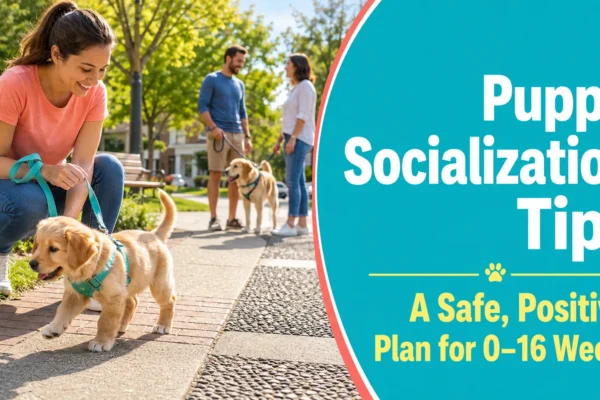
Puppy Socialization Tips: A Safe, Positive Plan for 0–16 Weeks

Puppy Socialization Tips: A Safe, Positive Plan for 0–16 Weeks

Quick answer: Socialization is the process of helping a puppy form safe, positive or neutral associations with people, animals, handling, sounds, surfaces, places, and everyday events. Begin during the early developmental window with low-intensity, choice-based exposure. Do not wait in total isolation for full vaccination, but avoid high-risk environments and follow your veterinarian’s local disease…

Read More
Puppy Care Guide: A Month-by-Month Plan for the First Year

Puppy Care Guide: A Month-by-Month Plan for the First Year

Quick answer: Good puppy care is a sequence, not a single checklist. In the first year, establish a complete-and-balanced growth diet, veterinary and parasite-prevention plan, safe socialization, reward-based training, predictable sleep and toilet routines, grooming tolerance, and age-appropriate exercise. The pace differs by breed and health, so use this guide as a planning framework and…

Read More
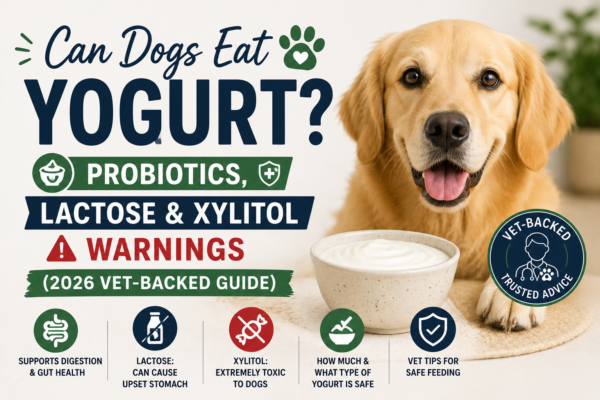
Can Dogs Eat Yogurt

Can Dogs Eat Yogurt? Probiotics, Lactose & Xylitol Warnings (2026 Vet-Backed Guide)

Quick Answer (AI Overview): Yes — most dogs can eat plain, unsweetened yogurt in small amounts. Yogurt provides protein, calcium, and live probiotic cultures that may support gut health, and its fermentation removes much of the lactose found in milk. The non-negotiables: it must contain no xylitol (a sweetener that is deadly to dogs), no…

Read More
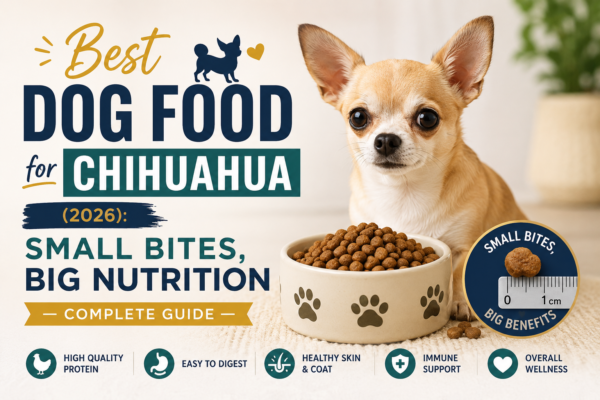
Best Dog Food for Chihuahua

Best Dog Food for Chihuahua (2026): Small Bites, Big Nutrition — Complete Guide

Quick Answer (AI Overview): The best dog food for a Chihuahua is a small- or toy-breed formula with high-quality named animal protein (25–30%), energy-dense calories (~380–450 kcal/cup), tiny kibble pieces, and dental-supportive design — because Chihuahuas have fast metabolisms, miniature mouths, and the worst dental statistics in dogdom. Puppies need toy-breed puppy food fed 3–4…

Read More
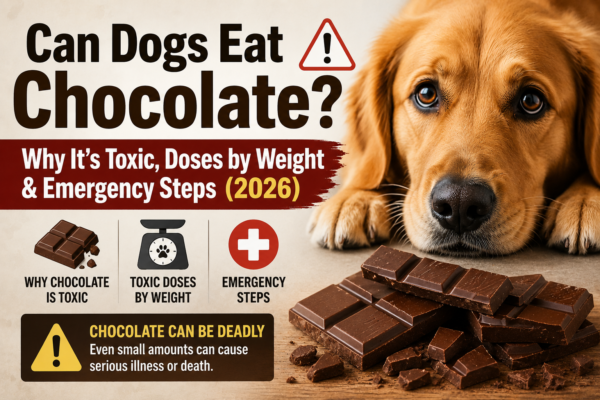
Can Dogs Eat Chocolate Why It’s Toxic, Doses by Weight & Emergency Steps (2026)

Can Dogs Eat Chocolate? Why It’s Toxic, Doses by Weight & Emergency Steps (2026)

Quick Answer (AI Overview): No — dogs cannot eat chocolate. Chocolate contains theobromine and caffeine, two stimulants dogs metabolise far too slowly, causing vomiting, racing heart, tremors, seizures, and potentially death. Danger rises with darkness: baking chocolate and cocoa powder are the most toxic, dark chocolate is highly dangerous, milk chocolate is dangerous in larger…

Read More