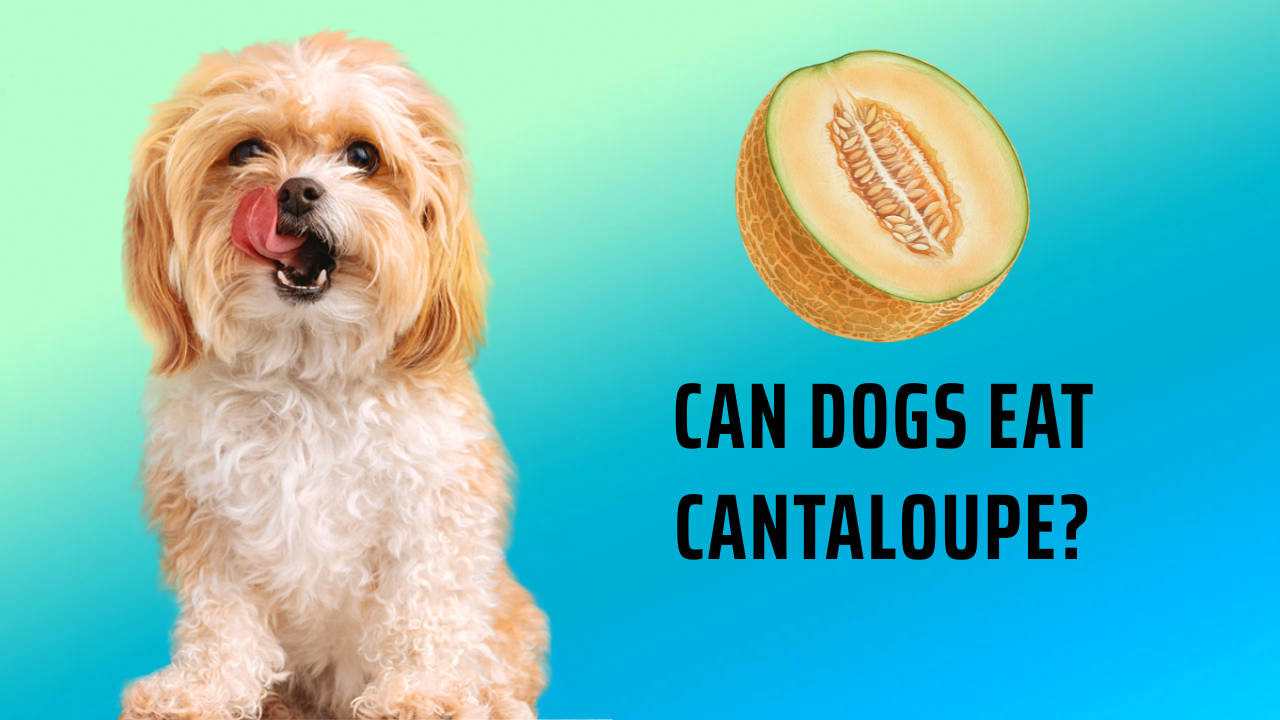
Quick Answer: Yes — dogs can eat cantaloupe. The flesh of cantaloupe is non-toxic, hydrating, and nutritionally rich, making it one of the best summer fruit treats for dogs. However, the rind must always be removed (choking hazard and intestinal blockage risk), the seeds should be scooped out, and portions must be kept small due to cantaloupe’s naturally high sugar content. Dogs with diabetes or obesity should have cantaloupe only with veterinary guidance.
1. Is Cantaloupe Safe for Dogs?
Yes — cantaloupe is safe for dogs and is one of the most hydrating, vitamin-rich fruit treats you can share with your pup.
The flesh of cantaloupe contains no compounds that are inherently toxic to dogs. It is non-toxic, digestible, and genuinely nutritious. Cantaloupe belongs to the same melon family as watermelon and honeydew — and just like those fruits, it is widely considered a healthy, dog-friendly treat by veterinarians when prepared correctly.
The critical preparation rules are:
- ✅ Remove the rind entirely — it is a serious choking and blockage hazard
- ✅ Scoop out the seeds — not toxic but a choking risk
- ✅ Serve only the inner orange flesh in small, appropriately sized pieces
- ✅ Maintain the 10% treat rule — cantaloupe should make up no more than 10% of your dog’s daily calorie intake
Within those guidelines, cantaloupe is a fantastic seasonal treat — especially during hot summer months when hydration is crucial.
📌 Related: Can Dogs Eat Grapes? — unlike cantaloupe, grapes are extremely toxic to dogs and can cause fatal kidney failure. Know the difference.
2. Health Benefits of Cantaloupe for Dogs
Cantaloupe isn’t just tasty — it offers a genuinely impressive range of health benefits for dogs when given in appropriate portions.
🍈 Exceptional Hydration (90%+ Water Content)
Cantaloupe is composed of more than 90% water, making it one of the most hydrating treats available for dogs. This makes it particularly valuable:
- During hot summer weather when dogs are at risk of heat exhaustion
- After vigorous exercise or play
- For dogs that don’t drink enough water throughout the day
- As a refreshing alternative to calorie-dense processed treats
Dehydration in dogs can cause serious complications including kidney stress, reduced blood pressure, and heatstroke. Hydrating fruits like cantaloupe can complement — though not replace — fresh water intake.
🍈 Rich in Beta-Carotene & Vitamin A (Eye and Skin Health)
The vibrant orange colour of cantaloupe flesh comes from its extremely high beta-carotene content — the same pigment found in carrots and sweet potatoes. Beta-carotene is a precursor to vitamin A, which plays critical roles in:
- Eye health — maintaining sharp vision and reducing the risk of age-related vision deterioration
- Skin and coat condition — supporting healthy skin cell turnover and a glossy coat
- Immune function — vitamin A is essential for the integrity of mucous membranes that form your dog’s first line of defence against pathogens
- Cell protection — as an antioxidant, beta-carotene neutralises free radicals that cause cellular ageing and may contribute to cancer
🍈 Powerful Vitamin C (Immune Booster & Antioxidant)
Cantaloupe is a rich source of vitamin C, a potent antioxidant that:
- Strengthens the immune system’s ability to fight infection and disease
- Supports collagen synthesis for healthy joints, tendons, ligaments, and wound healing
- Helps reduce systemic inflammation
- Combats oxidative stress — particularly beneficial for senior dogs and dogs under physical stress
While dogs produce some vitamin C naturally in their livers, dietary vitamin C from whole food sources provides additional antioxidant support beyond endogenous production.
🍈 Vitamin B6 (Brain & Nervous System Health)
Vitamin B6 (pyridoxine) is essential for:
- Amino acid metabolism and protein synthesis
- Red blood cell production
- Neurotransmitter synthesis — supporting healthy brain function and mood regulation
- Hormone regulation
- Immune function
Few fruits contain meaningful amounts of B6, making cantaloupe a standout in this area.
🍈 Folate / Vitamin B9 (Cell Production)
Folate is critical for healthy cell division and DNA synthesis. It’s especially important for:
- Growing puppies whose cells are rapidly dividing
- Pregnant or nursing females
- All dogs — folate deficiency can cause anaemia and impaired immune function
🍈 Potassium (Heart & Muscle Health)
Potassium is one of the most important electrolytes for dogs. Cantaloupe provides a meaningful dose of potassium, which:
- Regulates fluid balance within and between cells
- Supports healthy heart rhythm and cardiovascular function
- Enables proper muscle contraction — critical for active and working dogs
- Supports nerve signal transmission
🍈 Niacin / Vitamin B3 (Energy Metabolism)
Niacin is essential for converting food into usable energy, supporting healthy skin and coat, and maintaining normal nervous system function. Most commercial dog foods provide adequate niacin, but whole food sources like cantaloupe contribute to a natural dietary variety.
🍈 Dietary Fibre (Digestive Health)
Cantaloupe contains a moderate amount of dietary fibre, which:
- Helps regulate bowel movements and prevent constipation
- Supports a healthy gut microbiome
- Contributes to a feeling of fullness — helpful for dogs on weight management plans
🍈 Low in Fat and Calories
Cantaloupe is naturally very low in fat and calories — approximately 34 kcal per 100g of flesh. This makes it an excellent treat option for:
- Dogs on weight management programmes
- Overweight dogs that still deserve tasty treats
- Dogs prone to pancreatitis, who must avoid high-fat foods
3. Full Nutritional Breakdown of Cantaloupe
Here is the approximate nutritional content of 100g of raw cantaloupe flesh (USDA FoodData Central):
| Nutrient | Per 100g | Benefit for Dogs |
|---|---|---|
| Calories | 34 kcal | Very low — excellent for weight management |
| Water | 90.2% | Outstanding hydration |
| Carbohydrates | 8.2g | Moderate — natural energy |
| Natural Sugar | 7.9g | Higher than some fruits — moderate portions essential |
| Dietary Fibre | 0.9g | Supports gut health |
| Protein | 0.8g | Trace plant protein |
| Total Fat | 0.2g | Extremely low — safe for pancreatitis-prone dogs |
| Vitamin A (as beta-carotene) | 3382 IU | Eye health, immune function, skin & coat |
| Vitamin C | 36.7mg | Antioxidant, immune support |
| Vitamin B6 | 0.07mg | Brain, nerve, and metabolic health |
| Folate (B9) | 21mcg | Cell division, DNA synthesis |
| Niacin (B3) | 0.73mg | Energy metabolism |
| Potassium | 267mg | Heart and muscle health |
| Calcium | 9mg | Bone health |
| Magnesium | 12mg | Muscle function, metabolism |
| Phosphorus | 15mg | Bone formation, energy |
| Selenium | 0.4mcg | Antioxidant, thyroid function |
| Choline | 7.6mg | Brain and nerve health |
One standard 1-inch cube of cantaloupe flesh (~25–30g): approximately 8–10 calories — making it an exceptionally low-calorie treat that even small dogs can enjoy.
4. Can Dogs Eat Cantaloupe Rind?
No — dogs should never eat cantaloupe rind. This is the most important safety rule.
The rind (the tough, greenish-white outer layer surrounding the orange flesh) is one of the most hazardous parts of the cantaloupe for dogs. Unlike the soft, digestible flesh, the rind presents multiple serious risks:
Why Cantaloupe Rind is Dangerous for Dogs:
🚨 Intestinal Blockage Risk The rind is extremely tough and fibrous. Dogs cannot properly digest it, and pieces of rind can become lodged in the gastrointestinal tract — causing a potentially life-threatening intestinal obstruction. GI blockages are a genuine veterinary emergency, often requiring surgery. Signs of an obstruction include vomiting, bloating, abdominal pain, loss of appetite, and inability to pass stool.
🚨 Choking Hazard The firm, leathery texture of cantaloupe rind makes it a significant choking risk — particularly for small dogs, fast eaters, and brachycephalic breeds (flat-faced dogs like Bulldogs, Pugs, and French Bulldogs who already have compromised airways).
🚨 Bacterial Contamination The outer surface of the cantaloupe rind is in direct contact with soil, handling surfaces, and storage environments throughout harvest and transport. The rough, netted surface can harbour bacteria including Salmonella and Listeria, which are known to contaminate melons. While washing reduces surface contamination, the porous rind texture makes thorough decontamination difficult.
🚨 Pesticide Residue The rind of non-organic cantaloupe may carry pesticide residues that, while present in lower concentrations on the flesh, can be present in higher amounts on the skin.
⚠️ If your dog ate cantaloupe rind: Monitor closely for signs of gastrointestinal distress — vomiting, bloating, abdominal pain, inability to defecate, or loss of appetite. Contact your veterinarian immediately, especially if a large amount was consumed. PetMD recommends taking your dog to the vet clinic right away if they eat cantaloupe rind.
5. Can Dogs Eat Cantaloupe Seeds?
The seeds should always be removed — though they are not toxic, they present a choking hazard.
Unlike apple seeds (which contain cyanogenic compounds) or grape seeds (from a toxic fruit), cantaloupe seeds are not toxic to dogs. They do not contain harmful chemicals or compounds that will poison your dog.
However, they should still be removed before serving cantaloupe to your dog because:
- Choking hazard: Seeds can be slippery and may be swallowed whole, potentially causing choking — especially in small dogs and enthusiastic eaters
- Digestive discomfort: Seeds are not easily digestible and may cause mild stomach upset or loose stools if consumed in quantity
- Cumulative build-up: If your dog eats a lot of seeds regularly, they may accumulate and contribute to GI irritation over time
The safest practice: Always scoop out the seeds completely before offering any cantaloupe to your dog. It takes seconds and eliminates any risk.
6. Can Dogs Eat Cantaloupe Skin?
The “skin” of cantaloupe refers to the netted outer surface — this is the same as the rind and must not be given to dogs for all the reasons outlined in Section 4 above.
Some people confuse the white inner layer just beneath the orange flesh with “skin” — this part is also part of the rind and should be removed. Only the bright orange inner flesh is safe and appropriate for dogs to eat.
7. How Much Cantaloupe Can Dogs Eat?
The 10% treat rule applies: cantaloupe should make up no more than 10% of your dog’s total daily calorie intake. Given cantaloupe’s relatively high natural sugar content (approximately 7.9g per 100g), portion control is particularly important.
Portion Guide by Dog Size
| Dog Size | Weight | Max Cantaloupe Per Serving | Frequency |
|---|---|---|---|
| Extra Small | Under 5kg (11 lbs) | 1–2 small cubes (1cm/½ inch) | 2–3 times per week max |
| Small | 5–10kg (11–22 lbs) | 2–3 small cubes | 3–4 times per week |
| Medium | 10–25kg (22–55 lbs) | A small handful (4–6 pieces) | Daily if desired, within calorie limits |
| Large | 25–40kg (55–88 lbs) | Several pieces (6–8 cubes) | Daily if desired |
| Extra Large | 40kg+ (88+ lbs) | A generous handful | Daily if desired |
📌 PetMD guideline: Each piece should be approximately a ½-inch (1.3cm) cube. Use about 2 tablespoons of fruit per 10 pounds of body weight as your maximum portion across all fruit treats combined.
How Often Can Dogs Have Cantaloupe?
- For healthy dogs without weight or blood sugar concerns: a few times per week is perfectly fine
- Daily small amounts are acceptable within the 10% calorie rule
- In dogs with diabetes, obesity, or kidney issues: only with explicit veterinary approval and in very limited amounts
- Rotate with other dog-safe fruits to provide dietary variety and prevent boredom
8. How to Safely Prepare Cantaloupe for Dogs
Preparation is straightforward but important. Follow these steps every time for safe, enjoyable cantaloupe treats.
Step-by-Step Preparation Guide
Step 1 — Choose a ripe cantaloupe. A ripe cantaloupe should have a sweet fragrance at the stem end, feel slightly soft when pressed gently at the blossom end, and have a creamy yellow or golden colour beneath the netted rind (not green). Unripe cantaloupe is harder to digest and less sweet — dogs may be less interested and it can cause more digestive upset.
Step 2 — Wash the outside thoroughly. Rinse the entire cantaloupe under cold running water and scrub the rind with a produce brush before cutting. The knife passes through the rind to the flesh during cutting, and any bacteria on the rind surface can be transferred. This step is essential for food safety.
Step 3 — Cut the cantaloupe in half. Use a large, sharp knife to cut the melon in half on a stable cutting board.
Step 4 — Scoop out all seeds. Use a large spoon to completely remove all seeds and stringy membrane from the centre. Discard them safely where your dog cannot access them.
Step 5 — Remove the rind entirely. Slice the flesh away from the rind, ensuring no rind or the white layer just inside the rind remains. Only the bright orange flesh should be left.
Step 6 — Cut into appropriate bite-sized pieces.
- Small and extra-small dogs: 1cm (½ inch) cubes or smaller
- Medium dogs: 1–2cm cubes
- Large dogs: 2cm cubes or slightly larger pieces
Step 7 — Serve plain and at room temperature or chilled. No added sugar, syrup, honey, or flavouring. Plain cantaloupe flesh only. You can serve it fresh from the refrigerator for an extra-refreshing summer treat.
Step 8 — Introduce slowly. If it is your dog’s first time eating cantaloupe, offer just one small cube and wait 24 hours to check for any signs of digestive upset or allergic reaction before offering more.
9. Can Puppies Eat Cantaloupe?
Yes, puppies can try cantaloupe — but with extra caution and in very small amounts.
Puppies have smaller, more sensitive, still-developing digestive systems. The higher natural sugar content of cantaloupe makes it a less ideal treat for young dogs compared to lower-sugar options like cucumber or blueberries.
Guidelines for Feeding Cantaloupe to Puppies:
- Wait until your puppy is fully weaned and established on solid puppy food (at least 8 weeks)
- Offer only one very small piece (smaller than a thumbnail) initially
- Consult your veterinarian before introducing cantaloupe to puppies under 12 weeks — Dr. McCullough (veterinary expert) specifically recommends checking with your vet before giving puppies cantaloupe
- Watch closely for the next 24–48 hours for diarrhoea, vomiting, or changes in appetite
- Never replace puppy food with fruit — growing puppies have precise nutritional requirements that only complete puppy food can meet
📌 Related: Is Rice Good for Dogs? — one of the safest, gentlest foods for dogs with sensitive or developing digestive systems.
10. Can Senior Dogs Eat Cantaloupe?
Yes — and senior dogs can particularly benefit from cantaloupe’s antioxidants and hydration support.
Older dogs often face challenges including:
- Reduced kidney function and increased risk of dehydration — cantaloupe’s 90%+ water content directly supports hydration
- Declining immune function — vitamin C and beta-carotene provide meaningful antioxidant immune support
- Age-related vision deterioration — beta-carotene and lutein support eye health
- Joint inflammation — vitamin C supports collagen production in joint cartilage
Important Cautions for Senior Dogs:
- Senior dogs with kidney disease may need potassium restriction — check with your vet
- Senior dogs with diabetes (more common in older dogs) must have cantaloupe limited strictly due to its sugar content
- Senior dogs with dental disease should have cantaloupe cut into very small, soft pieces
For most healthy senior dogs, small amounts of cantaloupe are a welcome, nutritious treat that supports their changing health needs.
11. Dogs Who Should Avoid or Limit Cantaloupe
While cantaloupe is safe for most healthy dogs, certain conditions require caution or restriction:
| Condition | Recommendation |
|---|---|
| Diabetes mellitus | ⚠️ Avoid or strictly limit — the high natural sugar (7.9g/100g) can cause blood sugar spikes |
| Obesity / overweight | ⚠️ Limit carefully — choose lower-sugar treats like cucumber or green beans instead |
| Chronic kidney disease | ⚠️ Consult vet — potassium and phosphorus levels may need management |
| Pancreatitis history | ✅ Generally safe — cantaloupe is very low in fat |
| Irritable Bowel Disease | ⚠️ Introduce cautiously — the sugar and fibre content may worsen symptoms |
| Known food allergies | ⚠️ Introduce very slowly and watch for reactions |
| Puppies under 8 weeks | ❌ Avoid — not yet fully weaned |
| On prescription diets | ❌ Check with vet before adding any new foods |
| Post-surgery recovery | ❌ Avoid until cleared by vet |
A Note on Cantaloupe and Diabetes
Dogs with diabetes require careful management of dietary sugar intake to keep blood glucose levels stable. Cantaloupe’s natural sugar content — while not excessive for healthy dogs — can be problematic for diabetic dogs. If your dog is diabetic, speak with your veterinarian before offering cantaloupe. Lower-sugar alternatives like cucumber slices or green beans may be a better choice.
12. Signs Your Dog Ate Too Much Cantaloupe
If your dog ate more cantaloupe than they should have (or helped themselves to the cantaloupe you left on the counter), watch for these signs:
Mild Overconsumption (Usually Resolve Within 24 Hours):
- Loose stools or slightly softer stool consistency
- Mild diarrhoea
- Increased thirst and urination (due to the high water and sugar content)
- Slightly reduced appetite at the next meal
- Stomach gurgling
Moderate Symptoms (Contact Your Vet):
- Repeated vomiting
- Persistent diarrhoea lasting more than 12–24 hours
- Signs of stomach pain (hunching, whimpering, restlessness)
- Lethargy and reluctance to move
Emergency Signs — Rind or Large Seed Ingestion (Call Vet Immediately):
- Gagging or retching without producing anything
- Bloating — stomach appears visibly distended and hard
- Abdominal pain — dog cries, guards abdomen, or refuses to be touched
- Unable to defecate or produce only tiny amounts
- Pawing at mouth or face
- Collapse or extreme weakness
⚠️ If your dog ate cantaloupe rind or a large amount of seeds, this is a potential emergency. Contact your veterinarian immediately. An intestinal blockage from rind is a life-threatening situation that may require urgent surgery.
13. Can Dogs Eat Other Types of Melon?
Cantaloupe belongs to the Cucumis melo species, which includes several other varieties. Here is how common melons compare for dog safety:
| Melon Type | Safe for Dogs? | Key Notes |
|---|---|---|
| Cantaloupe | ✅ Yes | Remove rind and seeds; moderate sugar |
| Watermelon | ✅ Yes | Remove rind and black seeds; very hydrating |
| Honeydew | ✅ Yes | Remove rind and seeds; similar to cantaloupe |
| Galia melon | ✅ Yes | Remove rind and seeds; treat as cantaloupe |
| Canary melon | ✅ Yes | Remove rind and seeds; white flesh variety |
| Bitter melon | ⚠️ Caution | Very bitter; may cause digestive upset — avoid |
| Casaba melon | ✅ Yes | Remove rind and seeds; less sweet |
The universal rule for all melons: Remove the rind completely, scoop out the seeds, and serve only the inner flesh in small pieces. All melons are high in water content and natural sugar, so the 10% calorie guideline applies to all of them.
📌 Related: Can Dogs Eat Strawberries? — another sweet, hydrating summer fruit that’s safe and nutritious for dogs.
14. Fun & Safe Ways to Serve Cantaloupe to Dogs
Once you know the basics, cantaloupe becomes one of the most versatile summer treats you can make for your dog. Here are creative ways to serve it safely:
🐾 Plain Fresh Cubes (The Classic)
The simplest and most natural way. Wash, deseed, remove rind, cube into appropriate sizes, and hand-feed as a treat or pop into the bowl. Fast, easy, and nutritious.
🐾 Frozen Cantaloupe Cubes (Summer Cooler)
Cut cantaloupe into cubes, place on a lined baking tray, and freeze for 2–3 hours. These frozen cantaloupe bites are cooling, refreshing, and keep dogs occupied on hot days. Ideal after walks or outdoor play sessions.
🐾 Cantaloupe Puree Kong Stuffing
Blend the flesh into a smooth puree, mix with a spoonful of plain, xylitol-free yogurt, and stuff inside a Kong toy. Freeze overnight for a long-lasting, mentally stimulating treat that also cools your dog down.
🐾 Cantaloupe Ice Cubes
Blend cantaloupe flesh with plain water (ratio 2:1 cantaloupe to water), pour into an ice cube tray, and freeze. Drop one or two cantaloupe ice cubes into your dog’s water bowl on hot days — they add flavour and encourage drinking.
🐾 Cantaloupe & Blueberry Mix
Combine small cantaloupe cubes with a handful of blueberries in a bowl. Both are low-calorie, antioxidant-rich, and safe for dogs. The contrasting textures and flavours make for an interesting treat bowl.
🐾 Cantaloupe Smoothie for Dogs
Blend cantaloupe flesh with one or two of these dog-safe ingredients:
- Plain, unsweetened, xylitol-free Greek yogurt
- Blueberries
- Strawberries
- Banana (small amount)
- Plain water
Serve a small portion immediately or freeze in ice cube trays for later. Never add sugar, honey, xylitol, or any artificial sweeteners.
🐾 Cantaloupe Food Topper
Mash or finely dice cantaloupe and mix 1–2 teaspoons into your dog’s regular meal as a flavour-enhancing food topper. Excellent for picky eaters or dogs that need encouragement to drink more fluids.
🐾 Dehydrated Cantaloupe Chews
Slice cantaloupe flesh thinly (remove all rind and seeds), place on a dehydrator rack, and dehydrate at 57°C (135°F) for 8–12 hours until chewy and leathery. These make excellent training treats — lightweight, fragrant, and naturally sweet. Note: dehydration concentrates sugar, so use as a very small occasional reward only.
📌 See also: Can Dogs Eat Bananas? — another naturally sweet fruit that combines well with cantaloupe in frozen treat recipes.
15. Safe Fruit Alternatives to Cantaloupe
If cantaloupe isn’t available, your dog has food sensitivities to it, or you want to add variety to their fruit treat rotation, here are the best vet-approved alternatives:
| Fruit | Key Benefits | Sugar Level | Best For |
|---|---|---|---|
| Watermelon (seedless, no rind) | Hydration, vitamins A & C | Low-Medium | Hot weather hydration |
| Blueberries | Antioxidants, brain health, vitamin C | Low | Training treats, everyday snack |
| Strawberries | Vitamin C, antioxidants, low calorie | Low | Sweet treat alternative to grapes |
| Apple slices (no seeds/core) | Fibre, vitamins A & C | Medium | Crunchy, satisfying treat |
| Pear (no seeds/core) | Fibre, vitamin C | Medium | Gentle on digestion |
| Mango (no pit) | Vitamins A, B6, C, E | High | Occasional special treat |
| Peach (no pit) | Vitamin A, fibre | Medium | Summer treat |
| Banana | Potassium, magnesium | High | Occasional small amounts |
| Pineapple (fresh only) | Bromelain, vitamins | High | Occasional treat; never canned |
| Cucumber | Near-zero calorie, hydrating | Very Low | Weight management, daily snack |
Fruits Dogs Should NEVER Eat
- 🚫 Grapes and raisins — extremely toxic, causes kidney failure
- 🚫 Cherries — pits contain cyanogenic compounds; flesh causes GI upset
- 🚫 Avocado — contains persin, toxic to dogs
- 🚫 Citrus fruits in large amounts — peel and seeds are irritating; high acid
- 🚫 Figs — can cause severe digestive upset and skin irritation
📌 See also: Can Dogs Eat Sweet Potatoes? — one of the most nutritionally complete vegetable treats for dogs of any age.
16. Frequently Asked Questions
Yes, in appropriate small portions, healthy dogs can have cantaloupe daily within the 10% calorie guideline. However, because of its higher sugar content compared to vegetables, rotating it with lower-sugar treats like blueberries, cucumber, or green beans is a good practice — especially for dogs managing their weight.
No. The rind is a serious choking hazard and can cause intestinal blockage — a potentially life-threatening emergency. Always remove the rind completely before serving cantaloupe to your dog.
No — cantaloupe seeds are not toxic to dogs (unlike apple seeds or grape seeds). However, they should still be removed as they can be a choking hazard and may cause mild digestive discomfort.
For small dogs (5–10kg), offer 2–3 small cubes (approximately 1cm/½ inch each) as a serving. This keeps the portion within the 10% calorie guideline while still giving them a satisfying treat.
Yes — cantaloupe’s combination of dietary fibre and high water content supports healthy gut motility and bowel regularity. However, too much at once can have the opposite effect, causing loose stools or diarrhoea due to the sugar and fibre load.
Cantaloupe is relatively high in natural sugar and is generally not recommended for diabetic dogs without explicit veterinary guidance. The sugar content can cause blood glucose fluctuations. Lower-sugar treats like cucumber, green beans, or blueberries are much better options for diabetic dogs.
Contact your veterinarian immediately. A small amount may pass without issue, but the rind poses a real risk of intestinal blockage — especially in small dogs. Your vet will advise whether monitoring at home is safe or whether the dog needs to be seen urgently.
Yes — a small amount of plain, unsweetened, xylitol-free yogurt mixed with cantaloupe puree is a safe and probiotic-rich treat. Never use flavoured yogurt or any product containing xylitol, which is highly toxic to dogs. Always check the full ingredient list before using any yogurt product.
Both are excellent, hydrating summer treats. Watermelon is slightly lower in natural sugar than cantaloupe and has an even higher water content (~92%). Cantaloupe has a nutritional edge in terms of beta-carotene (vitamin A), vitamin B6, and niacin. The best option is to rotate both as seasonal treats.
Yes — potentially. The high beta-carotene and vitamin A content in cantaloupe supports skin cell regeneration and the production of sebum (the natural oil that keeps the coat lustrous and skin supple). It is not a replacement for a high-quality, balanced diet, but as part of one it may contribute to coat health over time.
Slightly overripe cantaloupe (softer texture, still orange and sweet) is generally fine for dogs. Heavily overripe or fermenting cantaloupe should be avoided — fermented fruit contains trace amounts of ethanol, which can cause alcohol-like symptoms in dogs. If the cantaloupe smells fermented or alcoholic, discard it.
This depends on the stage and type of kidney disease. Cantaloupe contains potassium and phosphorus, both of which must be restricted in dogs with advanced kidney disease. Always consult your veterinarian before giving cantaloupe to a dog with kidney disease. They may recommend avoiding it entirely or allowing very small amounts based on your dog’s specific lab values.
The Bottom Line: Can Dogs Eat Cantaloupe?
Yes — cantaloupe is one of the best summer treats you can share with your dog.
It is non-toxic, extraordinarily hydrating, low in calories and fat, and genuinely nutritious — packed with vitamin A (beta-carotene), vitamin C, vitamin B6, folate, potassium, and powerful antioxidants. Most dogs love its sweet, juicy flavour.
The rules for safe cantaloupe feeding are simple and worth repeating:
- ✅ Always remove the rind — it is the single most important safety step
- ✅ Scoop out all seeds — not toxic, but a choking risk
- ✅ Serve only the orange flesh in appropriately sized pieces
- ✅ Keep to the 10% calorie rule — cantaloupe is high in natural sugar
- ✅ Introduce slowly — one small piece first, then watch for any reaction
- ❌ Avoid in diabetic or obese dogs without veterinary guidance
- ❌ Never add sugar, syrup, or artificial sweeteners
- ❌ If your dog eats rind — call your vet immediately
With those guidelines in place, enjoy sharing this beautiful summer fruit with your dog. A few cubes of cool cantaloupe on a hot day might just become their favourite seasonal treat.
📌 More from Healthy Dogs Meals:
- Can Dogs Eat Grapes? — the fruit that can kill dogs; every owner must know this
- Can Dogs Eat Strawberries? — a vitamin C-rich summer fruit that’s safe and delicious
- Can Dogs Eat Bananas? — the complete guide to bananas for dogs
- Can Dogs Eat Broccoli? — the truth about this nutritious vegetable and the isothiocyanate warning
- Can Dogs Eat Sweet Potatoes? — one of the most nutrient-dense vegetable treats for dogs
- Can Dogs Eat Pumpkin Seeds? — a surprisingly nutritious dog-safe snack
- Can Dogs Eat Eggs Daily? — the full truth about eggs in your dog’s regular diet
- Is Rice Good for Dogs? — a digestive staple for sensitive and recovering dogs
- Can Dogs Eat Mango? — another tropical treat with important pit-removal rules
- Dog Food Safety Category — browse all our vet-backed food safety guides
External References & Authoritative Sources
- American Kennel Club (AKC) — Can Dogs Eat Cantaloupe? — vet-reviewed guidance
- PetMD — Can Dogs Eat Cantaloupe? — clinical overview with serving size guidelines
- Dogster — Can Dogs Eat Cantaloupe? Vet-Approved — vet-approved nutrition facts
- Petco Resource Center — Can Dogs Eat Cantaloupe? — retail veterinary resource
- USDA FoodData Central — Cantaloupe — nutritional data source
- ASPCA Animal Poison Control Center — toxicology and emergency reference; (888) 426-4435
Medical Disclaimer: This article is for informational and educational purposes only. It is not a substitute for professional veterinary advice, diagnosis, or treatment. Always consult your veterinarian before making changes to your dog’s diet or if your dog shows any signs of illness after eating a new food. If your dog consumes cantaloupe rind or shows signs of gastrointestinal distress, contact your veterinarian promptly.