Best Affordable Dog Food in Australia: A Value Guide

Best Affordable Dog Food in Australia: A Value Guide

The best affordable dog food in Australia balances cost with high-quality, named proteins while strictly adhering to AAFCO nutritional standards. Top value-for-money brands like Purina Supercoat (True Origin), Black Hawk, and Petzyo offer complete and balanced nutrition without the premium price tag of therapeutic or air-dried diets. Quick Facts: Finding Value in Australian Dog Food…

Read More
Australian Dog Foods

Australian Dog Foods (And My Best Recommendations!)

The best Australian dog food brands focus on locally sourced, high-quality proteins like kangaroo and lamb while meeting strict AAFCO and AS5812 standards. Top-rated options such as Black Hawk, Petzyo, and SavourLife are highly recommended for their transparent ingredient lists, exclusion of artificial fillers, and commitment to canine health through balanced nutrition. Quick Facts: Australian…

Read More
What’s the Best Puppy Food in Australia?

What’s the Best Puppy Food in Australia?

The best puppy food in Australia is a nutrient-dense formula that meets AAFCO standards for “growth and reproduction,” specifically balanced with the correct calcium-to-phosphorus ratio for skeletal development. Top-rated options like Hill’s Science Diet, Royal Canin, and Black Hawk are highly recommended for their high-quality proteins, DHA for brain health, and breed-specific kibble sizes. Quick…

Read More
How to Improve Your Dog’s Gut Health Naturally

How to Improve Your Dog’s Gut Health Naturally

To improve your dog’s gut health naturally, focus on a balanced diet rich in probiotics, prebiotics, and high-quality fiber. Incorporating fresh foods like plain pumpkin, steamed vegetables, and fermented goat milk helps balance the microbiome, enhances nutrient absorption, and strengthens the immune system for better digestive health. Quick Facts: Dog Gut Health Introduction: The Secret…

Read More
Foods That Are Toxic for Dogs: Complete Safety List

Foods That Are Toxic for Dogs: Complete Safety List

Toxic foods for dogs include chocolate, grapes, raisins, onions, garlic, macadamia nuts, and the sweetener xylitol (birch sugar). These items can cause severe health issues ranging from digestive upset to organ failure. Keeping a dog food safety list is essential to prevent accidental poisoning from common human household staples. Quick Facts: Dog Food Safety Introduction:…

Read More
Rotational Diet Plan for Dogs

Rotational Diet Plan for Dogs

A rotational diet plan for dogs is a feeding strategy that involves periodically changing a dog’s primary protein sources, vegetable mixers, and food formats. By switching between different high-quality ingredients every few weeks or months, owners can provide a broader spectrum of amino acids, prevent food boredom, and support a more resilient digestive system. Quick…

Read More
Puppy Feeding Schedule Guide

Puppy Feeding Schedule Guide

A puppy feeding schedule guide helps owners establish a consistent routine for providing essential nutrients during rapid growth stages. Most puppies require three to four small, nutrient-dense meals daily between ages 8 weeks and 6 months to support developing bones, muscles, and cognitive function while maintaining stable blood sugar levels. Quick Facts: Puppy Feeding Chart…

Read More
Seasonal Meal Adjustments for Dogs

Seasonal Meal Adjustments for Dogs

Seasonal meal adjustments for dogs involve modifying a dog’s caloric intake, hydration levels, and nutrient ratios to match changes in temperature and activity. In winter, active dogs may require more calories for warmth, while summer adjustments prioritize high-moisture foods and cooling ingredients to prevent dehydration and heat-related stress. Quick Facts: Seasonal Dog Feeding Tips As…

Read More
Senior Dog Meal Planning Guide: Complete Vet-Backed Nutrition Plan for Aging Dogs (2026)

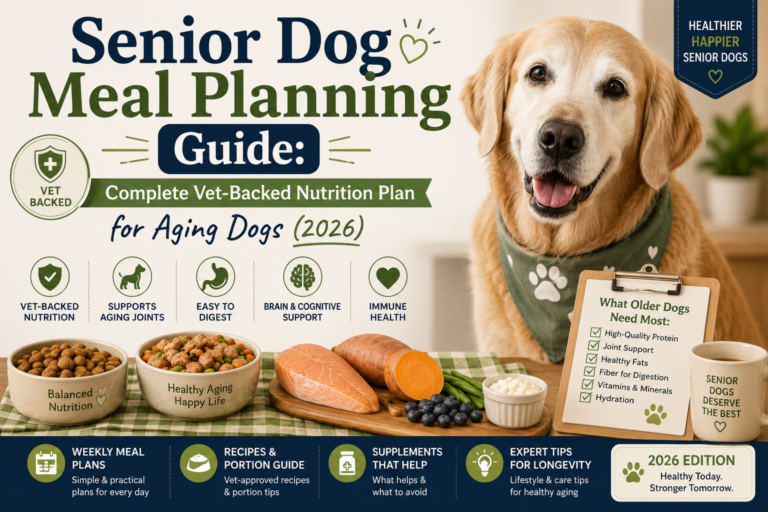
Senior Dog Meal Planning Guide: Complete Vet-Backed Nutrition Plan for Aging Dogs (2026)

Quick Answer: Senior dogs need high-quality, easily digestible protein (minimum 25–28% of calories), reduced overall calories (15–25% less than adult peak), increased omega-3 fatty acids, controlled phosphorus, more fibre, and consistent hydration. Meal frequency should be 2–3 smaller meals per day. The single biggest mistake owners make is feeding less protein — healthy senior dogs…

Read More
How to Create a Balanced Dog Meal Plan

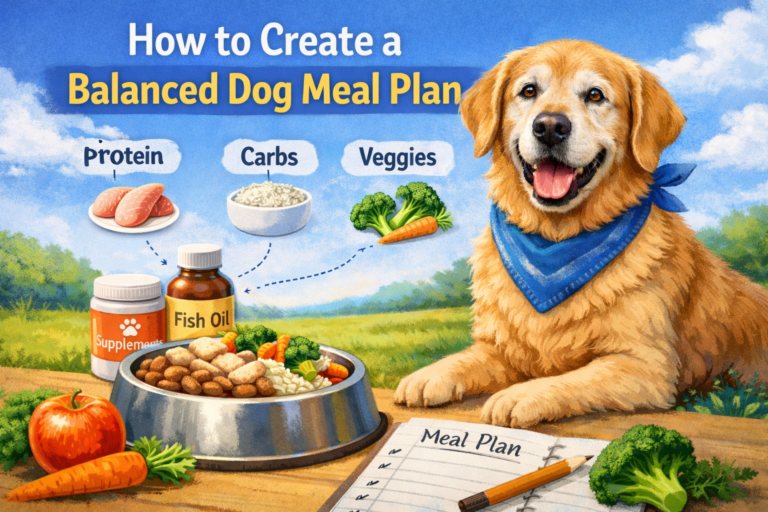
How to Create a Balanced Dog Meal Plan

To create a balanced dog meal plan, you must combine high-quality animal proteins, healthy fats, and digestible carbohydrates with specific vitamins and minerals. A complete plan requires a precise ratio—typically 50-70% protein—to ensure your dog receives the essential amino acids and micronutrients needed for long-term health and energy. Quick Facts: Homemade Dog Nutrition Every dog…

Read More