Beyond the Bath: Why Regular Grooming Matters More Than Most Dog Owners Realize
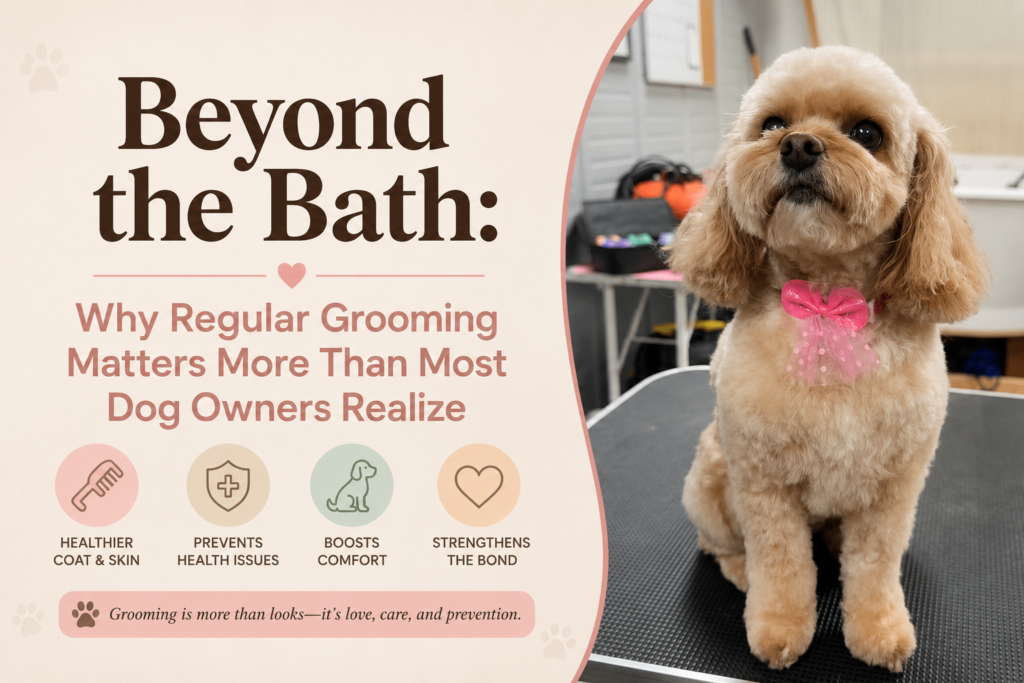
Most people think dog grooming is only about appearance. A clean coat, trimmed nails, and a dog that smells fresh definitely feels good, but grooming is about much more than looks or smell alone.
After years of working closely with dogs, one thing becomes obvious pretty quickly: regular grooming can reveal health problems owners may not notice at home. Things like ear infections, painful matting, inflamed paws, brittle nails, skin irritation, hot spots, and unusual lumps often show up during grooming appointments long before they become serious.
That is one reason regular grooming matters so much. It is not just maintenance. It is part of keeping dogs comfortable, healthy, and active throughout their lives.
Over the years, my company, GRŪM Pet Salon and Spa has earned a reputation as one of the most trusted Bainbridge Island dog groomers by focusing on comfort, coat health, and overall wellness, not just appearance.
Groomers Notice Changes Owners Often Miss
One interesting thing about dogs is that gradual changes are easy to overlook when you see them every day.
- A coat slowly becoming thinner
- Nails getting longer over time
- Redness inside the ears
- Dry or irritated skin developing gradually
Because groomers usually see dogs every few weeks rather than every day, those changes often stand out more clearly to us.
There have been plenty of times during appointments when I have mentioned something simple to an owner, like:
- “His skin seems much more irritated than last visit.”
- “I noticed a small lump near her shoulder.”
- “Her ears seem more inflamed than usual.”
Sometimes it ends up being minor. But other times, it leads to a veterinary visit that catches a problem early. That extra set of eyes can make a real difference.
Matting Is More Than a Cosmetic Problem
Many owners underestimate how painful matting can become, especially in curly-coated or long-haired breeds.
Mats pull tightly against the skin whenever the dog moves. Over time, that tension can cause irritation, bruising, moisture buildup, and even open sores hidden underneath the fur.
I have worked with dogs whose coats were so matted around the legs and stomach that they struggled to move comfortably. Once the mats were removed, there were raw areas underneath that the owners had never seen.
Breeds especially prone to matting include:
- Poodles
- Doodles
- Shih Tzus
- Cocker Spaniels
- Bichons
Regular brushing at home helps, but professional dog grooming prevents small tangles from turning into painful situations.
Nail Care Directly Affects Mobility
Nail trims are one of the most overlooked parts of dog care.
When nails become too long, dogs are forced to adjust how they stand and walk. Over time, this can affect posture, balance, and joint comfort.
This becomes especially noticeable in senior dogs.
I once groomed an older Labrador whose owner thought he was simply slowing down with age. His nails had become extremely long, and he was struggling to grip smooth floors properly. After getting him back onto a regular grooming schedule, the owner noticed he seemed much more comfortable moving around the house.
Overgrown nails can also:
- Crack or split
- Curl into paw pads
- Increase slipping
- Put stress on joints
Good grooming is not always about appearance. Sometimes it is about helping a dog move comfortably again.
Ear Problems Are Easy to Miss
Ear infections are another issue groomers commonly notice first.
Dogs with floppy ears or thick hair around the ear canal tend to trap moisture more easily, which can lead to irritation and infection.
During grooming appointments, we often spot:
- Redness
- Odor
- Wax buildup
- Inflammation
- Sensitivity
Many owners do not realize there is a problem until the dog starts scratching constantly or shaking its head frequently. According to the American Kennel Club, keeping ears clean and dry is an important part of preventing chronic ear issues in dogs.
Skin and Coat Changes Can Signal Larger Issues
Healthy coats usually feel soft, balanced, and resilient.
When something changes internally, the coat often changes too.
Some common warning signs include:
- Excessive shedding
- Dry skin
- Greasy fur
- Hair thinning
- Brittle coats
- Dull appearance
Sometimes the issue is allergies. Sometimes it is nutrition. Other times it may point toward underlying medical conditions.
I once worked with a Golden Retriever whose coat became progressively dry and thin over several months. After discussing nutrition changes with their veterinarian, the owner switched foods and added omega-3 supplements. Within a few months, the coat looked dramatically healthier.
The skin and coat often reflect what is happening inside the body.
Groomers Sometimes Find Hidden Problems
One reason regular dog grooming matters so much is simple: thick fur can hide a lot.
During grooming appointments, we sometimes discover:
- Fleas
- Ticks
- Skin infections
- Hot spots
- Lumps
- Irritated paw pads
- Embedded debris
Owners are often surprised because they genuinely could not see the issue at home.
Groomers do not diagnose medical problems, but regular appointments absolutely help spot physical changes earlier.
Paw Care Is Frequently Overlooked
People focus heavily on coats and often forget about paws.
Hair trapped between paw pads can collect dirt, moisture, salt, allergens, and debris. Over time, this may lead to irritation or discomfort.
Cracked paw pads are also common, especially during hot summers or cold winter months.
Routine grooming helps keep paws clean while allowing problems to be noticed early.
Grooming Also Helps Dogs Feel Better Emotionally
One thing owners notice all the time is how differently dogs act after grooming appointments.
Dogs that came in uncomfortable, itchy, matted, or anxious often leave acting more energetic and relaxed.
And honestly, that makes sense.
Imagine carrying around tight mats pulling at your skin or walking awkwardly because your nails hurt. Once those problems are relieved, many dogs simply feel better physically.
Owners often joke that their dog is “showing off” after grooming, but a lot of dogs are probably just relieved to feel comfortable again.
Common Health Issues Groomers Frequently Notice
~ Skin and Coat Concerns
- Hot spots
- Dry skin
- Fleas and ticks
- Hair thinning
- Allergic irritation
- Excessive shedding
~ Nail and Paw Problems
- Overgrown nails
- Cracked nails
- Inflamed paw pads
- Hair packed between paw pads
~ Ear Issues
- Redness
- Odor
- Wax buildup
- Inflammation
~ Physical Changes
- Lumps or bumps
- Areas of pain
- Changes in mobility
- Skin growths
Why Consistent Grooming Matters
One grooming appointment helps, but consistency is what really protects long-term health.
When groomers see dogs regularly, we become familiar with what is normal for them. That makes subtle changes easier to spot early.
Most dogs benefit from regular dog grooming every four to eight weeks depending on breed, coat type, and activity level.
Things Owners Can Do at Home:
Professional grooming works best alongside regular home care.
- Brush Regularly
Even short brushing sessions help prevent tangles and remove loose fur. - Check the Ears
Look for redness, odor, or excessive debris. - Watch the Nails
If nails click loudly on hard floors, they are usually too long.
- Check the Paws
Look for cracks, irritation, or trapped debris.
- Pay Attention to Coat Changes
Sudden shedding or texture changes can signal larger issues.
FAQs
Most dogs benefit from grooming every four to eight weeks, though coat type matters.
Yes. Short-haired dogs still need nail care, skin checks, ear cleaning, and regular bathing.
Absolutely. Severe matting pulls tightly against the skin and can become very painful.
Overgrown nails affect posture, balance, and mobility.
Groomers cannot diagnose conditions, but they often notice physical changes owners may not see at home.
Final Thoughts
A lot of people still think grooming is mainly cosmetic, but regular grooming plays a major role in a dog’s comfort and overall well-being, as well as potentially catching health issues before they become serious.
Routine appointments help dogs stay clean, mobile, and comfortable while also helping owners avoid more significant concerns.
And honestly, some of the happiest dogs are the ones that simply feel physically better after being properly cared for.
Selected Sources
American Kennel Club Grooming and Health Resources
https://www.akc.org/expert-advice/health/dog-grooming-tips/
Merck Veterinary Manual Dermatologic Disorders in Dogs
https://www.merckvetmanual.com/integumentary-system/dermatologic-disorders-of-dogs/overview-of-dermatologic-disorders-of-dogs
Tufts University Pet Nutrition and Wellness Articles
https://vetnutrition.tufts.edu/petfoodology/
Author: Elizabeth Maurer
Elizabeth Maurer is a highly experienced professional dog groomer and grooming operations leader with more than 30 years in the pet care industry. Renowned for her expertise in breed-standard and competitive grooming, she has trained and mentored more than 100 groomers throughout her career while leading high-performing salon teams and delivering exceptional animal care. As a business owner and salon manager, she combines hands-on grooming excellence with deep experience in staff development, client relations, and pet care operations.