
The best dog food for German Shepherd is a high-quality formula with real animal protein as the first ingredient, balanced fats, digestible carbohydrates, and joint-support nutrients. German Shepherds need strong muscle support, healthy digestion, and controlled growth. Choose AAFCO-compliant food designed for large breeds and age-specific needs.
Quick Facts About Feeding German Shepherds
- German Shepherds need high protein dog food to maintain lean muscle.
- Large-breed formulas help support healthy bone and joint development.
- Digestive sensitivity is common in this breed.
- Puppies require controlled calcium and phosphorus levels.
- Omega-3 fatty acids support skin and coat health.
- Avoid fillers like artificial colors and low-quality by-products.
- Always transition food gradually over 7–10 days.
German Shepherds are intelligent, active, and loyal dogs. They are also large, muscular, and prone to certain health sensitivities, especially digestive and joint issues. Because of their size and activity level, choosing the best dog food for German Shepherd is extremely important.
Not all dog foods are created equal. Some formulas work well for small breeds but may not provide the right nutrition for a powerful working dog like a German Shepherd.
In this guide from healthydogsmeals, you’ll learn:
- What nutrients German Shepherds truly need
- How to choose the right food for puppies and adults
- What ingredients to look for
- What to avoid
- Vet-informed feeding guidance
- Recommended product examples
Let’s start with understanding their nutritional needs.
What Is the Best Dog Food for German Shepherd?
The best dog food for German Shepherd is a complete and balanced large-breed formula that supports:
- Strong muscles
- Healthy joints
- Stable digestion
- Skin and coat health
- Controlled growth in puppies
Look for food that meets AAFCO standards and lists a real meat source (like chicken, lamb, beef, or salmon) as the first ingredient.
Why Is Proper Nutrition Important for German Shepherds?
German Shepherds are prone to:
- Hip and elbow stress
- Sensitive stomach
- Skin allergies
- Rapid growth issues (in puppies)
Proper nutrition helps:
- Maintain lean muscle mass
- Support healthy joint cartilage
- Improve digestion
- Reduce stomach upset
- Promote a shiny coat
Feeding the wrong type of food can lead to digestive discomfort, loose stools, or unhealthy weight gain.
Nutritional Breakdown: What Should Be in German Shepherd Food?
Here’s what to look for when choosing the best dry food for German Shepherd.
1️⃣ High-Quality Protein (22–30%)
Protein supports muscle strength and energy.
Best sources:
- Chicken
- Turkey
- Beef
- Lamb
- Salmon
Avoid unnamed “meat meal” without a specific source.
2️⃣ Healthy Fats (12–18%)
Fats provide energy and support skin health.
Look for:
- Chicken fat
- Fish oil
- Flaxseed
Omega-3 and Omega-6 fatty acids are important for coat shine and inflammation balance.
3️⃣ Digestible Carbohydrates
German Shepherds can have sensitive stomachs.
Better carb sources:
- Brown rice
- Oatmeal
- Sweet potatoes
- Barley
Avoid heavy fillers like corn gluten meal in large amounts.
4️⃣ Joint Support Nutrients
Large breeds need:
- Glucosamine
- Chondroitin
- Omega-3 fatty acids
These support cartilage health and mobility.
5️⃣ Controlled Calcium (For Puppies)
For German Shepherd puppy food, controlled calcium levels are critical to avoid rapid bone growth problems.
Always choose a formula labeled:
“Large Breed Puppy”
Ingredient Comparison Table
| Nutrient | Why It Matters | Ideal Source |
|---|---|---|
| Protein | Muscle support | Chicken, lamb, salmon |
| Fat | Energy & coat health | Fish oil, chicken fat |
| Fiber | Digestive balance | Beet pulp, pumpkin |
| Glucosamine | Joint support | Added supplement |
| DHA | Brain development (puppies) | Fish oil |
German Shepherd Puppy Food: What Makes It Different?
Puppies grow quickly. Too much calcium or calories can cause bone stress.
Look for:
- Large-breed puppy label
- 22–26% protein
- Controlled fat levels
- DHA for brain development
Puppies should eat 3–4 meals daily until about 6 months old.
Food for German Shepherd With Sensitive Stomach
Many German Shepherds experience:
- Loose stools
- Gas
- Food intolerance
Choose formulas with:
- Limited ingredients
- Single protein source
- Easily digestible carbs
- Added probiotics
Avoid sudden diet changes. Transition slowly over 7–10 days.
High Protein Dog Food for German Shepherd
Active or working German Shepherds need higher protein levels (26–30%).
Benefits of higher protein:
- Supports lean muscle
- Maintains energy
- Aids recovery after activity
However, extremely high-protein diets are not necessary for every dog. Choose based on activity level.
What Ingredients Should You Avoid?
Avoid foods with:
- Artificial preservatives (BHA, BHT)
- Artificial colors
- Excessive soy fillers
- Generic “animal by-product”
- Excessive corn as main ingredient
Low-quality ingredients may trigger digestive issues.
Are There Vet-Recommended Options?
Many veterinarians suggest:
- Large-breed formulas
- AAFCO-approved products
- Controlled mineral balance
- Digestibility-tested brands
Always consult your veterinarian before changing your dog’s diet, especially if your German Shepherd has health concerns.
Recommended Products
Below are examples of commonly trusted brands known for large-breed nutrition standards.
1️⃣ Royal Canin German Shepherd Adult
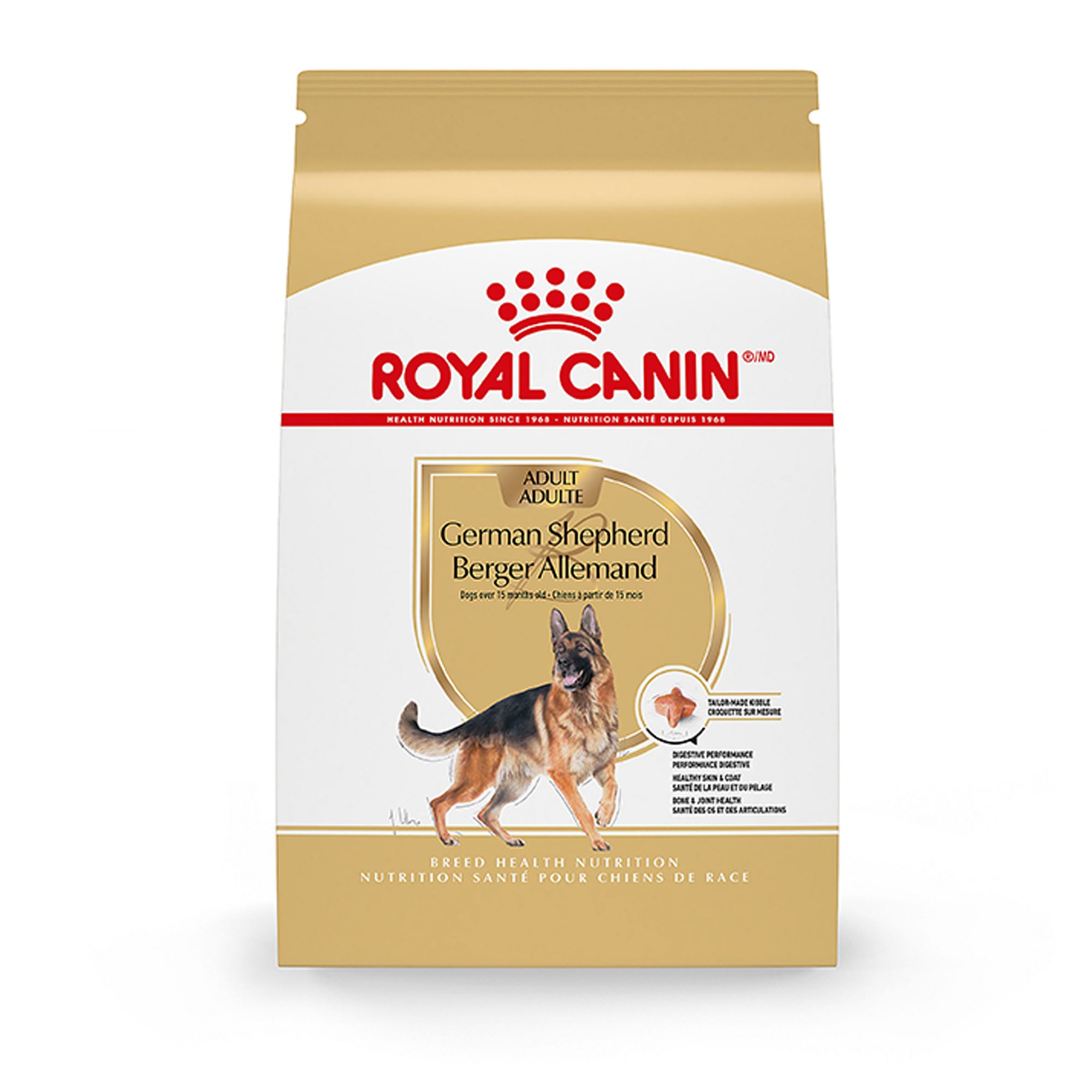
- Breed-specific formula
- Digestive support blend
- Supports skin and coat
2️⃣ Hill’s Science Diet Large Breed Adult

- Balanced protein levels
- Joint-support ingredients
- Easily digestible formula
3️⃣ Blue Buffalo Life Protection Large Breed

- Real meat first ingredient
- No artificial preservatives
- Added glucosamine
Affiliate Disclosure: This article may contain affiliate links. If you purchase through these links, we may earn a small commission at no extra cost to you.
Common Mistakes German Shepherd Owners Make
- Feeding small-breed formulas
- Overfeeding leading to obesity
- Switching food too quickly
- Ignoring joint-support nutrients
- Feeding excessive treats
Portion control is essential. Follow feeding guidelines based on weight and activity level.
Dry vs Wet Food Comparison
| Feature | Dry Food | Wet Food |
|---|---|---|
| Cost | More affordable | Higher cost |
| Dental Support | Helps reduce plaque | Less dental benefit |
| Storage | Easy | Must refrigerate |
| Moisture | Low | High |
Most owners choose high-quality dry food as the primary diet.
Safety Guidelines
- Introduce new food slowly (7–10 days).
- Measure portions carefully.
- Provide fresh water at all times.
- Monitor stool consistency.
- Avoid feeding table scraps regularly.
If your dog shows persistent digestive issues, consult a veterinary professional.
Frequently Asked Questions (FAQ)
Large-breed puppy food with controlled calcium and DHA is ideal.
Most adults eat 2–3 cups twice daily, depending on weight and activity.
Not always. Many dogs digest whole grains well unless they have specific sensitivities.
Chicken, lamb, beef, or salmon are excellent choices.
Yes, this breed commonly experiences digestive sensitivity.
Yes, when balanced properly and suited to activity level.
AAFCO-approved large-breed formulas with joint support are typically best.
Only if recommended by a veterinary professional.
Final Thoughts
Choosing the best dog food for German Shepherd means focusing on quality protein, digestive support, joint health, and balanced minerals. Every dog is different. Age, activity level, and sensitivity all matter.
A thoughtful feeding routine can help your German Shepherd stay active, strong, and healthy for years.
Medical Disclaimer:
This content is for informational purposes only and is not a substitute for professional veterinary advice, diagnosis, or treatment.