

If you’ve ever walked your dog during autumn, you may have noticed small apples scattered across the ground. These are known as crab apples (Malus sylvestris), an early form of the European apple. Compared to common apples like Honeycrisp or Granny Smith, crab apples are much smaller, noticeably sour, and far less popular for human consumption.
When dogs encounter these tiny fruits, curiosity often kicks in. It’s not unusual for a dog to sniff, pick up, or even try to eat one. This raises an important question for pet owners: are crab apples safe for dogs? While many people assume crab apples are poisonous, the truth is more nuanced. Although parts of the plant—especially the seeds—contain compounds linked to cyanide, small amounts of crab apple fruit generally pose little risk to dogs.
That said, this doesn’t mean dogs should freely eat crab apples whenever they find them. Below is what you should know before letting your dog snack on them.
Why Can Dogs Eat Crab Apples?
Crab apple seeds, stems, and leaves contain cyanogenic glycosides, particularly a compound called amygdalin, which can release hydrogen cyanide when digested. However, the quantity found in apple seeds is extremely low.
For cyanide toxicity to occur, a medium-sized dog would need to chew and consume approximately three ounces of apple seeds, which equals roughly 200 apples. This amount is highly unrealistic. Because of this, the fruit portion of crab apples is generally considered non-toxic to dogs.
Still, moderation matters. Like many human foods that aren’t made specifically for dogs, crab apples can irritate sensitive stomachs if eaten in excess. Dogs with easy access to fallen apples, leaves, or stems—especially in yards or parks—should be supervised.
Benefits of Feeding Crab Apples to Dogs
From a nutritional standpoint, crab apples contain the same basic nutrients as regular apples, just in much smaller amounts. These include fiber, vitamin C, and antioxidants. However, because dogs would only eat small quantities, the nutritional benefit is minimal.
One advantage crab apples have over larger apples is their lower sugar content. That said, lower sugar does not automatically make them a healthy treat. Any benefit they offer is minor and should not replace balanced, dog-appropriate foods.
Risks of Feeding Crab Apples to Dogs
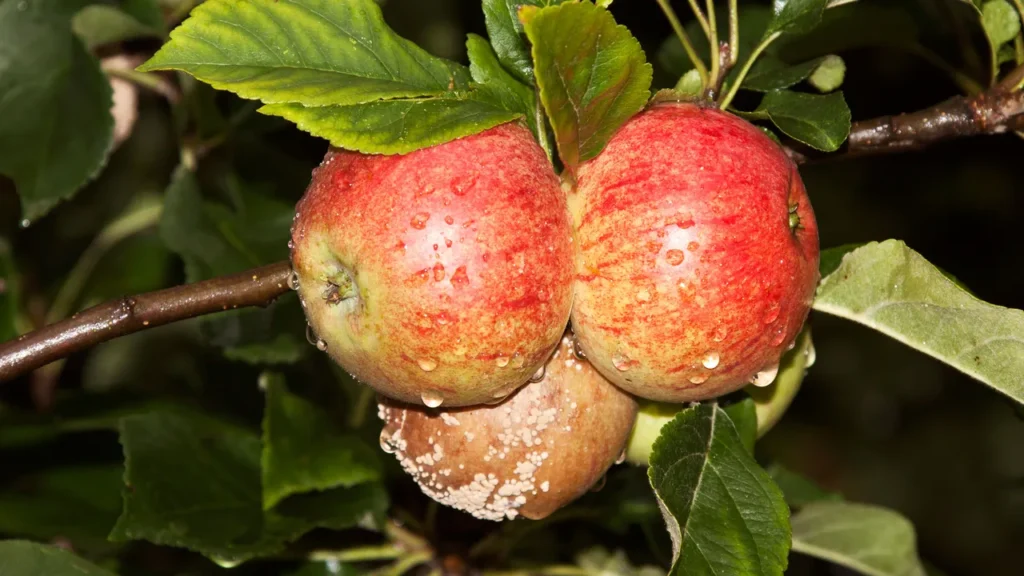
Even though crab apples contain less sugar than standard apples, they still have natural sugars that should be limited. Treats of any kind should make up no more than 10% of a dog’s daily diet. An occasional small bite is usually fine, but regular or excessive consumption can contribute to weight gain and related health issues.
Another concern is digestive upset. While cyanide poisoning is unlikely, eating too many crab apples can easily cause stomach discomfort. Dogs with sensitive digestive systems may develop diarrhea or abdominal pain after consuming only a few.
There’s also a safety risk when crab apples are eaten off the ground. Fallen fruit may be moldy, spoiled, or contaminated, and it’s impossible to know how long it has been there. Ingesting spoiled fruit can make dogs seriously ill, so any apple should always be checked before allowing your pet to eat it.
What Happens if My Dog Eats Crab Apples?
If your dog eats one or two crab apples, there is usually no reason to panic. Simply monitor them for any unusual symptoms. Problems are unlikely unless your dog has consumed a large amount or has eaten seeds, stems, or leaves.
If you suspect your dog ate a significant quantity or begins acting strangely, contacting your veterinarian is the safest option.
Watch for the following signs:
- Tight or painful abdomen
- Low energy or lethargy
- Severe or ongoing diarrhea
- Blood in stool
- Frequent vomiting
- Blood in vomit
- Weakness
If any of these symptoms appear, seek veterinary care immediately.
Final Thoughts
Although crab apples contain trace amounts of cyanide, they are only dangerous if consumed in very large quantities, which is extremely unlikely. If your dog grabs a crab apple during a walk, they will most likely be fine. At worst, mild stomach upset or diarrhea may occur.That said, crab apples are not an ideal snack for dogs. They should only be eaten occasionally and in small amounts, and dogs should avoid the seeds, stems, and leaves entirely. There’s also a risk of contamination when fruit is picked up from the ground. Whenever possible, stick to dog-specific treats that are made with your pet’s health in mind.
Disclaimer
The information provided on Healthydogsmeals.com is for educational and informational purposes only and is not intended to replace professional veterinary advice, diagnosis, or treatment. Always consult your veterinarian before introducing new foods into your dog’s diet or if you have concerns about your pet’s health. While we strive to keep our content accurate and up to date, we cannot guarantee that all information will apply to every dog or situation.
FAQ
Dogs can eat small amounts of crab apple fruit, but the seeds, stems, and leaves should be avoided. Eating too many crab apples may cause stomach upset.
Crab apples are not toxic in small amounts, but large quantities or ingestion of seeds and leaves can pose a risk due to cyanogenic compounds.
Most dogs will be fine after eating one or two crab apples, but excessive consumption can lead to vomiting, diarrhea, or abdominal discomfort.