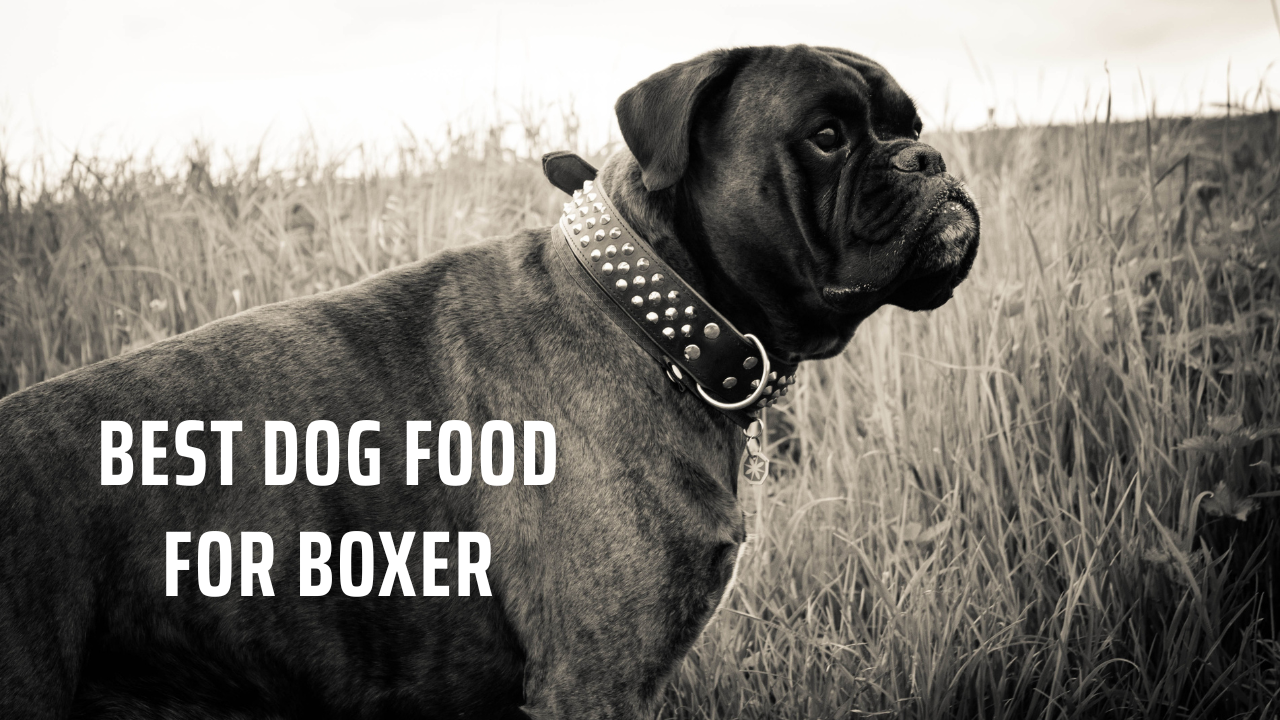
The best dog food for Boxer dog is a high-quality formula with real animal protein, balanced fat levels, joint-support nutrients, and ingredients that support heart and digestive health. Boxers are active, muscular dogs that need complete and balanced nutrition designed for medium-to-large breeds and sensitive digestion.
✅ Quick Facts About Boxer Nutrition
- ✔ Choose high-quality protein as the first ingredient
- ✔ Boxers benefit from moderate to high protein levels
- ✔ Sensitive stomach formulas may help digestion
- ✔ Limited-ingredient diets may help Boxers with allergies
- ✔ Controlled calories help prevent weight gain
- ✔ Boxer puppy food should support steady growth
- ✔ Always choose food that meets AAFCO standards
Boxers are energetic, muscular, and loyal dogs. They are known for their playful personality and strong build. Because of their body structure and activity level, choosing the best dog food for Boxer dog is important.
Boxers may be prone to sensitive stomachs, food allergies, and joint strain as they age. Feeding a balanced diet can support muscle maintenance, healthy digestion, and overall well-being.
This guide explains what to look for, what to avoid, and how to choose food that supports your Boxer at every life stage.
What Is the Best Dog Food for Boxer Dog?
The best dog food for Boxer dog is a complete and balanced diet formulated for medium-to-large active breeds.
It should include:
1️⃣ Real meat as the first ingredient
2️⃣ Moderate to high protein levels
3️⃣ Controlled fat content
4️⃣ Digestive-friendly ingredients
5️⃣ No unnecessary fillers
Boxers are muscular dogs, so they benefit from strong protein support.
Why Is It Important for Boxers?
Boxers are athletic and energetic. Their diet affects:
- Muscle tone
- Energy levels
- Coat condition
- Digestive comfort
- Long-term joint health
Improper nutrition can contribute to weight gain or digestive issues. Balanced feeding helps maintain lean muscle and steady energy.
Nutritional Breakdown: What Boxers Need
Here is a simple overview of key nutrients:
| Nutrient | Why It Matters |
|---|---|
| Protein | Supports muscle maintenance |
| Fat | Provides energy |
| Omega-3 Fatty Acids | Supports skin and coat |
| Fiber | Supports digestion |
| Glucosamine | Supports joint health |
| Taurine | Supports heart function |
Boxers are active and muscular, so protein is especially important. However, balance matters more than extreme protein levels.
High Protein Dog Food for Boxer
Many owners look for high protein dog food for Boxer because of their athletic build.
High-quality protein sources include:
- Chicken
- Turkey
- Salmon
- Lamb
Protein should come from named animal sources, not vague terms like “meat by-products.”
Moderate to high protein works well for active adult Boxers, but excessive protein is unnecessary.
Boxer Puppy Food: What to Look For
Growing Boxers need proper support during development.
Choose Boxer puppy food that:
- Is labeled for large or medium-large breeds
- Contains balanced calcium and phosphorus
- Includes DHA for brain development
- Supports steady growth
Avoid overfeeding puppies. Controlled growth supports joint development.
Feed puppies 3–4 meals per day, gradually reducing to two meals as they mature.
Best Food for Boxer With Allergies
Some Boxers develop skin irritation or digestive upset from certain ingredients.
If you suspect food sensitivity, look for:
- Limited ingredient diets
- Single animal protein source
- Grain-free options (if recommended by your vet)
- No artificial colors or preservatives
Common allergens include beef, dairy, and wheat.
If your Boxer shows persistent itching, ear infections, or digestive upset, consult your veterinarian.
Sensitive Stomach Food for Boxer
Boxers may have sensitive digestion.
Look for sensitive stomach food for Boxer that includes:
- Easily digestible proteins
- Prebiotics or probiotics
- Moderate fat levels
- Limited ingredient lists
Avoid sudden food changes. Always transition gradually over 7–10 days.
What Ingredients Should You Look For?
When choosing food, look for:
1️⃣ Real meat as the first ingredient
2️⃣ Named fat sources (chicken fat, salmon oil)
3️⃣ Whole grains or quality carbs (brown rice, oats)
4️⃣ Added omega fatty acids
5️⃣ Clear AAFCO statement
Transparent ingredient lists show higher quality standards.
What Should You Avoid?
Avoid foods with:
- Artificial colors
- Excess salt
- Unnamed meat meals
- Excess fillers
- Extremely high fat for less active dogs
Boxers can gain weight if overfed calorie-dense diets.
Safety Guidelines for Feeding Boxers
Follow these practical steps:
1️⃣ Measure food portions
2️⃣ Divide meals into two servings daily
3️⃣ Monitor body condition
4️⃣ Adjust based on activity level
5️⃣ Provide fresh water at all times
You should be able to feel your Boxer’s ribs without pressing hard.
Comparison: Puppy vs Adult vs Senior Boxer Food
| Life Stage | Focus | Key Nutrients |
|---|---|---|
| Puppy | Steady growth | Balanced calcium, DHA |
| Adult | Muscle & energy | Protein, omega-3 |
| Senior | Joint & weight support | Lower calories, glucosamine |
Matching life stage is essential for proper nutrition.
Are There Vet-Recommended Options?
Veterinarians typically recommend complete and balanced diets that meet AAFCO standards and undergo feeding trials.
When choosing food:
- Confirm AAFCO compliance
- Check life-stage labeling
- Review ingredient quality
- Consider digestive tolerance
Consult your veterinarian before making major dietary changes, especially if your Boxer has allergies or digestive issues.
🛒 Recommended Products
Affiliate Disclosure: This article may contain affiliate links. If you purchase through these links, we may earn a small commission at no extra cost to you.
Here are widely trusted options:
✔ Purina Pro Plan Sensitive Skin & Stomach
- Real salmon as first ingredient
- Includes probiotics
- Meets AAFCO standards
✔ Royal Canin Boxer Adult
- Breed-specific formula
- Designed for muscle tone
- Balanced nutrient profile
✔ Blue Buffalo Life Protection Formula
- Real meat first
- No artificial preservatives
- Balanced protein and fat
✔ Wellness Complete Health Large Breed
- Natural ingredients
- Omega fatty acids included
- No artificial colors
These options support muscle maintenance, digestion, and balanced nutrition.
Common Mistakes Dog Owners Make
Avoid these common errors:
- Overfeeding
- Switching foods too quickly
- Ignoring food allergy signs
- Feeding table scraps regularly
- Choosing food based only on marketing claims
Boxers are food-motivated. Portion control matters.
Practical Feeding Example
An adult Boxer weighing 28 kg may need around 2–3 cups of quality dry food daily, split into two meals.
Highly active Boxers may need slightly more. Less active dogs may need less.
Adjust gradually and monitor body condition regularly.
Frequently Asked Questions (FAQ)
A high-quality, balanced formula with real meat, moderate fat, and digestive support.
They benefit from moderate to high-quality protein, especially if active.
Limited ingredient diets with a single protein source may help.
Some can, but consult your veterinarian before choosing grain-free options.
Puppies: 3–4 meals daily. Adults: 2 meals daily.
Easily digestible proteins and gradual food transitions.
Homemade diets require careful nutrient balancing. Consult your veterinarian.
Usually around 7–8 years, depending on activity level and health.
Final Thoughts
Choosing the best dog food for Boxer dog means focusing on balanced nutrition, muscle support, digestive comfort, and proper portion control.
Boxers thrive on high-quality protein, controlled fat, and consistent feeding routines. Always introduce new food gradually and monitor your dog’s weight and energy.
Medical Disclaimer
This content is for informational purposes only and is not a substitute for professional veterinary advice, diagnosis, or treatment.