Best Dog Food for Pitbulls: 6 Vet-Informed Picks
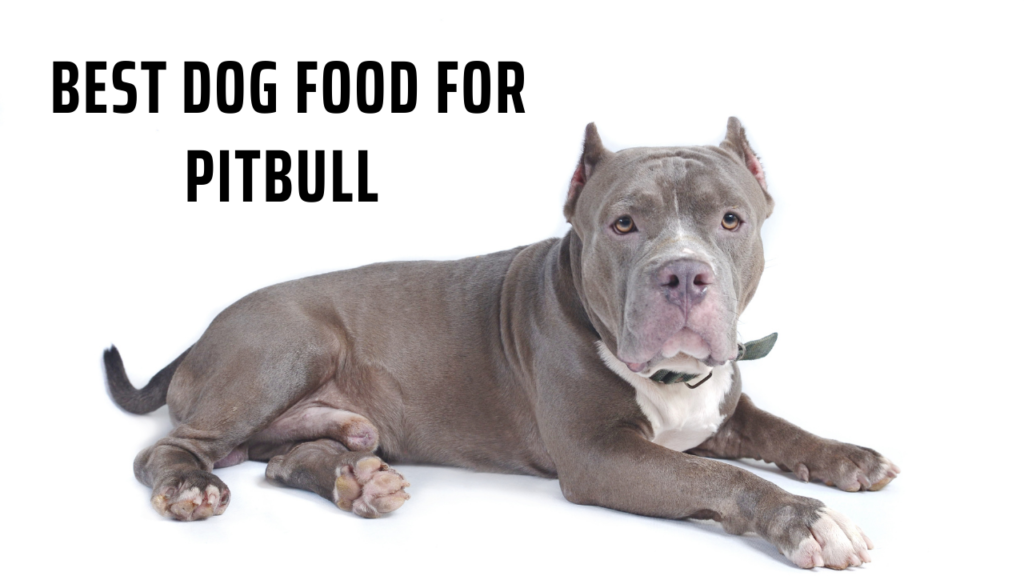
| Quick Answer The best dog food for most healthy adult Pitbulls is a complete-and-balanced diet that matches the dog’s life stage, calorie needs, activity level, and any skin or digestive issues. Our 2026 best-overall pick is Purina Pro Plan Sensitive Skin & Stomach Salmon & Rice because salmon is the first ingredient, the formula provides 26% protein and 16% fat, fish oil supplies EPA and DHA, and AAFCO feeding tests substantiate complete and balanced nutrition for adult maintenance. Highly active working dogs may need a more calorie-dense option such as Purina Pro Plan Sport 30/20, while overweight dogs are usually better served by a lower-calorie weight-management formula. |
| Affiliate Disclosure This article contains product recommendations and may contain affiliate links. If you buy through a qualifying link, Healthy Dogs Meals may earn a commission at no extra cost to you. Recommendations are based on current labels, nutritional adequacy, feeding evidence, suitability, and value—not commission rate. |
“Pitbull” is commonly used as an umbrella term for American Pit Bull Terriers, American Staffordshire Terriers, Staffordshire Bull Terriers, and many mixes with similar ancestry. That matters for feeding because adult size varies. The United Kennel Club lists a desirable American Pit Bull Terrier weight of about 35–60 pounds for males and 30–50 pounds for females, while the American Kennel Club lists American Staffordshire Terriers at roughly 40–70 pounds.
These dogs are naturally muscular, but they do not need a bodybuilding diet. Healthy muscle comes from adequate complete protein, sufficient—not excessive—calories, regular exercise, and keeping the dog lean. A high-fat performance food can be useful for a genuinely hard-working dog; it can just as easily cause weight gain in a typical family companion.
Quick Facts: Pitbull Nutrition in 2026
- Choose a food with an AAFCO nutritional adequacy statement for the dog’s life stage.
- AAFCO adult-maintenance minimum crude protein is 18% on a dry-matter basis; growth/reproduction minimum is 22.5%. There is no official Pitbull-specific 25–30% protein requirement.
- A named animal protein first is a useful sourcing marker, but the whole formulation, adequacy statement, quality control, and feeding evidence matter more than ingredient-list marketing.
- Many Pitbull-type dogs are active, but VCA notes they may also tend to be slightly overweight. Adjust calories to body condition instead of automatically feeding a performance formula.
- Itchy skin is not automatically a food allergy. Environmental allergies, fleas, infections, and other causes are common.
- True food allergy is best diagnosed with a veterinarian-supervised elimination-challenge diet trial, not by simply buying a “salmon” or “grain-free” food.
- Grain-free is not required. The FDA says many non-hereditary DCM reports involved diets with peas/lentils or other pulses high in the ingredient list, though the precise relationship remains unresolved.
- Pitbull puppies should eat a complete growth diet; larger pups approaching 70 lb adult size should use food appropriate for growth of large-size dogs.
- Measure food and adjust for calories per cup. Current recommended foods in this guide range from about 330 to 484 kcal/cup.
Best Dog Food for Pitbulls: Top 6 Picks
| Pick | Best For | Protein | Fat | Calories | Price Snapshot* | Why It Stands Out |
| Purina Pro Plan Sensitive Skin & Stomach Salmon & Rice | Best overall / skin-sensitive adults | 26% | 16% | 449 kcal/cup | $77.48 / 30 lb | Salmon first; EPA/DHA; no corn/wheat/soy; AAFCO feeding tests |
| Hill’s Science Diet Adult Sensitive Stomach & Skin Chicken | Digestive + skin support | 20% | 13% | 391 kcal/cup | $89.99 / 30 lb | Chicken first; prebiotic fiber; omega-3/6; adult complete & balanced |
| Purina Pro Plan Sport Performance 30/20 Chicken & Rice | Highly active / working dogs | 30% | 20% | 484 kcal/cup | $74.98 / 37.5 lb | Chicken first; very calorie dense; EPA/DHA; AAFCO feeding tests |
| IAMS Proactive Health Minichunks Chicken & Whole Grains | Best value | 25% | 14.5% | 393 kcal/cup | $46.97 / 30 lb | Chicken first; prebiotic/fiber blend; good price per pound |
| Purina Pro Plan Weight Management Shredded Blend Chicken & Rice | Overweight / lower-activity adults | 27% | 9% min | 330 kcal/cup | $77.48 / 34 lb | Lower calorie density; high protein; feeding-trial substantiated |
| Purina Pro Plan Puppy Sensitive Skin & Stomach Salmon & Rice | Pitbull puppies | 28% | 18% | 479 kcal/cup | $74.98 / 24 lb | Salmon first; DHA/EPA; AAFCO all life stages incl. large-size growth |
*Prices checked August 26, 2026. Retail pricing, promotions, stock, and bag sizes can change.
How We Chose These Foods
We re-checked the current U.S. manufacturer pages, label data, nutritional adequacy statements, guaranteed analyses, calorie density, feeding evidence, and current retail pricing. We also weighted factors that matter specifically for Pitbull-type dogs: maintaining lean muscle without excess weight, skin and digestive tolerance, puppy growth, and whether a high-calorie formula is actually justified by activity.
- Complete-and-balanced nutrition for the intended life stage.
- Named animal protein first where practical, while avoiding the mistake of judging a food by ingredient order alone.
- Enough protein to support lean mass, without treating “more protein” as automatically better.
- Calories and fat that fit the dog’s real activity level.
- Digestive and skin-support features when relevant, such as prebiotic fiber and omega fatty acids.
- Manufacturer transparency and feeding evidence where available.
- Current availability and realistic cost per bag.
1. Purina Pro Plan Sensitive Skin & Stomach Salmon & Rice — Best Overall
For the typical adult Pitbull, this is the strongest all-around balance of protein, digestibility, skin support, and evidence. Salmon is the first ingredient. The current guaranteed analysis lists 26% crude protein and 16% crude fat, while the manufacturer lists about 449 kcal per cup. The formula also supplies fish oil with EPA and DHA, sunflower oil for omega-6 fatty acids, and easily digestible oatmeal and rice.
Purina states that animal feeding tests using AAFCO procedures substantiate complete and balanced nutrition for adult maintenance. That is stronger evidence than simply saying a food “meets AAFCO standards.” It is also chicken-free and made without corn, wheat, or soy, which can be useful for some dogs—but it is not a veterinary elimination diet and should not be used to diagnose a food allergy.
| Best for Healthy adult Pitbulls, especially dogs with recurring soft stool, dry skin, or owners who want a salmon-first formula with feeding-trial evidence. |
Price checked: about $77.48 for a 30-lb bag at Chewy.
Watch-outs: At 449 kcal/cup, portions add up quickly. A low-activity or neutered dog may need less than the bag’s general starting amount.
2. Hill’s Science Diet Adult Sensitive Stomach & Skin Chicken — Best for Digestion + Skin
Hill’s current Adult Sensitive Stomach & Skin Chicken recipe is another strong mainstream option. Chicken is the first ingredient, and the retail guaranteed analysis lists 20% crude protein and 13% crude fat at about 391 kcal per cup. Hill’s also provides dry-matter nutrient data—about 25% protein and 16.7% fat—which is useful when comparing foods with different moisture levels.
The formula uses prebiotic fiber to support digestive health and includes vitamin E plus omega-3 and omega-6 fatty acids for skin and coat. This is particularly useful when the main problem is sensitive digestion rather than a confirmed food allergy.
| Best for Adult Pitbulls that tolerate chicken but have sensitive digestion, variable stool quality, or skin that benefits from a digestibility-focused formula. |
Price checked: about $89.99 for a 30-lb bag at Chewy.
Watch-outs: It contains chicken, egg, pork flavor, grains, and peas. If your veterinarian is testing for food allergy, use the prescribed elimination diet instead of an over-the-counter sensitive formula.
3. Purina Pro Plan Sport Performance 30/20 — Best for Highly Active Pitbulls
This is the formula people often picture when searching for “muscle gain dog food for Pitbulls,” but it is appropriate only when the dog’s activity truly justifies the calories. It provides 30% protein, 20% fat, and about 484 kcal per cup. Chicken is the first ingredient, and the recipe includes EPA, DHA, glucosamine, and a probiotic source.
Purina states that AAFCO feeding tests substantiate complete and balanced nutrition for all life stages, including growth of large-size dogs. Even so, the high fat and calorie density make it a performance food—not a default choice for every muscular-looking dog.
| Best for Working, sport, weight-pull, hunting, or genuinely high-output dogs that struggle to maintain condition on a standard adult formula. |
Price checked: about $74.98 for a 37.5-lb bag at Chewy.
Watch-outs: 484 kcal/cup and 20% fat can produce rapid weight gain in a normal household Pitbull. Do not use extra calories as a shortcut to make a dog look more muscular.
4. IAMS Proactive Health Minichunks Chicken & Whole Grains — Best Value
For owners who need a lower-cost food without dropping to an unbalanced or anonymous formula, IAMS Minichunks is a practical option. Chicken is the first ingredient; the current label lists 25% crude protein, 14.5% crude fat, and about 393 kcal per cup. It also contains a blend of natural fiber and prebiotics for digestion.
It is less specialized than Purina Pro Plan or Hill’s, but it supplies complete everyday nutrition at a much lower price per pound. The current 30-lb Chewy price was about $46.97 when checked.
| Best for Healthy adult Pitbulls with no special medical or allergy needs when budget is a major consideration. |
Watch-outs: The formula includes corn, sorghum, soybean meal, chicken by-product meal, peas, and caramel color. Those ingredients are not automatically unsafe, but this is not a limited-ingredient diet.
5. Purina Pro Plan Weight Management Shredded Blend Chicken & Rice — Best for Weight Control
VCA notes that Pitbull-type dogs can tend to stay in good weight or become slightly overweight. That makes calorie control as important as protein. This Purina formula provides 27% crude protein with only 9% minimum fat and about 330 kcal per cup—substantially less energy per cup than the 484-kcal Sport formula.
The label also includes glucosamine and probiotics, and Purina states that AAFCO feeding tests substantiate complete and balanced adult-maintenance nutrition. The current feeding chart even provides a separate 25% calorie-reduction column, although a veterinarian should guide weight-loss targets for significantly overweight dogs.
| Best for Adult Pitbulls that gain weight easily, are less active after neutering, or need a calorie-controlled maintenance plan while preserving protein intake. |
Price checked: about $77.48 for a 34-lb bag at Chewy.
Watch-outs: “Weight management” still requires measuring portions. Free-feeding or high-calorie treats can cancel out the lower-calorie kibble.
6. Purina Pro Plan Puppy Sensitive Skin & Stomach Salmon & Rice — Best for Pitbull Puppies
Growing Pitbull puppies need growth-stage nutrition, not an adult high-protein food. This formula starts with salmon and provides 28% crude protein, 18% fat, 1.1% calcium, 0.9% phosphorus, DHA and EPA, and about 479 kcal per cup. Purina’s current nutritional adequacy statement says it is formulated for all life stages, including growth of large-size dogs expected to reach 70 lb or more as adults.
That large-size growth statement is useful because a smaller American Pit Bull Terrier may mature around 30–60 lb, while some American Staffordshire Terriers and mixes can approach or exceed 70 lb. You do not need to guess which mineral profile to use if the food is explicitly suitable for large-size growth.
| Best for Pitbull puppies, especially pups with sensitive digestion or skin and larger individuals that may mature near the 70-lb threshold. |
Price checked: about $74.98 for a 24-lb bag at Chewy.
Watch-outs: Do not add calcium, bone meal, or “bulking” supplements to a complete puppy food unless your veterinarian specifically directs it.
How Much Protein Does a Pitbull Actually Need?
The current live article says the best Pitbull food provides 25–30% protein. That range can be perfectly reasonable for many commercial foods, but it is not an official breed requirement. AAFCO nutrient profiles set a minimum of 18% crude protein on a dry-matter basis for adult maintenance and 22.5% for growth and reproduction.
A Pitbull can do well on a food below 25% label protein if the diet is complete, digestible, calorie-appropriate, and supplies the necessary amino acids. Conversely, a 30% protein food does not automatically create more muscle. If the dog is eating excess calories and not exercising, the extra energy is stored as body fat.
Muscle Gain Dog Food for Pitbulls: What Actually Works
- Keep the dog lean enough that ribs are easy to feel without a thick fat layer.
- Use a complete diet with adequate protein, not an unbalanced meat-only or supplement-heavy plan.
- Increase calories only when body condition and workload show the dog truly needs them.
- Use progressive conditioning—walking, hill work, structured play, sport training—not just food.
- Recheck weight every 2–4 weeks when changing calorie intake.
Purina Sport 30/20 can be useful for genuinely high-output dogs. For the average companion Pitbull, a moderate-calorie adult formula is usually a better starting point.
Best Food for a Pitbull With Skin Allergies
Itching is common in many dogs, but the cause is often not food. VCA notes that atopic dermatitis is triggered by environmental allergens such as pollens, molds, mildew, and house-dust mites. Fleas and secondary skin infections can also cause intense itching.
When food allergy is suspected, veterinary references agree that the best diagnostic method is an elimination-challenge diet trial. That usually means a therapeutic hydrolyzed diet or a carefully chosen novel-protein diet fed exclusively for at least about eight weeks, followed by a controlled challenge. Blood, saliva, hair, and routine skin tests are not reliable for proving a food allergy.
| Important A salmon-based food may help some dogs because it changes the protein source and supplies omega-3 fats, but “salmon” does not automatically mean hypoallergenic. A dog can react to any dietary protein, and over-the-counter foods are not the same as veterinary elimination diets. |
Do Pitbulls Need Grain-Free Food?
No. Pitbulls do not need grain-free food as a breed. The FDA’s current public guidance says most diets reported in cases of non-hereditary dilated cardiomyopathy had non-soy legumes or pulses such as peas and lentils high in the ingredient list, and that these diets included both grain-free and grain-containing foods. The agency has not established a simple cause-and-effect relationship and does not say all legumes are dangerous.
The practical takeaway is to avoid choosing grain-free just because it sounds more “natural.” If your dog tolerates grains, a well-formulated grain-inclusive diet is a sensible default. If a veterinarian recommends a specific grain-free or therapeutic formula for a medical reason, follow that individualized plan.
Are Corn, Wheat, Rice, or By-Products “Fillers”?
Not automatically. WSAVA’s nutrition guidance warns that the ingredient list alone does not tell you ingredient quality or whether qualified nutrition expertise was involved in formulation. Grains can provide digestible carbohydrate, fatty acids, fiber, vitamins, and minerals. By-products can contain nutrient-rich organs and tissues.
For this guide, we prioritize whether a food is nutritionally adequate, digestible, calorie-appropriate, and backed by a manufacturer with strong nutrition and quality-control resources. Ingredient preferences can still matter to owners, but they should not replace the adequacy statement or the dog’s real-world response to the diet.
Pitbull Puppy Feeding Guide
| Age | Meals/Day | Main Goal | Practical Note |
| 8–12 weeks | 4 | Steady growth | Use a complete growth food; split daily amount into small meals. |
| 3–6 months | 3 | Lean growth | Monitor body condition and stool as intake rises. |
| 6–12 months | 2–3 | Controlled adolescent growth | Keep treats within the daily calorie budget. |
| ~12–18 months | 2 | Transition toward adult maintenance | Timing varies with size and maturity; ask your vet if unsure. |
Larger Pitbull-type puppies may benefit from a large-breed growth formula. VCA specifically advises large-breed growth food for American Staffordshire Terrier puppies to slow growth rate without reducing final adult size, which may help reduce orthopedic stress.
How Much Should a Pitbull Eat Per Day?
There is no reliable universal “2–3 cups per day” answer. Cups are a volume measure, while energy needs are driven by calories. Compare these current foods: Purina Weight Management is about 330 kcal/cup, IAMS Minichunks about 393 kcal/cup, Purina Sensitive Skin & Stomach about 449 kcal/cup, and Purina Sport 30/20 about 484 kcal/cup.
Three cups of the weight-management food is roughly 990 kcal; three cups of Sport 30/20 is about 1,452 kcal. That 462-kcal difference is substantial for a 40–60 lb dog.
- Start with the feeding chart on the exact bag you buy.
- Use a gram scale when possible; grams are more precise than cups.
- Adjust every 1–2 weeks based on weight trend and body condition.
- Count treats, chews, table food, and toppers as part of daily calories.
- If ribs become difficult to feel or the waist disappears, reduce calories and reassess activity.
Weight Control Matters More Than “Bulking”
VCA’s American Staffordshire Terrier guidance notes that Pitbull-type dogs may tend to become slightly overweight and recommends restricted calories when weight starts creeping up. Excess body fat does not improve strength. It increases orthopedic load and can make heat tolerance and exercise harder.
If your dog needs to lose significant weight, get a veterinarian to set a target weight and calorie plan. A food labeled for weight management can help, but the total calorie deficit still determines fat loss.
Dry vs Wet Food for Pitbulls
| Factor | Dry Food | Wet Food |
| Cost per calorie | Usually lower | Usually higher |
| Storage | Easy after opening if kept sealed/dry | Refrigerate after opening |
| Water content | Lower | Much higher |
| Portion tracking | Simple if weighed/measured | Easy if using can/pouch calories |
| Dental effect | Ordinary kibble is not a substitute for dental care | Also not a substitute for dental care |
| Best use | Convenient base diet | Full diet, topper, or help with palatability/hydration |
The old page states that dry food “helps reduce plaque.” Standard kibble should not be treated as dental care. If dental benefit matters, use products specifically accepted for dental claims and maintain brushing/veterinary dental care.
How to Switch Your Pitbull to a New Food
For most healthy dogs, transition gradually over about 7–10 days:
| Days | Old Food | New Food |
| 1–3 | 75% | 25% |
| 4–6 | 50% | 50% |
| 7–9 | 25% | 75% |
| 10+ | 0% | 100% |
Slow down if stools soften. Persistent vomiting, diarrhea, blood in the stool, abdominal pain, refusal to eat, or sudden severe itching needs veterinary attention rather than repeated food switching.
What About Senior Pitbulls?
Senior dogs do not automatically need low-protein food. Healthy older dogs still need adequate high-quality protein to preserve lean mass. The priorities are maintaining an ideal weight, preserving muscle, supporting mobility, and adapting nutrition to diagnosed disease if one develops.
One current option for a senior dog with sensitive skin or digestion is Purina Pro Plan Sensitive Skin & Stomach 7+ Salmon & Rice. It provides 29% protein, 14% fat, about 429 kcal/cup, and includes glucosamine plus EPA/DHA. If an older Pitbull has kidney, heart, gastrointestinal, or other chronic disease, a therapeutic diet may be more appropriate than an over-the-counter senior food.
What to Look For on a Pitbull Dog Food Label
- An AAFCO nutritional adequacy statement that matches puppy/growth, adult maintenance, or all life stages as appropriate.
- A calorie statement (kcal/cup or kcal/kg) so portions can be compared accurately.
- A protein source your individual dog tolerates.
- Manufacturer contact information and access to knowledgeable nutrition support.
- Clear feeding instructions and life-stage positioning.
- Omega-3 sources such as fish oil when skin/joint support is a priority.
What to Avoid or Question
- Foods that are not complete and balanced for the intended life stage.
- Using very high-calorie performance food for a low-activity dog simply to make the dog look “bigger.”
- Unbalanced raw, meat-only, or homemade diets created without veterinary nutrition expertise.
- Adding calcium or mineral supplements to a complete puppy diet without veterinary direction.
- Buying grain-free solely because of marketing, especially when peas/lentils/pulses dominate the formula.
- Trying to diagnose food allergy by rotating random commercial proteins every few weeks.
Related Healthy Dogs Meals Guides
- Purina Pro Plan Review
- Best Diet for Dogs With Allergies
- Puppy Feeding Schedule by Age and Weight
- Best Dog Food for Boxers
- Best Dog Food for Golden Retrievers
Frequently Asked Questions
For most healthy adults, our 2026 best-overall pick is Purina Pro Plan Sensitive Skin & Stomach Salmon & Rice because it combines 26% protein, salmon first, omega fatty acids, digestive support, and AAFCO feeding-trial substantiation.
No. There is no official 30% Pitbull requirement. AAFCO sets life-stage minimums. Many active dogs do well on foods in the mid-to-high 20% range, while some athletes may benefit from 30% protein formulas when calorie needs are also high.
Do not assume the cause is food. If a true food allergy is suspected, the diagnostic standard is a veterinarian-supervised elimination-challenge trial using a therapeutic hydrolyzed or carefully selected novel-protein diet.
Salmon-based foods can supply omega-3 fatty acids and provide an alternative protein source. They may help some dogs, but salmon is not automatically hypoallergenic and is not a substitute for allergy diagnosis.
It can be excellent for genuinely high-output working or sport dogs. At about 484 kcal/cup and 20% fat, it is usually too calorie-dense to be the default food for a normal household Pitbull.
There is no universal cup amount. Start with the feeding chart on the exact food, then adjust to body condition. The foods in this guide vary from about 330 to 484 kcal per cup, so the same number of cups can deliver very different calories.
Choose a complete-and-balanced growth formula. Purina Pro Plan Puppy Sensitive Skin & Stomach Salmon & Rice is one current option that is formulated for all life stages including growth of large-size dogs.
Not by default. Grain-free is not a breed requirement. FDA data have found many DCM reports involved diets with peas, lentils, or other pulses high in the ingredient list, although the exact causal relationship remains unresolved.
A raw or meat-only diet can be nutritionally incomplete and carries pathogen risks. If you want a homemade diet, have it formulated by a board-certified veterinary nutritionist or other appropriately qualified veterinary nutrition professional.
Many medium-size Pitbull-type dogs transition around 12 months, while larger individuals may mature later. The correct time depends on expected adult size, body condition, and the specific growth food; ask your veterinarian if unsure.
Final Verdict
The best dog food for a Pitbull is not automatically the highest-protein or highest-calorie bag on the shelf. For most healthy adult dogs, prioritize complete-and-balanced nutrition, enough protein to preserve lean muscle, calories that match activity, and good skin/digestive tolerance.
Purina Pro Plan Sensitive Skin & Stomach Salmon & Rice is our best all-around 2026 pick. Hill’s Science Diet Sensitive Stomach & Skin is a strong digestive alternative, IAMS Minichunks offers the best value among the foods reviewed, and Purina Sport 30/20 should be reserved for dogs with genuinely high energy expenditure. For puppies, use a proper growth diet rather than an adult “muscle” formula.
If your Pitbull has persistent itching, recurrent ear infections, chronic diarrhea, significant obesity, pancreatitis, kidney disease, or another diagnosed condition, choose the diet with your veterinarian rather than from a general online ranking.
| Medical Disclaimer Healthy Dogs Meals provides general educational information only. This article is not veterinary medical advice and cannot diagnose, treat, or prevent disease. Individual calorie needs, allergy testing, therapeutic diets, and medical nutrition should be discussed with your veterinarian. |