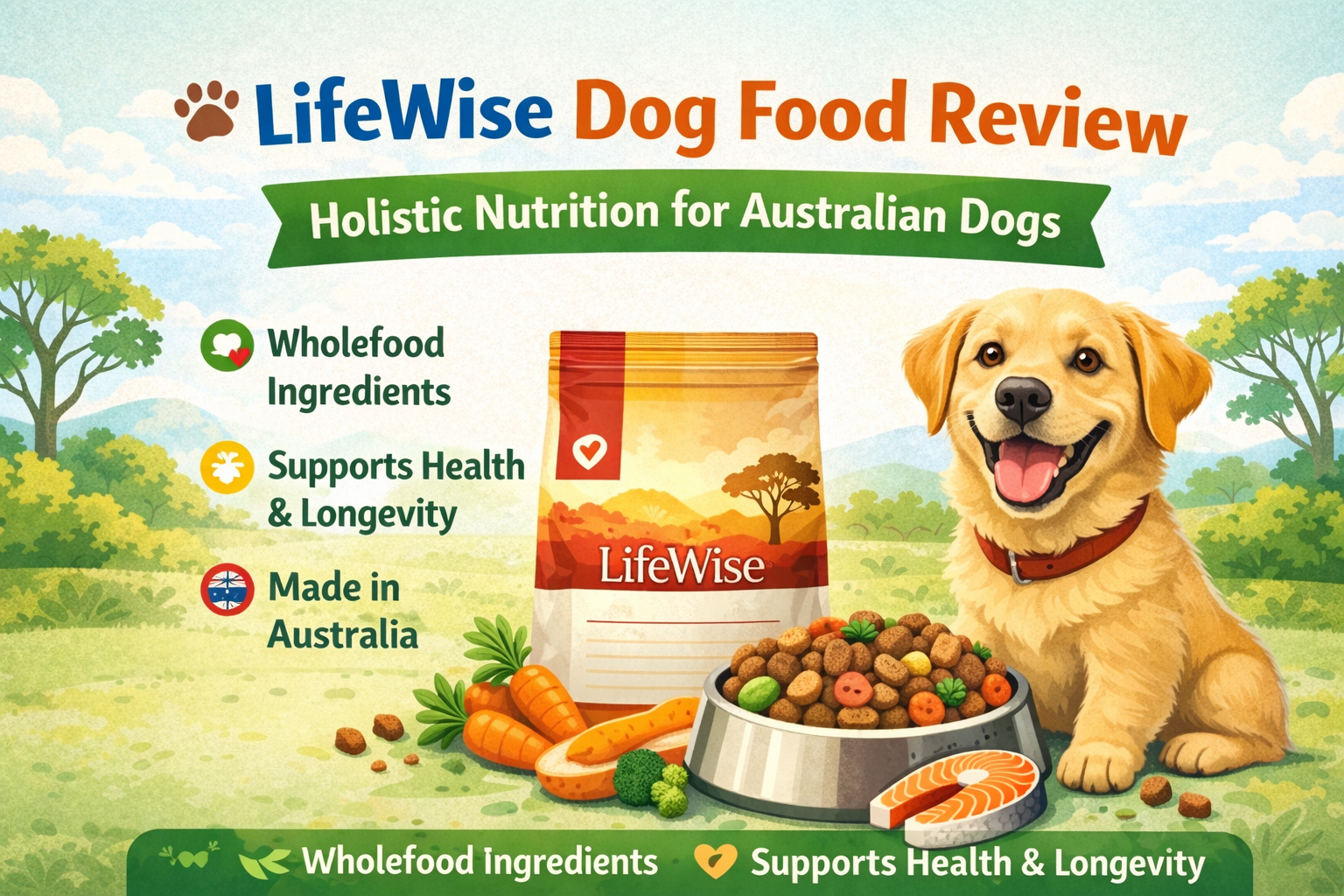
LifeWise is a premium, Australian-made holistic dog food that focuses on the gut microbiome and “food as medicine.” Using high-quality local proteins like kangaroo and lamb, it provides scientifically balanced, highly digestible nutrition that often results in smaller stools, improved skin health, and higher energy levels for dogs of all life stages.
Quick Facts: LifeWise Pet Nutrition
- 100% Australian: Owned, formulated, and manufactured in Australia using locally sourced ingredients.
- Microbiome Focus: Formulated to support gut health and microbial diversity as a foundation for overall immunity.
- Novel Proteins: Offers unique options like Wild Kangaroo, Wild Tuna, and Turkey for dogs with allergies.
- AAFCO Compliant: Meets or exceeds all AAFCO nutrient profiles for growth, maintenance, and all life stages.
- Holistic Range: Includes “Biotic” special needs diets for joints, skin, and calming support.
- Bioavailability: Highly concentrated formulas mean you feed up to 25% less than standard supermarket kibble.
Introduction: Science-Led Nutrition from the Ground Up
When you look at the landscape of pet nutrition in Australia, few brands take as deep a dive into the science of the gut as LifeWise. Originally developed by the lead nutritionist behind several other top-tier Aussie brands, LifeWise was created with a single mission: to use “food as medicine” to repair common skin and gut sensitivities.
In this LifeWise dog food review, we explore why this brand has become a go-to for owners who have tried everything else. Whether you are dealing with a “fussy” eater or a pup with chronic itchiness, understanding the LifeWise dog food ingredients and their unique nutritional philosophy is the first step toward a healthier pet.
What Is LifeWise Holistic Dog Food?
LifeWise holistic dog food is a next-generation dry food that treats the dog as a whole organism rather than just a collection of parts. Unlike some brands that focus solely on high protein percentages, LifeWise focuses on “sympathetic ingredients”—those that are perfectly aligned with a dog’s natural digestive ability and genetic requirements.
Their recipes are divided into three main categories:
- Adult Maintenance: For healthy dogs needing balanced daily energy.
- Grain-Free: Specifically for dogs with diagnosed grain sensitivities or dysbiosis.
- Biotic Special Needs: Targeted nutrition for joint health, skin repair, and weight management.
Why Is Holistic Nutrition Important for Dogs?
The term “holistic” is often used loosely in the pet industry, but in the context of a LifeWise pet nutrition review, it refers to a specific scientific balance.
- Gut-Brain Connection: By stabilizing the gut microbiome, LifeWise aims to reduce systemic inflammation that can lead to itchy skin, poor digestion, and even behavioral anxiety.
- Cellular Health: Using nutrigenomics (the study of how nutrition affects gene expression), LifeWise formulas are designed to support long-term longevity and reduce cellular stress.
- Efficiency: Because the food is so nutrient-dense and bioavailable, your dog’s body uses more of what they eat, which means less waste for you to pick up in the backyard.
What Ingredients Should You Look For?
A close look at the LifeWise dog food nutrition analysis reveals a commitment to quality over quantity. Key ingredients include:
1. Ethically Sourced Proteins
LifeWise uses high-value proteins such as barn-raised poultry, free-range lamb, and wild-caught kangaroo. Kangaroo is particularly prized as a lean, hypoallergenic protein source.
2. Animal-Derived Fats
Instead of using cheap vegetable oils, LifeWise utilizes lamb fat, poultry oil, and fish oils. These animal-derived lipids are essential for hormone production and a healthy coat.
3. Functional Carbohydrates
Even their grain-inclusive range uses high-quality “oat groats” and rice, which are gentle on the digestive tract compared to the heavy corn or wheat found in budget brands.
4. Holistic “Extras”
Ingredients like kelp, alfalfa, spinach, parsley, and yeast cell wall extract are included to provide natural vitamins, minerals, and prebiotic fiber.
What Should You Avoid?
One of the best features found in any LifeWise dog food rating australia is the list of ingredients they leave out. You will not find:
- Artificial Colors or Flavors: These provide zero nutritional benefit and can trigger sensitivities.
- Chemical Preservatives: They use natural antioxidants (Vitamin E and Rosemary Oil) to keep the food fresh.
- GMO Ingredients: A commitment to “clean” raw materials sourced locally.
- Cheap Fillers: No soy, corn gluten, or excessive plant starches are used to bulk up the bags.
Are There Vet-Recommended Options?
LifeWise is frequently used as a nutritional aid for dogs with specific health challenges. While it is not a “prescription” food in the traditional clinical sense, its Biotic range is often recommended by holistic-minded professionals as a healthier alternative to supermarket “special diet” foods.
- Biotic Low Fat: Often utilized for dogs recovering from pancreatitis or those with high blood fat disorders.
- Biotic Joint: Features enhanced levels of glucosamine and chondroitin for aging dogs or large breeds prone to hip issues.
- Biotic Skin: Specifically balanced with Omega-3 oils and specific proteins to help repair the skin barrier.
Nutritional Breakdown: LifeWise vs. The Competition
| Feature | LifeWise (Adult Range) | Standard Premium Kibble |
| Protein (Min) | 21% – 30% | 18% – 24% |
| Fat (Min) | 14% – 20% | 10% – 12% |
| Main Carb Source | Oats, Rice, or Sweet Potato | Corn, Wheat, or Sorghum |
| Microbiome Support | High (Prebiotics/Yeast) | Low to None |
| Feeding Amount | Approx. 150g – 300g (Medium Dog) | Approx. 350g – 450g (Medium Dog) |
LifeWise Dog Food Pros and Cons
Pros
- Highly Concentrated: You feed less per meal, making the LifeWise dog food price australia better value over time.
- No “And/Or” Labeling: You know exactly which protein is in every bag.
- Local Impact: Supports Australian farmers and reduces the carbon footprint of your pet’s food.
- Specialized Formulas: Excellent for dogs with recurring “mystery” allergies.
Cons
- Availability: Mostly found in boutique pet stores and online; rarely available in standard supermarkets.
- Initial Cost: A large 18kg bag can cost between $140 and $170, which is a significant upfront investment.
- Richness: Because of the high meat content, a very slow transition is required to avoid loose stools.
Recommended Products Section (Affiliate Friendly)
If you are new to the brand, these are the most popular choices for Australian pet owners:
- LifeWise Kangaroo with Lamb & Vegetables: The “flagship” formula. It is incredibly popular for dogs with sensitive stomachs and skin issues.
- LifeWise Ocean Fish with Lamb: A high-Omega formula that is perfect for maintaining a shiny coat and supporting brain health.
- LifeWise Biotic Low Fat: A highly effective nutritional aid for dogs that need a reduced-fat diet without sacrificing ingredient quality.
- LifeWise Stage 2 Puppy (Lamb & Fish): Specifically designed for growing puppies to ensure they develop strong bones and a resilient immune system.
Affiliate Disclosure: This article may contain affiliate links. If you purchase through these links, we may earn a small commission at no extra cost to you.
Common Mistakes Dog Owners Make
- Switching Too Fast: Because LifeWise is so nutrient-dense, your dog’s gut bacteria need time to adapt. A 10-day transition is highly recommended.
- Overfeeding: Owners often look at the smaller portions and think, “That’s not enough food!” Overfeeding LifeWise can lead to weight gain and soft stools.
- Storing in the Heat: As an Australian-made product with natural preservatives, it shouldn’t be left in a hot garage. Keep it in an airtight container in a cool pantry.
Safety and Transition Guidelines
To ensure your dog thrives on LifeWise, follow this transition schedule:
- Days 1–3: 25% LifeWise / 75% old food.
- Days 4–6: 50% LifeWise / 50% old food.
- Days 7–10: 75% LifeWise / 25% old food.
- Day 11+: 100% LifeWise.
Always ensure your dog has access to fresh, clean water, as the high protein levels require adequate hydration for processing.
FAQ
Yes, LifeWise is highly regarded for dogs with skin and gut sensitivities. Their “Kangaroo” and “Ocean Fish” formulas are specifically designed to avoid common allergens like beef and chicken.
LifeWise is 100% made and owned in Australia, using local Australian proteins and vegetables.
LifeWise offers both grain-inclusive (using oats and rice) and grain-free (using lentils and chickpeas) options to suit different dietary needs.
You are paying for high-quality meat proteins rather than cheap fillers. Because you feed smaller portions, the cost per day is often comparable to cheaper brands.
Yes, LifeWise has specific “Stage 1, 2, and 3” puppy formulas tailored to the different growth phases of small, medium, and large breeds.
Many owners report a significant reduction in itching and “hot spots” within 4–6 weeks of switching to LifeWise, thanks to the balanced Omega oils and gut support.
Yes, all LifeWise products are naturally preserved with Vitamin E and Rosemary Oil.
Conclusion: A Worthy Investment for Aussie Pups
Our LifeWise dog food review concludes that this brand is one of the most scientifically sound choices for the modern dog. By focusing on the gut microbiome and utilizing high-quality Australian ingredients, LifeWise provides a holistic solution that goes beyond basic satiety.
While the price point is premium, the results in coat quality, digestive health, and long-term vitality often make it the most cost-effective choice in the long run.
Medical Disclaimer: “This content is for informational purposes only and is not a substitute for professional veterinary advice, diagnosis, or treatment.”