Best Dog Food for Dalmatian
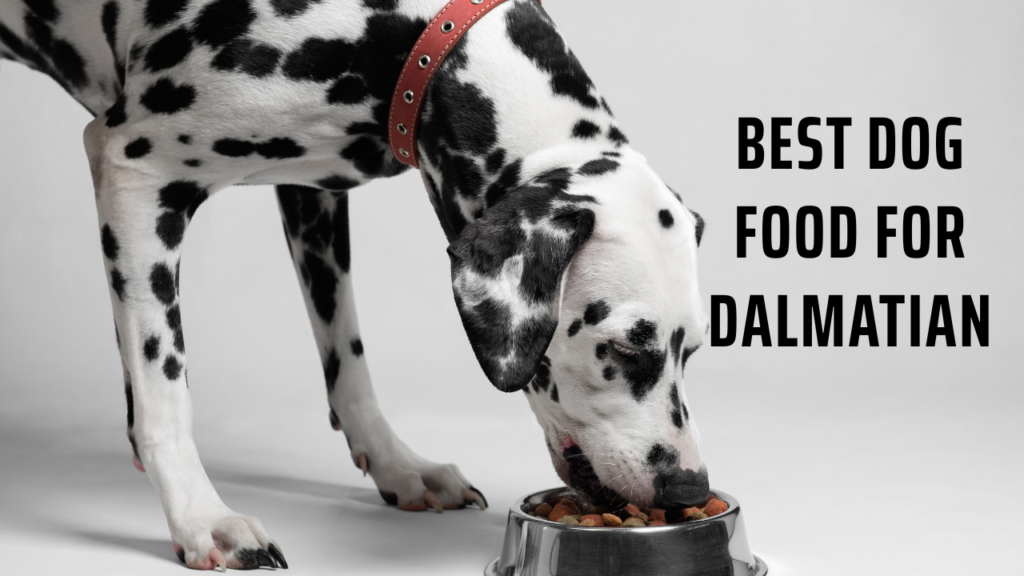
Dalmatians require low-purine diets because they process uric acid differently from other breeds, increasing the risk of bladder and kidney stones. The best dog food for Dalmatians is high in digestible protein, low in organ meats and game meats, with limited red meat and adequate hydration support.
Introduction: Why Dalmatians Are Nutritionally Unique
Dalmatians are not just famous for their spots. They are one of the most nutritionally unique dog breeds in existence. Unlike most dogs, Dalmatians metabolize purines differently. Instead of converting uric acid into allantoin — which is easily excreted — Dalmatians excrete uric acid directly. This creates a significantly elevated risk of urate bladder stones and kidney stones.
This metabolic quirk means that feeding a Dalmatian the same food you would give a German Shepherd or Golden Retriever is a mistake. Their diet requires thoughtful attention to purine content, protein sources, and hydration.
This guide covers exactly what to look for, what to avoid, and which products rank as the best dog food for Dalmatians right now.
Understanding Purines and Uric Acid in Dalmatians
Purines are naturally occurring compounds found in many foods, particularly organ meats, game meats, and certain fish. When digested, purines break down into uric acid. In most mammals, uric acid is converted into allantoin and eliminated. Dalmatians lack this secondary conversion step.
The result is that high-purine diets cause uric acid to accumulate in a Dalmatian’s urine, forming crystals and eventually stones. Urate stones are painful, can block the urinary tract, and in severe cases require surgical removal.
| Ingredient | Purine Level | Safe for Dalmatians? | Notes |
| Chicken (muscle meat) | Low-Medium | Yes — in moderation | Good primary protein |
| Turkey | Low-Medium | Yes | Digestible and gentle |
| Eggs | Very Low | Yes — excellent | High bioavailability |
| Beef | Medium-High | Limit intake | Occasional is okay |
| Organ meats (liver, kidney) | Very High | Avoid or minimize | High uric acid risk |
| Sardines / Anchovies | Very High | Avoid | Excessive purine load |
| Lamb | Medium | Occasional | Better than beef |
| Venison / Game Meats | Very High | Avoid | Risky for Dalmatians |
What to Look for in Dalmatian Dog Food
High-Quality Digestible Protein: Choose foods with chicken, turkey, or eggs as the primary protein source. These offer excellent amino acid profiles without overloading the purine pathway.
Low or No Organ Meat Content: Liver, kidney, and heart are popular in many premium dog foods but are problematic for Dalmatians. Look for formulas that list muscle meat first and contain only trace organ meat.
Alkalizing Ingredients: A slightly alkaline urine pH makes it harder for urate crystals to form. Ingredients like vegetables, certain grains, and potatoes help promote this balance.
High Moisture Content: Wet food or adding water to dry kibble helps dilute urine and flush the urinary tract, reducing stone formation.
No Excessive Sodium: High sodium can concentrate urine and worsen stone risk. Choose formulas with moderate, natural sodium levels.
Top Dog Food Recommendations for Dalmatians
| Product | Why We Recommend It | Where to Buy |
| Hill’s Science Diet Sensitive Stomach & Skin | Chicken-based, low on organ meats, promotes digestive health and hydration | Chewy.com / Amazon |
| Royal Canin Dalmatian Adult Dry Food | Breed-specific formula designed for Dalmatian uric acid metabolism | Chewy.com |
| Purina Pro Plan Urinary Tract Health | Supports urinary health with controlled minerals, easy to find | Amazon.com |
| The Farmer’s Dog (Turkey Recipe) | Fresh food, no fillers, turkey base — great low-purine option | TheFarmersDog.com |
| Merrick Grain-Free (Chicken + Sweet Potato) | No grains, no organ overload, high moisture wet food option | Chewy.com |
Feeding Schedule and Hydration Tips for Dalmatians
- Feed two measured meals per day rather than free-feeding to maintain a consistent urinary pH.
- Always provide fresh, clean water. Consider a water fountain to encourage drinking.
- If feeding dry kibble, add a splash of warm water to the bowl to increase moisture intake.
- Avoid treating with organ-heavy jerky treats — opt for plain freeze-dried chicken or egg-based snacks.
- Work with your vet to test urine pH every 6 to 12 months, especially if your dog has had stones before.
Dalmatian Puppy vs Adult Nutrition Needs
| Life Stage | Protein Need | Key Focus | Moisture Priority |
| Puppy (0–12 months) | High — for growth | Digestible chicken or turkey | High — frequent water |
| Adult (1–7 years) | Moderate-High | Low purine, balanced minerals | High — dilute urine |
| Senior (7+ years) | Moderate | Joint support + low purine | Very High |
Foods to Absolutely Avoid for Dalmatians
- Organ meats — liver, kidney, heart, spleen
- Game meats — venison, bison, duck
- Anchovies, sardines, and most seafood
- Yeast-based foods — high in purines
- High-sodium treats and table scraps
- Spinach, cauliflower, and asparagus — moderate purine vegetables
Frequently Asked Questions
A: Yes. Chicken muscle meat is low in purines and is one of the best protein sources for Dalmatians. Avoid chicken liver and giblets.
A: It depends on the protein source. Grain-free formulas with chicken or turkey are fine. Avoid those with high organ meat content.
A: Symptoms include straining to urinate, blood in urine, frequent urination with little output, and abdominal discomfort. Always consult your vet if you notice these signs.
A: Wet food or a combination of both is ideal because of the higher moisture content. Hydration is one of the most important factors in preventing urate stones.
A: An average adult Dalmatian weighing 50 to 55 pounds typically needs 1,200 to 1,500 calories daily, split into two meals. Adjust based on activity level.
A: Yes. It is specifically formulated to address the breed’s uric acid metabolism and is widely recommended by vets familiar with Dalmatian health issues.
Affiliate Disclosure: This article may contain affiliate links. If you purchase through these links, we may earn a small commission at no extra cost to you.
Medical Disclaimer : This content is for informational purposes only and is not a substitute for professional veterinary advice, diagnosis, or treatment.