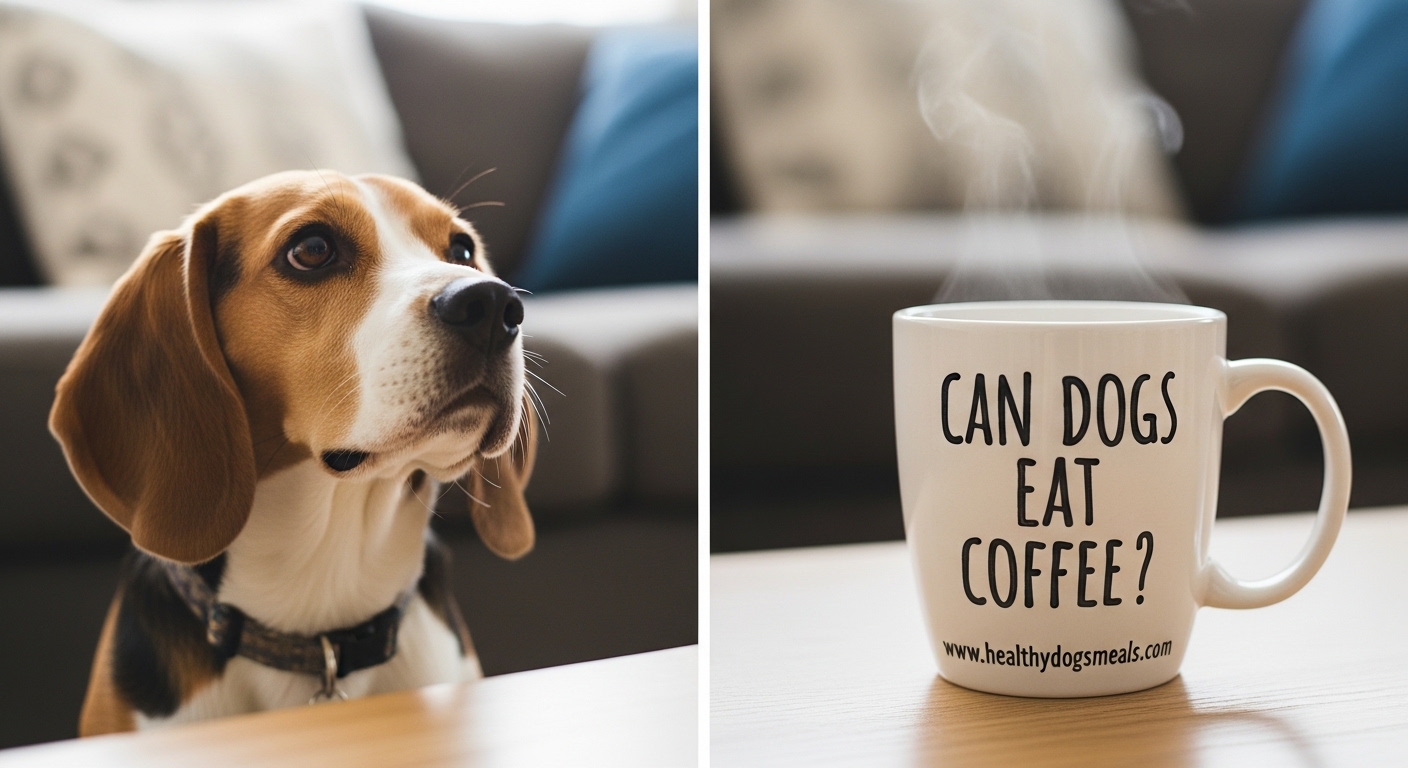
No — dogs cannot eat or drink coffee. Coffee is toxic to dogs. It contains caffeine, a powerful stimulant that dogs cannot metabolize safely. Even a small amount can cause rapid heart rate, tremors, and in severe cases, seizures or death. Unlike humans, a dog’s body processes caffeine very slowly, allowing it to build to dangerous levels in the bloodstream quickly.
This is not a “small amounts are okay” situation like cheese or bread. There is no safe amount of coffee for dogs. Every form — brewed coffee, espresso, coffee grounds, coffee beans, and even decaf — poses a genuine risk.
⚠️ Emergency Notice: If your dog just ate coffee grounds, coffee beans, or drank a significant amount of coffee — stop reading and call your vet or the Pet Poison Helpline immediately at 855-213-6680.
Quick Reference: Coffee Toxicity in Dogs
| Question | Answer |
|---|---|
| Is coffee safe for dogs? | ❌ No — caffeine is toxic to dogs |
| What makes coffee toxic? | Caffeine (a methylxanthine stimulant) |
| Are coffee grounds dangerous? | ✅ Yes — more dangerous than brewed coffee |
| Is decaf coffee safe? | ❌ No — still contains caffeine traces + acidity |
| When do symptoms appear? | Within 30–60 minutes of ingestion |
| What should I do if my dog drank coffee? | Call your vet or Pet Poison Helpline immediately |
| Emergency helpline | 855-213-6680 (Pet Poison Helpline) |
Why Is Coffee Toxic to Dogs?
The Science of Caffeine Poisoning
Caffeine belongs to a group of chemical compounds called methylxanthines. When humans drink coffee, our liver processes caffeine relatively quickly. Dogs lack the same metabolic efficiency. Their bodies break down caffeine far more slowly, meaning it stays in their system long enough to reach toxic concentrations in the bloodstream.
Once caffeine enters a dog’s system, it:
- Overstimulates the central nervous system, causing hyperactivity, restlessness, and tremors
- Forces the heart to beat abnormally fast (tachycardia) and can trigger irregular rhythms (arrhythmias)
- Raises blood pressure to dangerous levels
- Irritates the gastrointestinal tract, causing vomiting and diarrhea
- Acts as a diuretic, contributing to dehydration
According to VCA Animal Hospitals, symptoms of caffeine toxicity in dogs can begin within 1 to 2 hours of ingestion and can persist for 12 to 36 hours. Ingestion of even one or two caffeine pills can be fatal for small dogs.
The Pet Poison Helpline confirms that all forms of coffee — whole beans, grounds, brewed, and espresso — pose a risk to dogs, and any suspected ingestion warrants an immediate call for guidance.
How Much Coffee Is Dangerous for a Dog?
The toxicity depends on three things: the form of coffee, the amount consumed, and the dog’s size.
Caffeine Content by Coffee Type
| Coffee Form | Approximate Caffeine Content | Danger Level |
|---|---|---|
| Brewed coffee (8 oz) | ~95–100 mg | High |
| Espresso (1 shot / 1 oz) | ~63 mg | Very High |
| Instant coffee (1 tsp) | ~30–90 mg | High |
| Coffee grounds (1 tsp) | ~60–100+ mg | Extremely High |
| Coffee beans (per bean) | ~6–12 mg | High per unit |
| Decaf coffee (8 oz) | ~2–15 mg | Low-Moderate |
⚠️ Key fact: Coffee grounds — even used ones from your trash — contain a higher concentration of caffeine per gram than brewed liquid coffee. A dog that raids the kitchen bin and eats spent grounds is at serious risk.
Toxicity by Dog Size
According to Driftaway Coffee’s veterinary research summary, caffeine becomes lethal to dogs at concentrations of approximately 150 mg per kilogram of body weight. To put this in perspective:
| Dog Size | Weight | Amount of Brewed Coffee to Cause Concern |
|---|---|---|
| Toy/Teacup | 2–4 lbs (1–2 kg) | A few tablespoons |
| Small breed | 10–15 lbs (4.5–7 kg) | Less than half a cup |
| Medium breed | 30–50 lbs (14–23 kg) | 1–2 cups |
| Large breed | 70–90 lbs (32–41 kg) | Multiple cups |
Important caveat: These figures represent when severe toxicity becomes likely — not when it becomes safe. Any amount of caffeine can cause symptoms. Small dogs and puppies are disproportionately vulnerable.
Signs and Symptoms of Caffeine Poisoning in Dogs
Recognizing the symptoms of caffeine toxicity early dramatically improves your dog’s outcome. According to the American Kennel Club, symptoms typically appear within 30 to 60 minutes of consumption.
Mild to Moderate Symptoms (seen with smaller exposures)
- Restlessness and pacing — your dog cannot settle
- Hyperactivity or unusual excitement
- Excessive panting
- Whimpering or vocalizing
- Vomiting
- Diarrhea
- Increased urination (diuretic effect)
- Elevated heart rate
- Muscle twitching
Severe Symptoms (emergency — call vet immediately)
- Tremors or uncontrollable shaking
- Seizures
- Collapse or inability to stand
- Difficulty breathing
- High blood pressure
- Cardiac arrhythmias (irregular heartbeat)
- Loss of consciousness
🚨 If your dog shows any severe symptoms, this is a veterinary emergency. Do not wait. Call your vet or the Pet Poison Helpline (855-213-6680) right now.
As PetMD notes, eating coffee beans or grounds is significantly worse for dogs than drinking brewed coffee — and you should never attempt to induce vomiting without a veterinarian’s guidance, as this can cause additional complications.
What to Do If Your Dog Ate Coffee or Coffee Grounds
Acting quickly is essential. Follow these steps:
Step 1: Remove the Source
Immediately secure any remaining coffee, grounds, or beans so your dog cannot ingest more.
Step 2: Estimate the Amount
Try to determine:
- What form (grounds, beans, brewed coffee, decaf, flavored latte?)
- How much (a lick? A full cup? A handful of grounds?)
- What time it happened
- Your dog’s approximate weight
This information will help your vet determine the appropriate treatment.
Step 3: Check for Additional Toxic Ingredients
If it was a coffee drink (latte, flavored coffee, syrup-based beverage), check immediately for:
- Xylitol — an artificial sweetener used in sugar-free syrups and creamers. Xylitol is more toxic than caffeine to dogs and causes rapid blood sugar crashes and liver failure
- Chocolate or cocoa — mochas and mocha-flavored drinks double the toxic threat with theobromine
- Macadamia nuts — sometimes found in flavored coffee products; toxic to dogs
Step 4: Call for Help — Do Not Wait
Contact one of the following immediately:
- Your veterinarian
- Pet Poison Helpline: 855-213-6680 (available 24/7)
- ASPCA Animal Poison Control Center: 888-426-4435 (fee may apply)
❌ Do NOT induce vomiting unless specifically instructed by a vet. Doing so incorrectly can cause aspiration pneumonia or make things worse.
Step 5: Monitor Closely
Even if your vet advises monitoring at home for a small exposure, watch your dog for at least 2 hours and note any changes in behavior, heart rate, or movement.
How Vets Treat Caffeine Poisoning
If your dog needs veterinary care for caffeine toxicity, treatment typically involves:
- Inducing vomiting (if the ingestion was very recent and under vet supervision)
- Activated charcoal — binds remaining caffeine in the gut to prevent further absorption
- IV fluids — to support kidney function, maintain blood pressure, and speed caffeine elimination
- Heart rate monitoring — cardiac arrhythmias are treated as needed
- Anti-seizure medication — if tremors or seizures develop
- Supportive care — until the caffeine clears the system (typically 24–48 hours)
According to MetLife Pet Insurance’s veterinary team, with prompt treatment most dogs make a full recovery. The key factor is how quickly treatment begins after ingestion.
Hidden Sources of Caffeine You May Not Think About
Coffee isn’t the only caffeine risk in your home. Dogs can be exposed to caffeine from many unexpected sources:
| Source | Caffeine Content | Risk Level |
|---|---|---|
| Coffee grounds (used or fresh) | High | 🔴 Very High |
| Coffee beans (raw, roasted, or chocolate-covered) | High | 🔴 Very High |
| Energy drinks (Red Bull, Monster) | Very High | 🔴 Very High |
| Tea bags (black, green) | Moderate | 🟠 High |
| Dark chocolate / cocoa | Moderate + Theobromine | 🔴 Very High |
| Soda (cola drinks) | Low-Moderate | 🟡 Moderate |
| Pre-workout supplements | Extremely High | 🔴 Extremely High |
| Some OTC cold medications | Variable | 🟠 High |
| Diet pills / caffeine tablets | Extremely High | 🔴 Extremely High |
📌 Related: Can Dogs Eat Tea? Essential Safety Guide for Dog Owners — tea contains caffeine AND theophylline, making it another significant danger for dogs.
Coffee vs. Tea vs. Chocolate: Which Is Most Dangerous?
All three contain methylxanthines, but they differ in potency and the specific compounds involved.
| Substance | Primary Toxin | Secondary Toxin | Danger Level |
|---|---|---|---|
| Coffee grounds | Caffeine (very high concentration) | — | 🔴 Extremely High |
| Brewed coffee | Caffeine | — | 🔴 High |
| Black tea | Caffeine + Theophylline | — | 🟠 High |
| Dark chocolate | Theobromine | Caffeine | 🔴 Very High |
| Milk chocolate | Theobromine (lower) | Caffeine (low) | 🟠 Moderate-High |
| Energy drinks | Caffeine + Guarana | Sugar/additives | 🔴 Extremely High |
📌 Related: Can Dogs Eat Bread? Essential Guide to Bread Safety — bread is a much safer human food for dogs, but still has important caveats worth knowing.
Safe Alternatives: What Can Dogs Drink Instead?
Your dog wants to be part of your morning routine — here are genuinely safe options:
1. Unsalted Bone Broth (Warm)
A low-sodium, unsalted bone broth served slightly warm in a mug is the closest thing to a safe “morning drink” experience for dogs. It provides collagen, amino acids, and hydration. Make sure it contains no onion or garlic (both toxic to dogs).
📌 Related: Fresh vs Rendered: What’s Really in Premium Dog Food? — understanding quality ingredients helps you choose the safest foods and supplements for your dog.
2. Plain Goat’s Milk (Unsweetened)
Goat’s milk is lower in lactose than cow’s milk and easier for most dogs to digest. A small splash is a safe, nutritious treat. Always choose unsweetened, plain varieties.
3. Fresh Water
Never underestimate this. Fresh, clean water is always the best hydration source for dogs. Change it daily and keep the bowl topped up.
4. Dog-Specific Bone Broth Toppers
Brands like The Honest Kitchen and Native Pet make powdered bone broth products formulated specifically for dogs. These can be mixed with warm water to create a safe, nourishing drink.
5. Diluted Goat’s Milk Kefir (Plain, Unsweetened)
Kefir contains beneficial probiotics that support gut health in dogs. A small amount diluted with water is well-tolerated by most dogs. Avoid any variety with added sweeteners.
Common Mistakes Dog Owners Make Around Coffee
Even responsible owners can make these slip-ups:
1. Leaving coffee grounds in an open bin Dogs are natural scavengers. Used grounds in an accessible trash can are one of the most common causes of caffeine poisoning at home. Always use a lidded bin.
2. Thinking decaf is completely safe Decaf coffee still contains 2–15 mg of caffeine per cup, plus acid that irritates dogs’ stomachs. It offers zero nutrition and should still be kept away from dogs.
3. Leaving mugs on low tables or the floor It takes seconds for a dog to lap up a forgotten cup of coffee. Keep drinks elevated and out of reach, especially during busy mornings.
4. Assuming large dogs are not at risk While large dogs have a higher tolerance than small breeds, caffeine can still cause cardiac arrhythmias, elevated blood pressure, and GI distress in bigger dogs — especially if they consume coffee grounds or beans.
5. Not warning guests Visitors may not know coffee is toxic to dogs. A quick reminder when hosting prevents accidents.
6. Forgetting about coffee-flavored foods Coffee ice cream, tiramisu, coffee cake, coffee-flavored chocolates, and espresso truffles all contain caffeine. Keep all of these away from dogs.
Decaf Coffee and Dogs: Is It Really Safer?
Many owners assume decaf is a harmless alternative. It is not. Here’s why:
- Still contains caffeine: Decaf coffee typically retains 2–15 mg of caffeine per 8 oz serving. While much lower than regular coffee, this is not zero — and small dogs can still be affected.
- High acidity: Coffee’s acidity irritates a dog’s gastrointestinal lining, causing stomach upset, reflux, and loose stools even without caffeine.
- No nutritional value: Decaf coffee provides nothing beneficial to dogs. There is no reason to ever offer it.
- Potential additives: Decaf drinks from coffee shops often include milk, syrups, artificial sweeteners, or whipped cream — all of which carry their own risks.
Verdict: Decaf coffee is still not safe for dogs. Keep it away just as you would regular coffee.
Can Dogs Eat Coffee Cake, Coffee Ice Cream, or Tiramisu?
No — all of these are dangerous:
Coffee cake: Contains coffee flavoring or grounds, high sugar, butter, and sometimes raisins or nutmeg — both of which are independently toxic to dogs. Raisins in particular can cause acute kidney failure.
Coffee ice cream: Contains caffeine, high sugar, dairy, and often chocolate. A triple threat for dogs.
Tiramisu: Made with espresso-soaked ladyfingers and mascarpone. The espresso content alone makes this extremely dangerous. Also contains alcohol (in some recipes) and high fat.
Coffee-flavored chocolates or espresso beans: The combination of caffeine and theobromine (from chocolate coating) makes these among the most dangerous coffee products for dogs.
📌 Related: Can Dogs Eat Pumpkin Seeds? Benefits, Risks & How to Serve Them Safely — for contrast, pumpkin seeds are a genuinely safe, nutritious snack for dogs when prepared properly.
How to Dog-Proof Your Home Against Caffeine Exposure
These simple steps can prevent a dangerous accident:
- Store coffee beans and ground coffee in sealed, airtight containers in high cupboards
- Use lidded trash cans in the kitchen — ideally ones dogs cannot open
- Never leave your coffee mug unattended on a low surface, table, or floor
- Remind all household members and visitors that coffee is toxic to dogs
- Keep energy drinks, pre-workout supplements, and caffeine tablets locked away
- Check ingredient labels of any “people food” before sharing with your dog — look for caffeine, guarana, and xylitol
📌 Related: Can Dogs Eat Onions? — onions are another extremely common household food that are genuinely toxic to dogs, with similar urgency.
Frequently Asked Questions
A single bean is unlikely to be fatal for a medium or large dog, but it can cause noticeable symptoms in small breeds and puppies. Any exposure should be monitored. Contact Pet Poison Helpline (855-213-6680) if you’re unsure.
A tiny lick from spilled coffee is unlikely to cause serious harm in a medium or large dog. Monitor for unusual behavior, restlessness, or vomiting. For very small dogs or puppies, err on the side of calling your vet.
Restlessness, inability to settle, hyperactivity, and elevated heart rate are typically the earliest signs. These usually appear within 30–60 minutes of ingestion.
Caffeine can persist in a dog’s system for 24–48 hours. Symptoms typically peak within the first few hours and gradually subside with proper treatment.
No. Coffee ice cream contains caffeine, high sugar, dairy, and often chocolate. All of these are problematic for dogs.
No. Coffee cake commonly contains coffee flavoring, high sugar, and sometimes raisins or nutmeg — both toxic to dogs.
Yes. Coffee grounds contain a significantly higher concentration of caffeine per gram than brewed liquid coffee. Even used grounds from your trash are dangerous.
Yes — with prompt veterinary care, most dogs recover fully. Speed of treatment is the most important factor. Do not wait to see if symptoms improve on their own.
No. There is no established “safe dose” of caffeine for dogs. All forms of coffee should be kept away from dogs entirely.
If it was a very small amount and a large dog, they may have processed it without issue. However, if you notice any behavioral changes, lethargy, or GI upset in the following 48 hours, contact your vet.
Final Verdict: Can Dogs Eat Coffee?
Absolutely not.
Coffee is one of the genuinely toxic foods for dogs — not just “not recommended” but actively dangerous. Caffeine overstimulates a dog’s nervous system and heart in ways that can be fatal without treatment. This applies to:
- ❌ Brewed coffee (any strength)
- ❌ Espresso
- ❌ Coffee grounds (fresh or used)
- ❌ Coffee beans (raw, roasted, or chocolate-covered)
- ❌ Instant coffee
- ❌ Decaf coffee
- ❌ Coffee-flavored foods (ice cream, cake, tiramisu)
- ❌ Energy drinks and pre-workout supplements
If your dog has consumed any coffee product, call your vet or the Pet Poison Helpline (855-213-6680) immediately. Early treatment leads to fast, full recovery in most cases.
Keep your beans sealed, your mugs elevated, and your bin lidded. That’s all it takes to keep your dog safe.
📌 Also read on Healthy Dogs Meals:
- Can Dogs Eat Tea? Essential Safety Guide for Dog Owners
- Can Dogs Eat Onions?
- Can Dogs Eat Bread? Essential Guide to Bread Safety for Dogs
- Can Dogs Eat Pumpkin Seeds? Benefits, Risks & How to Serve Them Safely
- Can Dogs Eat Cheese? Vet-Approved Guide to Safe Feeding
- Fresh vs Rendered: What’s Really in Premium Dog Food?
This content is for informational purposes only and does not substitute professional veterinary advice, diagnosis, or treatment. If you believe your dog has been poisoned, contact your veterinarian or an emergency animal hospital immediately.