Ivory Coat vs Black Hawk Dog Food: Ingredients, Price, Recall History & Which Is Better?
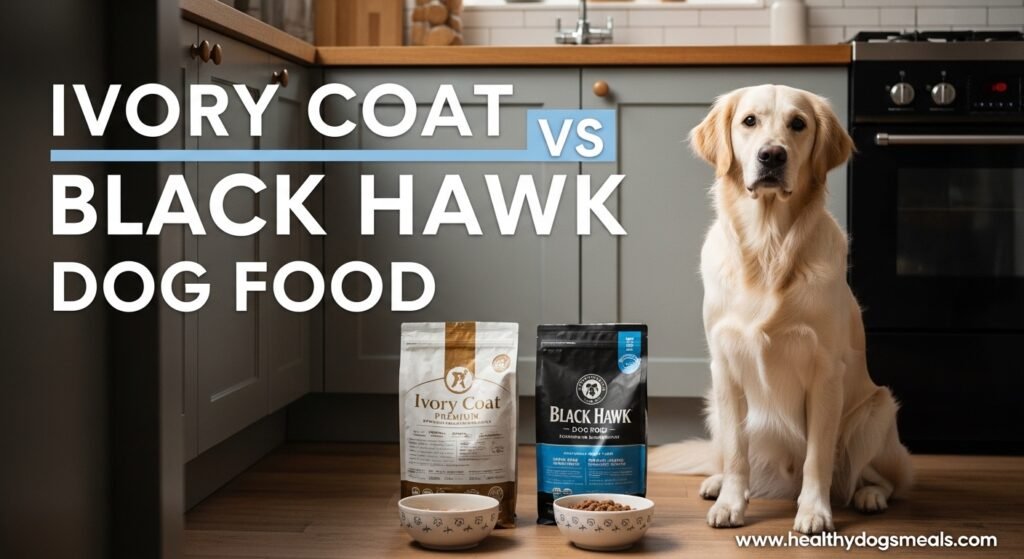
Choosing between Ivory Coat and Black Hawk often comes down to a choice between high-protein, grain-free specialization and a holistic, balanced approach to canine health. Both brands are proud Australian staples, but their formulations serve different nutritional needs depending on your dog’s activity level and digestive sensitivity.
The quick answer is that Ivory Coat is generally better for owners seeking a high-protein, grain-free diet with “superfood” inclusions like kale and blueberries. Black Hawk is often the better choice for everyday health, utilizing a more moderate protein balance and its signature emu oil to support skin and coat health.
Quick Facts: Ivory Coat vs. Black Hawk Comparison
- Protein Philosophy: Ivory Coat typically offers higher crude protein (30–32%), while Black Hawk maintains a moderate range (22–28%) ideal for standard activity levels.
- Signature Ingredients: Ivory Coat uses a “Superfood Blend” (apples, kale, blueberries); Black Hawk is famous for its Emu Oil inclusion.
- Manufacturing: Both are Australian-made. Ivory Coat is produced by The Real Pet Food Co; Black Hawk is part of the Masterpet family.
- Recall History: Black Hawk had a voluntary 2020 recall for mold; Ivory Coat has faced consumer reports regarding consistency but no recent major mandatory recalls.
- Grain Options: Ivory Coat is a leader in grain-free nutrition; Black Hawk offers both comprehensive grain-free and grain-inclusive (rice and oats) lines.
- Target Audience: Ivory Coat targets high-energy or sensitive dogs; Black Hawk is a holistic “all-rounder” for the average family pet.
Introduction: Selecting the Best Australian-Made Fuel
For dog owners in 2026, the “Australian Made” label is more than just a point of pride—it is a marker of high manufacturing standards and locally sourced ingredients. Ivory Coat and Black Hawk have both built massive followings by moving away from cheap supermarket fillers and focusing on meat-first recipes.
However, despite their similarities, they are not interchangeable. One leans into the “Ancestral” high-protein trend, while the other prioritizes a holistic, fat-balanced approach. This guide will compare their ingredients, price points, and safety records to help you decide which bowl is right for your furry friend.
What Is Ivory Coat vs. Black Hawk?
What is Ivory Coat?
Ivory Coat is a premium Australian pet food brand that focuses on “Natural Health.” They are best known for their grain-free kibble that features Australian meat as the primary ingredient. Their formulas are designed to be nutrient-dense, often utilizing a dual-protein approach (combining fresh meat with dehydrated meat meals) to ensure high amino acid profiles.
What is Black Hawk?
Black Hawk began as a grassroots movement among breeders looking for a better alternative to mass-produced kibble. Its “Every Ingredient Counts” philosophy centers on a holistic diet. By using emu oil and avoiding wheat, corn, and soy, Black Hawk aims to support the dog’s internal health, which then reflects in their external coat and energy.
Why Is This Comparison Important for Your Dog?
Not every dog needs a high-protein diet. Feeding a high-protein food like Ivory Coat to a sedentary senior dog might lead to unwanted weight gain, while feeding a moderate-protein food to a working cattle dog might leave them lacking energy.
Choosing between these two brands allows you to match the nutritional density of the food to your dog’s specific lifestyle. Furthermore, both brands use different carbohydrate sources—Ivory Coat leans on tapioca and peas, while Black Hawk often uses oats and rice—which can affect dogs with specific grain or starch sensitivities.
What Ingredients Should You Look For?
1. High-Quality Protein Meals
Both brands use meat meals (e.g., Chicken Meal, Lamb Meal). In 2026, Ivory Coat has introduced “meat-injected” technology, which mixes raw meat into the kibble-making process for better taste.
2. Functional Fats
- Black Hawk’s Emu Oil: This is a powerhouse of Omega 3, 6, and 9. It is excellent for “itchy” dogs or those with dull coats.
- Ivory Coat’s Salmon Oil: Provides DHA and EPA, which are vital for brain health and joint support.
3. “Superfoods” and Prebiotics
Ivory Coat includes a specific blend of tomatoes, apples, carrots, and kale. Both brands use Chicory Root (Inulin), a natural prebiotic that feeds the “good” bacteria in your dog’s gut for firmer stools.
What Should You Avoid?
While both brands are “premium,” dog owners should always check for specific sensitivities:
- Pea Fiber/Legumes: Used heavily in grain-free versions of both brands. Some dogs may experience increased gas or soft stools when consuming high amounts of peas or lentils.
- Tapioca: Found in Ivory Coat as a grain-free starch. While safe, it is a high-glycemic carb that provides energy but lacks the fiber found in Black Hawk’s oats.
- Beet Pulp: Occasionally used in Black Hawk recipes as a fiber source. It is safe but considered a “filler” by some purists.
Comparison Section: Nutritional Breakdown
| Feature | Ivory Coat (Grain-Free Adult) | Black Hawk (Original Adult) |
| Protein Content | 30% – 32% (High) | 22% – 25% (Moderate) |
| Fat Content | 14% – 16% | 12% – 15% |
| Primary Carbs | Tapioca, Peas, Sweet Potato | Rice, Oats |
| Star Ingredient | Kale & Blueberries | Emu Oil |
| Kibble Texture | Denser, crunchier | Slightly oilier, medium-size |
Safety Guidelines & Recall History
Pet food safety is paramount. In the Australian market, recalls are voluntary but are a sign of a company’s transparency.
Black Hawk Recall History
In 2020, Black Hawk issued a voluntary recall for several batches of kibble. The issue was a manufacturing breakdown that allowed for higher moisture levels, leading to mold growth in some bags. The company was praised for its rapid response and immediate replacement policy. No major safety issues have been reported in 2024, 2025, or 2026.
Ivory Coat Safety Reports
Ivory Coat has not had a large-scale mandatory recall in recent years. However, in 2025 and early 2026, there were clusters of consumer reports on advocacy platforms like APOG (Australian Pet Owners Group) regarding “batch inconsistency.” Some owners reported gastrointestinal upset (vomiting/diarrhea) following recipe tweaks. While the company maintains all batches meet AS5812 safety standards, sensitive dogs may require a longer transition period.
commonly considered Options (General Guidance)
When choosing between the two, general guidance suggests:
- Choose Ivory Coat if your dog is highly active, an athlete, or has a confirmed wheat/grain allergy. The higher protein supports muscle repair and recovery.
- Choose Black Hawk for the average family dog or dogs with skin issues. The moderate protein and emu oil are designed for “whole-of-life” maintenance without overtaxing the kidneys.
Recommended Products: Safe Options for Your Dog
If you are looking for high-quality, Australian-made nutrition, these products meet AAFCO standards and use premium protein sources.
1. Black Hawk Original Lamb & Rice
A classic choice for dogs with sensitive stomachs. Lamb is a gentle protein, and the inclusion of rice and oats provides steady, long-lasting energy.
2. Ivory Coat Grain-Free Chicken
One of the most popular grain-free options in Australia. It features 32% protein and is enriched with superfoods to support a strong immune system.
3. Black Hawk Grain-Free Kangaroo
An excellent “novel protein” choice. Since many dogs haven’t eaten kangaroo before, it is perfect for those with mystery food allergies that cause skin redness or itching.
Affiliate Disclosure: This article may contain affiliate links. If you purchase through these links, we may earn a small commission at no extra cost to you. We only recommend brands that maintain high quality-control standards.
Common Mistakes Dog Owners Make
- Overfeeding High-Protein Food: Because Ivory Coat is so nutrient-dense, you often need to feed less than you would with a cheaper brand. Check the feeding guide!
- Improper Storage: Black Hawk’s emu oil is sensitive to heat. Store your bags in a cool, dry place inside an airtight container to prevent the fats from going rancid.
- Skipping the Transition: Moving between Ivory Coat and Black Hawk requires a 7–10 day transition. Their carb sources (tapioca vs. rice) are very different and can cause “tummy shock” if swapped overnight.
FAQ Section
Neither is objectively “better”—it depends on your dog. Ivory Coat is superior for high-protein needs, while Black Hawk is superior for skin health and holistic balance.
Ivory Coat was originally Australian-owned but was acquired by The Real Pet Food Co. While it is still Australian-made, the ownership structure has changed over the years.
Black Hawk gained fame for its use of emu oil and its “meat-first” recipes that were significantly better than the grain-heavy supermarket brands available at the time.
Any high-protein, grain-free food can cause loose stools if the dog isn’t transitioned slowly or if they have a sensitivity to legumes like peas.
Black Hawk is generally considered “affordable premium” and is often slightly cheaper per kilogram than Ivory Coat’s grain-free ranges.
Not necessarily. Unless your dog has a specific grain allergy, whole grains like brown rice and oats (found in Black Hawk) provide excellent fiber and energy.
Final Recommendation: Which Should You Choose?
- Buy Ivory Coat if: Your dog is a high-energy breed, you prefer grain-free “superfood” ingredients, or your dog needs a very high protein intake.
- Buy Black Hawk if: Your dog has itchy skin, you want a balanced holistic diet, or you are looking for the best value-for-money premium Australian brand.
Medical Disclaimer: This content is for informational purposes only and is not a substitute for professional veterinary advice, diagnosis, or treatment.