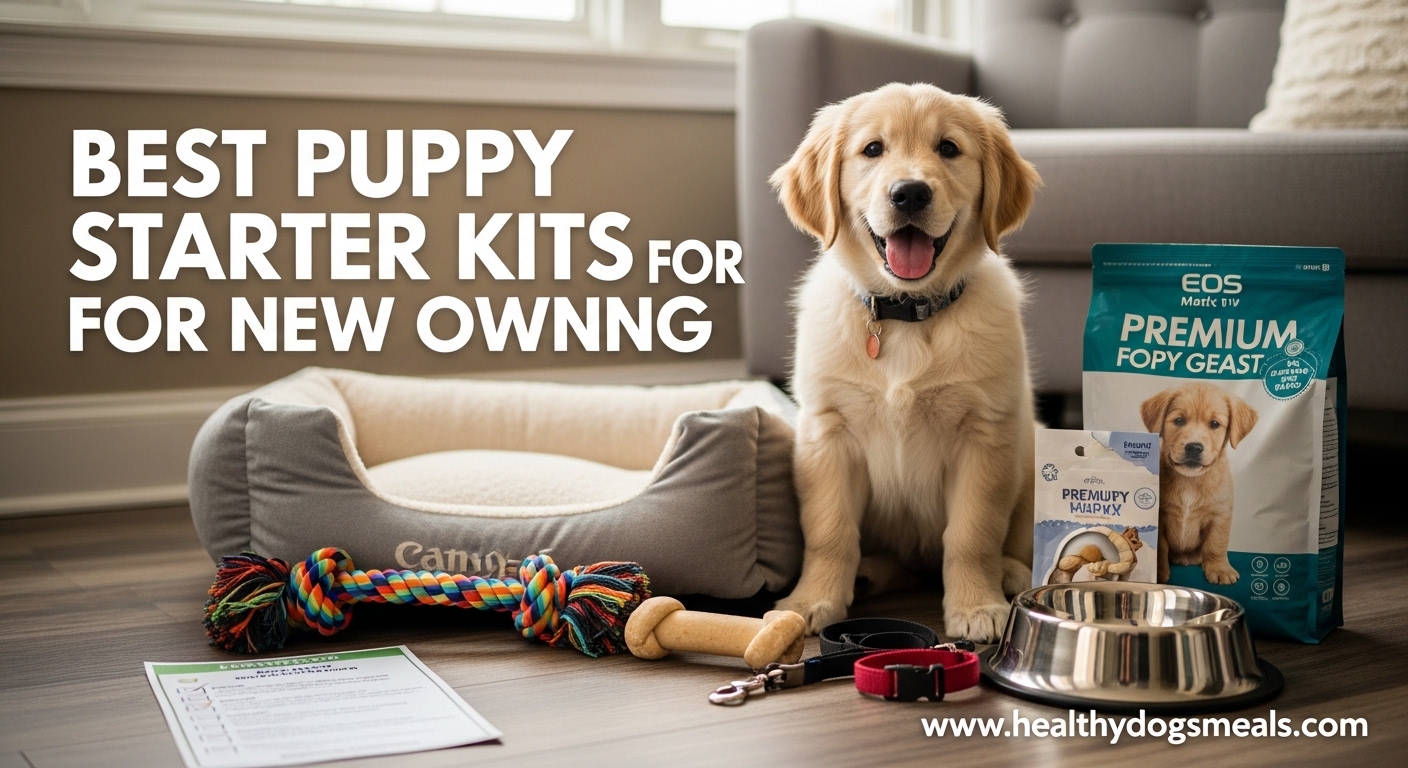
The best puppy starter kits provide essential supplies like high-quality puppy food, durable chew toys, grooming tools, and training aids in one convenient bundle. For new dog owners, these kits simplify the transition by ensuring you have age-appropriate, safe products that meet a puppy’s specific nutritional and developmental needs from day one.
Quick Facts: Essential Puppy Kits
- Convenience: All-in-one packs save time by bundling bowls, leashes, and beds.
- Nutrition: Premium kits include AAFCO-compliant puppy food rich in DHA for brain development.
- Safety: High-quality starter kits prioritize BPA-free plastics and non-toxic toy materials.
- Cost-Effective: Purchasing a bundle is usually 15–20% cheaper than buying items individually.
- Training Focus: Many beginner kits include clickers and high-value training treats.
- Size Specific: Kits are often categorized by breed size (Small, Medium, or Large) to ensure safety.
Introduction: Welcoming Your New Best Friend
Bringing a puppy home is one of life’s most exciting milestones. However, for a first-time owner, the sheer volume of “must-have” supplies can be overwhelming. From choosing the right kibble to finding a harness that fits, the “to-do” list is long. This is where a puppy starter kit for new dog owners becomes a lifesaver.
In 2026, the pet industry has moved toward more specialized, high-quality bundles. Instead of just “cheap plastic toys,” modern kits focus on beginner puppy care that supports health, safety, and early socialization. This guide will walk you through the must-have puppy supplies checklist and help you find an all-in-one puppy starter kit that sets your new companion up for a lifetime of health.
What Is a Complete Puppy Starter Pack?
A complete puppy starter pack is a curated collection of gear designed to cover a puppy’s needs for the first 30 to 60 days. These kits are not just about toys; they are about providing the foundational tools for a successful transition from the breeder or shelter to your living room.
A standard high-quality kit typically includes:
- Feeding Supplies: Slow-feeder bowls or stainless steel dishes.
- Nutrition: A starter bag of age-appropriate puppy food.
- Comfort: A washable crate pad or small puppy bed.
- Hygiene: Puppy-safe shampoo, ear wipes, and waste bags.
- Development: Teething toys and basic training treats.
Why Is a Puppy Starter Kit Important?
For first-time owners, a starter kit removes the guesswork. Puppies are biologically different from adult dogs—they have sharper “needle” teeth, sensitive stomachs, and a rapidly developing brain.
Using a beginner puppy care kit ensures that:
- Safety First: You aren’t accidentally giving a 2-pound puppy a toy meant for a 50-pound adult dog (which could be a choking hazard).
- Nutritional Integrity: Starter kits often include food samples that are high in protein and healthy fats, preventing the growth issues associated with “all-life-stages” food.
- Routine Building: Having all your tools ready on day one allows you to start crate training and potty training immediately, which is vital for long-term behavior.
What Ingredients Should You Look For in Puppy Food?
Many puppy starter kits with food include a small bag of kibble or wet food. When reviewing the food included in your kit, check the label for these “Gold Standard” ingredients:
1. Named Animal Proteins
Look for “Chicken Meal,” “Lamb,” or “Salmon.” Puppies need high-quality protein to build muscle and tissue. Avoid kits that list vague terms like “Meat By-Products.”
2. DHA (Docosahexaenoic Acid)
This is an Omega-3 fatty acid found in fish oil. It is critical for brain and vision development. Puppies that receive adequate DHA are often easier to train.
3. Balanced Calcium and Phosphorus
For large breed puppies, this balance is crucial. It ensures their bones don’t grow too fast, which can lead to joint issues later in life.
4. Natural Prebiotics
Look for beet pulp or chicory root. These help a puppy’s developing digestive system process food efficiently and result in firmer stools.
What Should You Avoid in a Starter Kit?
Not all kits are created equal. When searching for affordable puppy starter kits in India or elsewhere, avoid bundles that contain:
- Rawhide Chews: These are difficult for puppies to digest and can cause life-threatening blockages.
- Small Plastic Parts: Avoid toys with “squeakers” that are easily chewed out or eyes that can be swallowed.
- Fragrance-Heavy Grooming Products: Puppy skin is highly sensitive. Avoid shampoos with heavy perfumes or dyes that can cause “hot spots.”
- High-Sugar Treats: Training treats should be meat-based. Avoid those with corn syrup or artificial colors (Red 40, etc.).
Nutritional Breakdown: Puppy vs. Adult Requirements
| Nutrient | Puppy Needs (Growth) | Adult Dog Needs | Why it matters |
| Protein | 22% – 28% | 18% – 22% | Supports rapid tissue growth |
| Fat | 8% – 15% | 5% – 10% | Provides high energy for play |
| Calcium | Higher (Controlled) | Moderate | Builds strong bones and teeth |
| Kcal/cup | Higher (Dense) | Moderate | Puppies burn energy quickly |
Safety Guidelines: First Week Essentials
When you unbox your beginner puppy care kit, follow these safety steps:
- Sanitize Bowls: Wash new stainless steel or ceramic bowls with hot, soapy water before the first meal.
- Toy Inspection: Tug on the parts of any plush toys to ensure they won’t rip off during the first play session.
- Slow Introduction: If your kit includes food that is different from what the breeder used, mix it 25/75 for the first few days to avoid an upset stomach.
- Crate Placement: Put the kit’s bedding in a quiet corner. This gives the puppy a “safe zone” when they feel overwhelmed.
Vet Recommendations for New Owners
While a starter kit provides the hardware, veterinary professionals recommend focusing on the “software” of puppy care—health and socialization.
- Schedule a Check-up: Take your new puppy (and their food label) to a vet within 48 hours of arrival.
- Vaccination Readiness: Use the leash and collar from your kit to keep them safe during vet visits, but avoid high-traffic “dog parks” until they are fully vaccinated.
- Heartworm/Flea Prevention: Many kits don’t include medication. Ask your vet for a puppy-safe preventative immediately.
Recommended Products Section: 2026 Top Picks
Finding the best puppy starter kits depends on your budget and your dog’s size. Here are three highly-rated options that prioritize quality and safety.
1. The “Ultimate All-in-One” Luxury Kit
This kit often includes a high-quality harness, a microfiber towel, a plush “heartbeat” toy (to soothe separation anxiety), and a bag of grain-free, DHA-rich puppy kibble.
- Why it wins: It focuses on the emotional health of the puppy, not just physical gear.
2. The “Training & Treat” Starter Pack
Best for owners who have already bought the “big” items like crates. This kit focuses on puppy essentials kit list items like long-line leashes, treat pouches, and biodegradable poop bags.
- Why it wins: It encourages positive reinforcement training from day one.
3. Affordable Essential Kit (Best for India Market)
Focusing on value, these kits provide stainless steel bowls, a basic nylon collar/leash set, and durable rubber teething rings.
- Why it wins: It covers the basics without the “fluff,” making it an affordable puppy starter kit for those on a budget.
Affiliate Disclosure: This article may contain affiliate links. If you purchase through these links, we may earn a small commission at no extra cost to you. We only recommend products that meet AAFCO safety and nutritional standards.
Common Mistakes Dog Owners Make
- Buying the Wrong Size: A “Small” starter kit for a Great Dane puppy will be useless in two weeks. Always buy for the puppy’s current size but look for adjustable collars.
- Overwhelming the Puppy: Don’t give them all 10 toys from the pack at once. Rotate them to keep the puppy interested and prevent overstimulation.
- Ignoring the Food Label: Just because it’s in a “starter pack” doesn’t mean it’s the best food for your specific breed. Always check for a named protein source.
- Using Human Soap: Even if you run out of puppy shampoo from your kit, never use human dish soap or shampoo; it destroys the natural oils on their skin.
Comparison Section: All-in-One Kits vs. Individual Shopping
| Feature | All-in-One Starter Kit | Individual Shopping |
| Total Cost | $80 – $150 (Avg. 20% Savings) | $120 – $200+ |
| Time Spent | 5 Minutes | 2 – 3 Hours |
| Product Synergy | Guaranteed (Leash matches collar) | Varies |
| Customization | Low | High |
| Best For | First-time owners / Gifts | Experienced owners |
FAQ Section: Puppy Starter Kits
A basic kit should include a collar, leash, two bowls, a bed, teething toys, puppy-safe shampoo, waste bags, and age-appropriate puppy food.
Yes. Most kits offer a “bundle discount,” making them significantly cheaper than buying each item separately. They also ensure you don’t forget small essentials like nail clippers or ear wipes.
It is best to have the kit at your home at least 3 days before the puppy arrives. This allows you to “puppy-proof” the house and set up their feeding and sleeping stations.
Usually, yes. However, check that the treats are “soft-moist” for puppies with baby teeth. Avoid hard “bone” treats until their adult teeth have come in (around 6 months).
Look for kits that specifically mention “Large Breed.” These will have sturdier leashes, larger bowls, and food with a controlled calcium-to-phosphorus ratio to support slow bone growth.
Most “All-in-One” kits do not include the metal crate due to shipping sizes, but they almost always include the bedding and toys that go inside the crate.
Summary and Final Checklist
Starting your journey as a dog owner with a complete puppy starter pack is a smart move. It allows you to focus on bonding with your new pet rather than running to the store for a forgotten leash. Before you click “buy,” ensure the food is high-quality, the toys are size-appropriate, and the grooming supplies are chemical-free.
Medical Disclaimer: This content is for informational purposes only and is not a substitute for professional veterinary advice, diagnosis, or treatment.