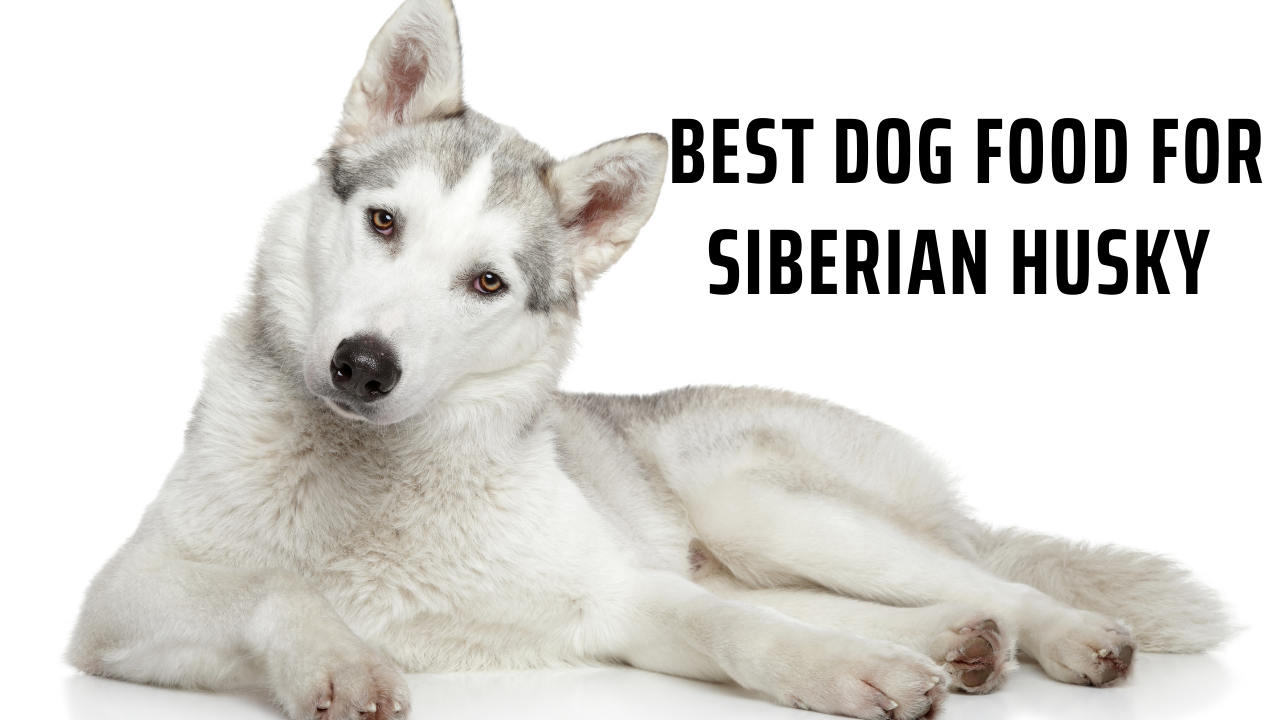
The best dog food for Siberian Husky is a high-quality, balanced formula with real animal protein, moderate healthy fats, and easily digestible ingredients. Huskies are active but efficient eaters, so they need nutrient-dense food that supports energy, coat health, and digestion without unnecessary fillers.
Quick Facts About Feeding Siberian Huskies
- Huskies are active but often eat less than other large breeds.
- High-quality protein supports lean muscle.
- Omega-3 fatty acids help maintain thick coats.
- Sensitive stomachs are common in some Huskies.
- Puppies need controlled growth formulas.
- Grain-free is optional, not required.
- Portion control prevents underfeeding or overfeeding.
Siberian Huskies are athletic, intelligent, and known for their striking appearance. Originally bred as sled dogs, they have strong endurance and a thick double coat. Choosing the best dog food for Siberian Husky is important to support their energy levels, coat condition, and digestive balance.
Interestingly, Huskies often eat less than other dogs of similar size. They are known for being efficient with calories. Because of this, their diet must be nutrient-dense and balanced rather than simply high in quantity.
In this guide from healthydogsmeals, you’ll learn:
- What makes a good Husky diet
- How to choose Husky puppy food
- Whether high protein food for Husky is necessary
- The best food for Husky sensitive stomach
- Pros and cons of grain free dog food for Husky
Let’s start with understanding their unique needs.
What Is the Best Dog Food for Siberian Husky?
The best dog food for Siberian Husky is a complete and balanced formula that:
- Lists real meat as the first ingredient
- Contains 22–28% protein
- Provides moderate healthy fats
- Includes omega-3 fatty acids
- Meets AAFCO nutritional standards
Because Huskies are active, protein quality matters more than excessive calorie content.
Why Is Proper Nutrition Important for Huskies?
Huskies are high-energy working dogs. Without proper nutrition, they may experience:
- Dull coat
- Low stamina
- Digestive upset
- Weight fluctuations
A balanced diet helps:
- Maintain lean muscle
- Support coat thickness
- Promote digestive comfort
- Provide steady energy
Proper feeding also supports long-term joint comfort.
Nutritional Breakdown: What Ingredients Should You Look For?
1️⃣ High-Quality Protein (22–28%)
Protein supports muscle strength and endurance.
Good sources include:
- Chicken
- Salmon
- Lamb
- Turkey
- Beef
High protein food for Husky may benefit very active dogs, but balance is important.
2️⃣ Moderate Healthy Fats (12–18%)
Fats provide energy and support coat health.
Look for:
- Fish oil
- Chicken fat
- Flaxseed
Omega-3 fatty acids are especially helpful for thick Husky coats.
3️⃣ Digestible Carbohydrates
Choose carbohydrates that are easy to digest:
- Brown rice
- Oats
- Sweet potatoes
- Barley
Avoid excessive fillers that offer little nutritional value.
4️⃣ Limited Ingredients for Sensitive Stomachs
Some Huskies have sensitive digestion.
When choosing the best food for Husky sensitive stomach, look for:
- Limited ingredient formulas
- Single protein sources
- No artificial additives
- Added probiotics
5️⃣ Controlled Calcium for Puppies
Husky puppy food should include:
- Balanced calcium and phosphorus
- DHA for brain development
- Moderate calorie density
Large breed puppy formulas are often appropriate.
Ingredient Comparison Table
| Nutrient | Why It Matters | Ideal Source |
|---|---|---|
| Protein | Muscle support | Salmon, chicken |
| Fat | Energy & coat | Fish oil |
| Fiber | Digestive support | Beet pulp |
| DHA | Brain development | Fish oil |
| Glucosamine | Joint support | Added supplement |
Husky Puppy Food: What Makes It Different?
Puppies grow quickly and require balanced nutrition.
Choose formulas labeled:
- “Large Breed Puppy”
- Balanced mineral levels
- 22–26% protein
- DHA included
Feed 3–4 small meals daily until around six months old.
High Protein Food for Husky
Because Huskies are active, many owners look for high protein food for Husky.
Benefits may include:
- Lean muscle maintenance
- Endurance support
- Recovery after activity
However, extremely high protein is not always necessary for less active Huskies.
Best Food for Husky Sensitive Stomach
Signs of sensitivity may include:
- Loose stools
- Gas
- Occasional vomiting
Helpful features:
- Limited ingredients
- Easily digestible carbohydrates
- Added probiotics
- No artificial preservatives
Transition new food gradually over 7–10 days.
Grain Free Dog Food for Husky: Is It Necessary?
Some owners choose grain free dog food for Husky.
Important considerations:
- Many Huskies digest whole grains well.
- Grain-free is helpful only if sensitivity is suspected.
- Overall ingredient quality matters more than grain content.
Consult a veterinary professional if ongoing digestive issues occur.
Dry vs Wet Food Comparison
| Feature | Dry Food | Wet Food |
|---|---|---|
| Convenience | Easy storage | Requires refrigeration |
| Dental support | Helps reduce plaque | Minimal effect |
| Cost | More affordable | Higher cost |
| Moisture | Lower | Higher |
Most Husky owners use high-quality dry food as the main diet.
Recommended Products
Below are examples of well-known formulas that meet quality standards.
1️⃣ Royal Canin Siberian Husky Adult
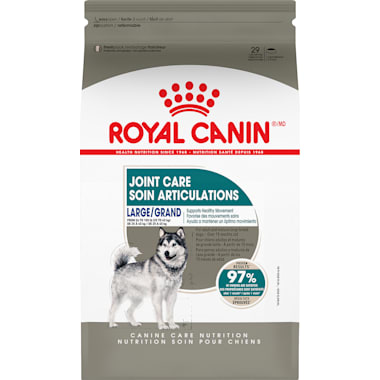
- Breed-specific formula
- Supports coat health
- Balanced nutrient profile
- AAFCO-compliant
2️⃣ Purina Pro Plan Sport

- Higher protein option
- Designed for active dogs
- Balanced fat levels
3️⃣ Blue Buffalo Wilderness Adult
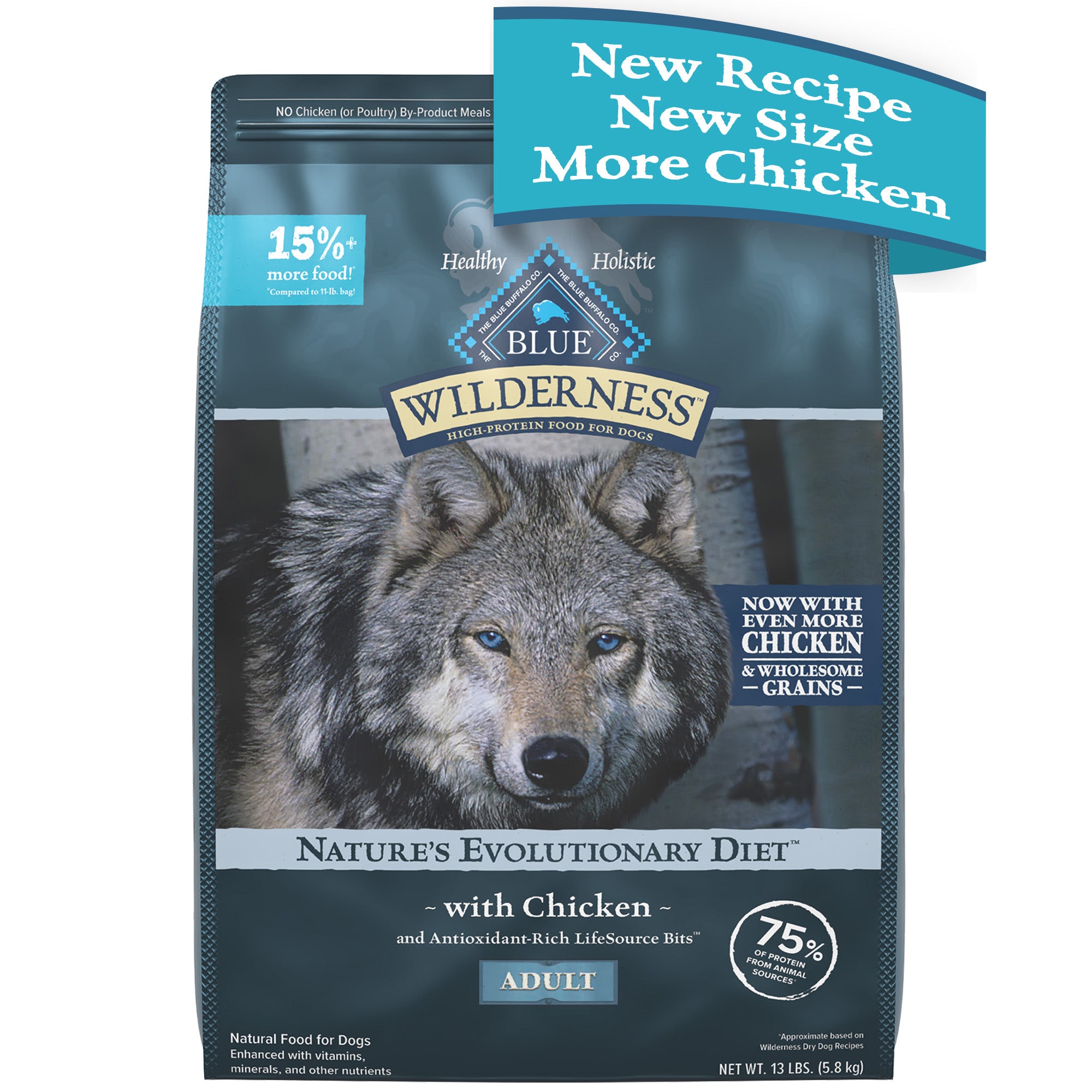
- Real meat first ingredient
- Grain-free option available
- No artificial preservatives
Affiliate Disclosure: This article may contain affiliate links. If you purchase through these links, we may earn a small commission at no extra cost to you.
Common Mistakes Husky Owners Make
- Assuming Huskies need excessive calories
- Overfeeding due to activity assumptions
- Switching food too quickly
- Ignoring sensitive stomach signs
- Choosing food based only on marketing
Observation and portion control are essential.
Safety Guidelines
- Transition new food slowly.
- Measure portions carefully.
- Provide fresh water daily.
- Monitor body condition regularly.
- Seek guidance before major dietary changes.
Are There Vet-Recommended Options?
Many veterinary professionals recommend:
- AAFCO-approved formulas
- Balanced protein and fat levels
- Life-stage appropriate feeding
- Digestibility-tested brands
Individual needs vary, so guidance is helpful when concerns arise.
Frequently Asked Questions
Large breed puppy formulas with balanced minerals are ideal.
Active Huskies may benefit from moderate to high protein.
Not necessarily. It depends on individual tolerance.
Most adults eat 2–3 cups daily, depending on activity.
Huskies are known for efficient metabolism.
Yes, some may require limited ingredient formulas.
High-quality dry food is commonly used.
Usually around 12–18 months.
Final Thoughts
The best dog food for Siberian Husky supports energy, coat health, and digestive comfort. Because Huskies are efficient eaters, focus on nutrient density rather than large portions.
Observe your dog’s weight, coat shine, and energy level regularly. Adjust portions as needed.
Medical Disclaimer:
This content is for informational purposes only and is not a substitute for professional veterinary advice, diagnosis, or treatment.