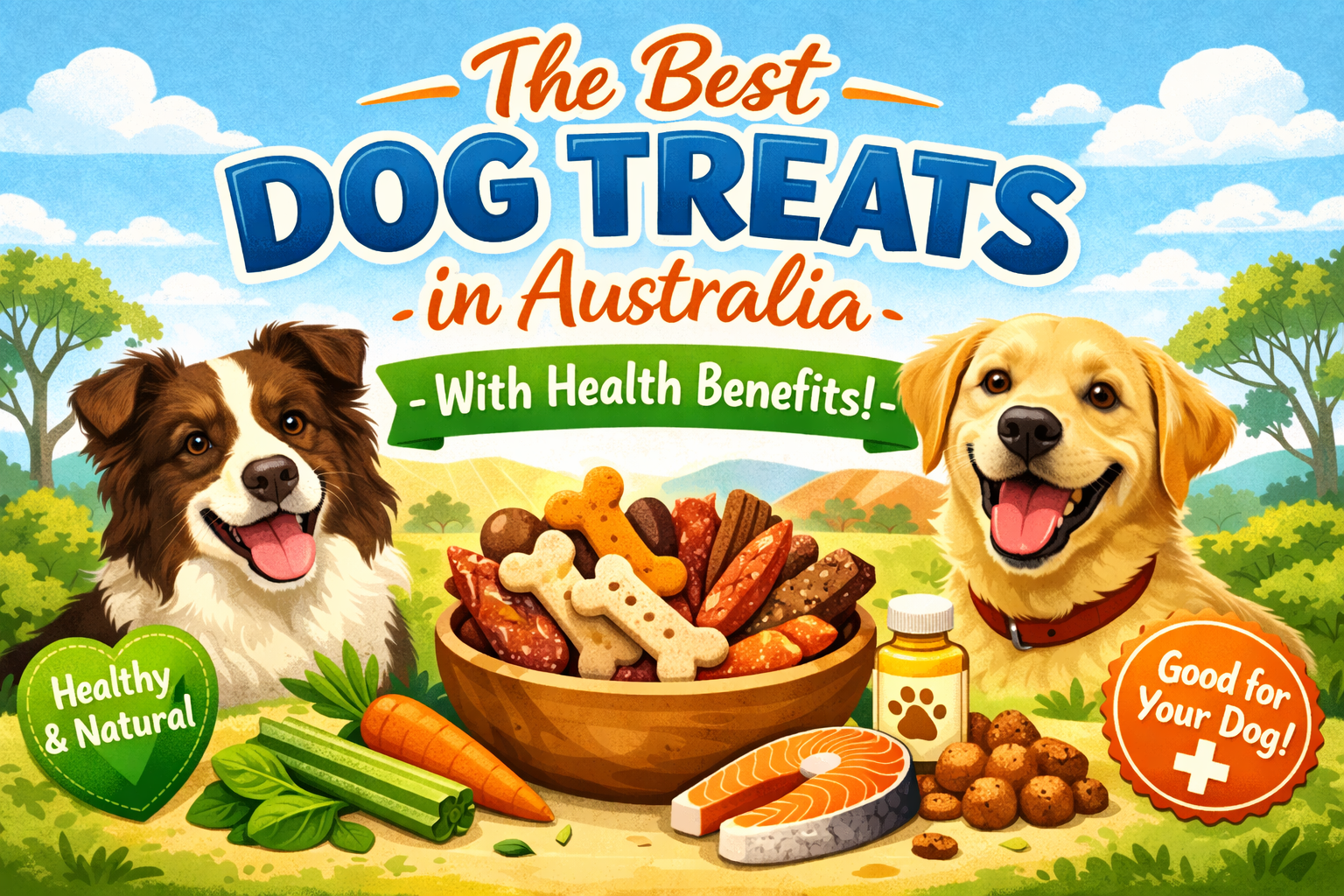
The best dog treats in Australia focus on single-ingredient, natural proteins like kangaroo, beef liver, or ocean fish. For maximum health benefits, choose air-dried or freeze-dried treats that preserve nutrients without artificial preservatives. These options support dental hygiene, joint health, and training goals while remaining low in inflammatory fillers.
Quick Facts: Healthy Dog Treats at a Glance
- Single-Protein Power: Ingredients like 100% Australian kangaroo are naturally hypoallergenic and ultra-lean (less than 5% fat).
- Minimal Processing: Air-dried and freeze-dried methods retain vitamins and minerals better than high-heat baking.
- Dental Heroes: Natural chews like kangaroo tendons or shark skin help scrape away plaque through mechanical chewing action.
- No Hidden Fillers: Premium treats exclude wheat, corn, soy, and added sugars, which can lead to weight gain and allergies.
- Functional Benefits: Look for added superfoods like green-lipped mussel for joints or pumpkin for digestive health.
- Ethical Sourcing: Many top Australian brands use human-grade, locally sourced meats that support local farmers.
Introduction: Why Your Treat Choice Matters
We often spend hours researching the perfect kibble, but we forget that treats can make up a significant portion of our dog’s daily intake. In Australia, the pet treat market is filled with everything from “junk food” biscuits to nutrient-dense superfoods.
Choosing the best dog treats in Australia isn’t just about finding something your dog will sit for—it’s about finding rewards that contribute to their longevity. From natural dog treats that clear up skin issues to dog dental treats that save you money on vet cleanings, the right snack can be a powerful tool in your dog’s wellness kit.
What Are Nutritious Dog Treats?
Nutritious treats are functional snacks that provide more than just empty calories. In the context of nutritious dog treats Australia, this typically refers to treats that are:
- Species-Appropriate: Primarily made of meat, organs, or cartilage.
- Bioavailable: Easily digested and absorbed by the canine gut.
- Low-Calorie: Small enough to be used frequently during training without causing obesity.
Unlike traditional biscuits which are often 70% flour, a nutritious treat acts as a mini-supplement for your dog’s diet.
Why Are Healthy Treats Important for Dogs?
Treats are often used as high-value rewards, but if those rewards are packed with sugar and preservatives, they can do more harm than good.
- Weight Management: With nearly 40% of Australian dogs being overweight, healthy dog treats Australia focus on lean proteins (like kangaroo) to prevent excess fat storage.
- Allergy Relief: Many dogs suffer from “itchy skin” caused by grain fillers or mystery meat by-products. Switching to grain free dog treats often resolves these environmental-looking symptoms.
- Mental Enrichment: Long-lasting natural chews provide “occupational therapy,” reducing anxiety and destructive behaviors through the release of endorphins during chewing.
What Ingredients Should You Look For?
When scanning labels at the pet store, the shorter the list, the better. Here are the “Gold Standard” ingredients:
1. 100% Australian Kangaroo
Kangaroo is a “novel” protein, meaning most dogs haven’t developed an allergy to it. It is incredibly high in iron and zinc, supporting a strong immune system.
2. Freeze-Dried Beef Liver
Liver is nature’s multivitamin. It is packed with Vitamin A, B vitamins, and folic acid. It is the ultimate high-value dog training treat because of its intense aroma.
3. Shark Skin & Cartilage
Sustainably sourced from Australian waters, these are rich in glucosamine and chondroitin. These compounds are essential for maintaining healthy cartilage in the joints of aging dogs.
4. Green-Lipped Mussel
Often found in organic dog treats Australia, these are a powerhouse of Omega-3 fatty acids, providing anti-inflammatory benefits for skin and joints.
What Should You Avoid?
Many “big brand” treats found in supermarkets are the canine equivalent of candy. Avoid these common offenders:
- Glycerine (Vegetable or Humectant): Used to keep treats soft and chewy, but often used to hide poor-quality ingredients.
- Propylene Glycol: A preservative used to maintain moisture that has no place in a healthy dog’s diet.
- Added Sugars & Syrups: Listed as glucose, cane sugar, or corn syrup. These contribute to dental decay and diabetes.
- Artificial Colors (Red 40, Yellow 5): Dogs are largely colorblind to these—the dye is only there to catch your eye, not theirs.
- Sodium Tripolyphosphate (STPP): Often found in dental chews, this chemical is used to reduce tartar but can be harsh on the digestive system.
Are There Vet-Recommended Options?
While most vets will encourage whole-food snacks like carrot sticks or plain boiled chicken, they often point toward specific categories of commercial treats:
- VOHC Approved: For dental health, look for the Veterinary Oral Health Council seal. This ensures the treat has been clinically proven to reduce plaque.
- Single-Protein Dehydrated Meats: Vets frequently recommend these for elimination diets when trying to identify food allergies.
- Probiotic Toppers: Some treats are specifically designed to seed the gut with healthy bacteria, which is excellent for dogs with chronic “soft stool.”
Nutritional Comparison: Treat Types in Australia
| Treat Type | Calorie Density | Main Benefit | Best For |
| Freeze-Dried Liver | High | High Protein/Vitamin A | High-stakes training |
| Kangaroo Jerky | Low | Low Fat/Hypoallergenic | Weight management |
| Dental Sticks (Natural) | Moderate | Tartar removal | Daily oral hygiene |
| Bully Sticks | Moderate | Mental enrichment | Power chewers |
| Baked Biscuits | Moderate/High | Satiety | Occasional reward |
Recommended Products Section (Affiliate Friendly)
Based on ingredient quality and AAFCO safety standards, these are the top picks for 2026:
- SavourLife Australian Kangaroo Training Treats: Not only are they grain-free and delicious, but 50% of profits go to rescue dogs.
- Prime100 SPD Sk-D200™ Kangaroo & Pumpkin: A single-protein treat that is scientifically formulated for dogs with extreme sensitivities.
- WAG Kangaroo Tendons: The ultimate natural dog treat Australia for dental health. They are tough, fibrous, and 100% natural.
- Bell & Bone Dental Sticks: A premium Australian-made dental chew that uses active ingredients like sodium tripolyphosphate and charcoal for fresh breath.
- Love’em Air-Dried Beef Liver: A budget-friendly, single-ingredient classic that never fails to get a dog’s attention.
Affiliate Disclosure: This article may contain affiliate links. If you purchase through these links, we may earn a small commission at no extra cost to you.
Common Mistakes Dog Owners Make
- The “Treat Avalanche”: Forgetting that treats have calories. If you do a heavy training session, you must reduce your dog’s dinner portion accordingly.
- Feeding Too Much Liver: While nutritious, liver is very rich. Too much can cause “vitamin A toxicity” or simply very loose stools. It should be a garnish, not a meal.
- Buying “Rawhide”: Traditional white rawhide is often processed with bleach and glue. It is a major choking hazard and can cause intestinal blockages. Stick to natural hides or tendons.
- Treating for Boredom: Giving a treat every time your dog looks at you can lead to “begging” behaviors. Use treats to reward actions, not just existence.
Safety Guidelines for Treating
- The 10% Rule: Treats should never exceed 10% of your dog’s total daily caloric intake.
- Supervise Chewing: Never leave a dog alone with a long-lasting chew (like a bully stick or bone) as they can become choking hazards when they get small.
- Freshness Check: Natural treats lack heavy preservatives. Check for any “off” smells or mold, especially in high-moisture air-dried products.
- Size Matters: Ensure the treat is appropriate for your dog’s mouth size. A tiny treat for a Great Dane might be swallowed whole, causing a hazard.
FAQ
The healthiest treats are single-ingredient, air-dried proteins like kangaroo, beef, or fish, which are free from grains, sugars, and artificial preservatives.
Yes, provided they are firm enough to provide mechanical scraping. Look for VOHC-approved treats or natural options like kangaroo tendons and shark skin.
Absolutely! Homemade dog treats Australia favorites include dehydrated sweet potato slices, plain boiled chicken, or frozen blueberries.
Puppies need soft treats that won’t damage their developing teeth. Freeze-dried meats or small “soft and chewy” specific puppy bites are ideal.
For dogs with skin allergies or sensitive stomachs, grain-free treats are often superior as they remove common inflammatory triggers like wheat and corn.
This depends on your dog’s weight. A general rule is that treats should only make up 10% of their daily calories. For a 20kg dog, this is roughly 70-100 calories.
Yes, but only if it is 100% peanuts. Never use peanut butter containing Xylitol (a sweetener), as it is highly toxic to dogs.
Conclusion: Quality Over Quantity
In the world of canine nutrition, the best dog treats in Australia are those that treat the body as well as the taste buds. By choosing natural dog treats and avoiding the chemical-laden options in the snack aisle, you are supporting your dog’s dental health, joint mobility, and weight. Remember, a treat is a message to your dog—make sure yours says “I love you” with high-quality ingredients.
Medical Disclaimer: “This content is for informational purposes only and is not a substitute for professional veterinary advice, diagnosis, or treatment.”