
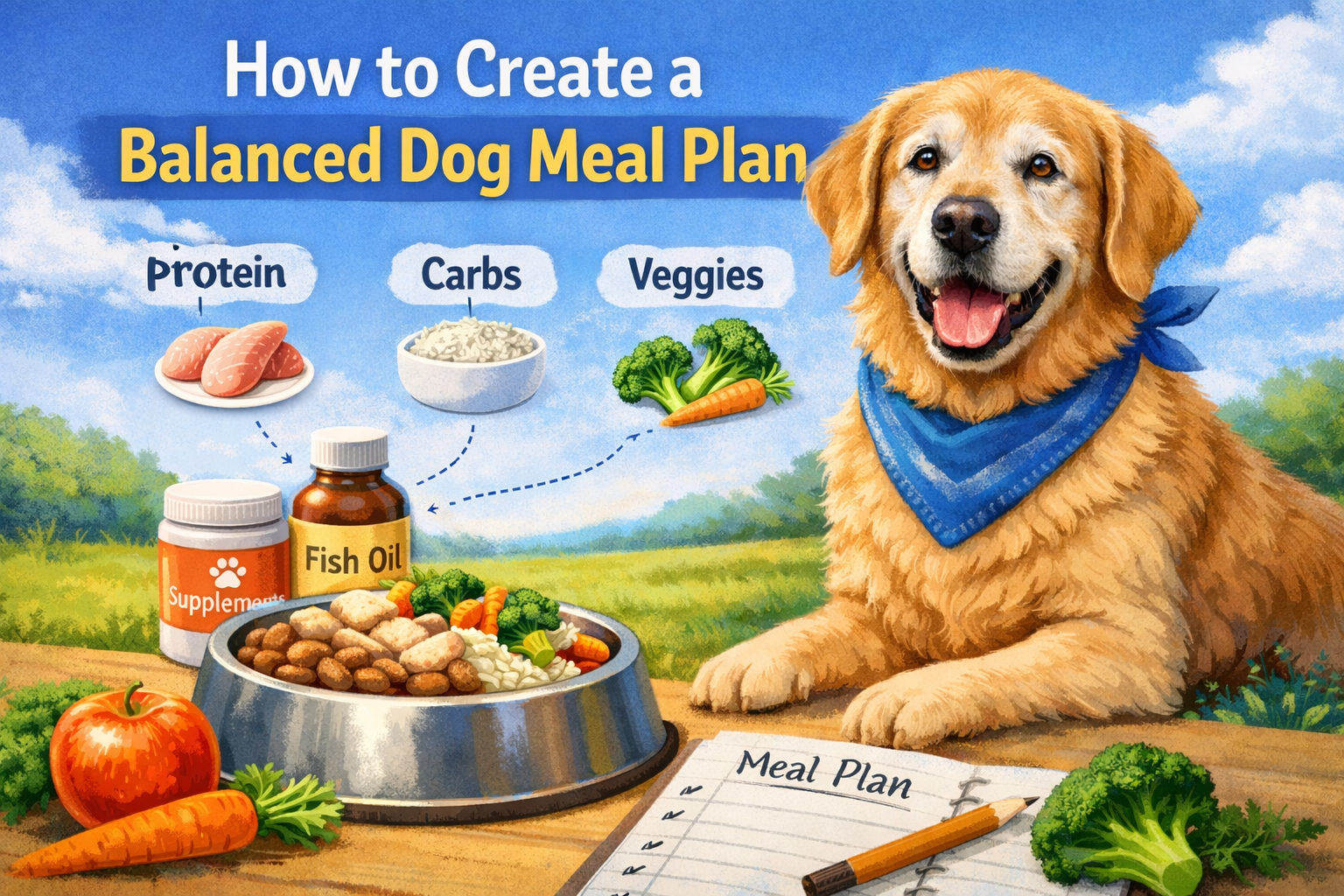
To create a balanced dog meal plan, you must combine high-quality animal proteins, healthy fats, and digestible carbohydrates with specific vitamins and minerals. A complete plan requires a precise ratio—typically 50-70% protein—to ensure your dog receives the essential amino acids and micronutrients needed for long-term health and energy.
Quick Facts: Homemade Dog Nutrition
- Protein is the Foundation: Always start with whole meats like chicken, beef, or turkey.
- Calcium is Non-Negotiable: Dogs need calcium (from bone meal or eggshells) to balance phosphorus in meat.
- Organ Meats Matter: Liver and kidneys provide essential fat-soluble vitamins not found in muscle meat.
- Vegetables Provide Fiber: Fiber from carrots or pumpkin supports healthy digestion and firm stools.
- Avoid “Kitchen Scraps”: Balanced meals require a recipe, not just leftovers from your dinner plate.
- Consult Professionals: Use recipes that meet AAFCO (Association of American Feed Control Officials) standards for completeness.
Every dog owner wants their furry friend to live a long, vibrant life. While commercial kibble is convenient, many people are looking for ways to take control of their pet’s health by learning how to create a balanced dog meal plan.
Preparing meals at home allows you to select the freshest ingredients and avoid mystery fillers. However, the transition from “feeding” to “nourishing” requires a bit of science. Without the right balance, a homemade diet can lead to nutritional deficiencies over time. This balanced dog diet guide will simplify the process so you can feel confident about what goes into your dog’s bowl.
What Is a Balanced Dog Meal Plan?
A balanced dog meal plan is a structured approach to feeding that ensures every necessary nutrient is present in the correct proportions over time. Unlike human “intuitive eating,” dogs rely on us to provide a specific chemical balance of calcium, phosphorus, amino acids, and fatty acids.
A homemade dog food nutrition plan isn’t just a bowl of chicken and rice. It is a carefully calculated mix of muscle meat, organ meat, fiber, and supplements that mimics the nutritional profile of a “complete” diet. When done correctly, it provides everything a dog needs to thrive without the use of artificial preservatives.
Why Is It Important for Dogs?
Dogs have biological needs that differ significantly from humans. Their digestive systems are designed to process high amounts of animal protein and fat, but they also require specific minerals for bone health.
- Muscle and Tissue Repair: High-quality proteins provide the building blocks for a strong heart and lean muscles.
- Skeletal Integrity: The correct ratio of calcium to phosphorus is vital, especially for growing puppies and senior dogs.
- Energy and Brain Function: Healthy fats keep the coat shiny and provide the energy needed for daily walks and play.
- Immune Support: Vitamins found in fresh vegetables and organs help the body fight off illness.
What Ingredients Should You Look For?
When building your plan, think of the bowl in four main quadrants: Protein, Organs, Fiber, and Fats.
High-Quality Muscle Meats
This should make up the largest portion of the meal. Lean options are usually best to prevent weight gain.
- Chicken and Turkey: Low-fat and highly digestible.
- Beef: Excellent source of iron and zinc.
- Fish: Provides protein and natural Omega-3s (always cook fish to remove parasites).
Essential Organ Meats
Think of organs as “nature’s multivitamins.”
- Liver: High in Vitamin A and copper.
- Heart: Actually a muscle, but rich in taurine for heart health.
- Kidney: Provides B vitamins and selenium.
Healthy Carbohydrates and Fiber
These help with energy and keeping the digestive tract moving.
- Pumpkin and Squash: Excellent for stool consistency.
- Blueberries: High in antioxidants.
- Sweet Potatoes: A great source of potassium and energy.
What Should You Avoid?
Creating a homemade dog food nutrition plan means knowing which “human foods” are dangerous.
- Onions and Garlic: These can cause oxidative damage to red blood cells.
- Grapes and Raisins: These are highly toxic to the kidneys.
- Macadamia Nuts: Can lead to weakness, vomiting, and tremors.
- Xylitol: This sweetener is often in peanut butter and is life-threatening for dogs.
- Cooked Bones: Unlike raw bones, cooked bones splinter easily and can puncture the digestive tract.
Nutritional Breakdown: The “Balance” Equation
A standard starting point for many adult dogs is the “70-10-10-10” rule for fresh feeding, though this can be adjusted based on your dog’s specific needs.
| Component | Target % | Common Sources |
| Muscle Meat | 70% | Chicken breast, lean beef, turkey thigh |
| Edible Bone/Calcium | 10% | Bone meal powder, crushed eggshells |
| Liver | 5% | Beef or chicken liver |
| Other Organs | 5% | Kidney, spleen, or pancreas |
| Fiber/Veggies | 10% | Carrots, spinach, broccoli |
Benefits of a Balanced Dog Diet Guide
Transitioning to a planned, fresh-food diet offers visible benefits that most owners notice within just a few weeks.
- Smaller, Firmer Stools: Because the ingredients are more digestible, there is less waste coming out the other end.
- Healthier Skin and Coat: Fresh fats lead to a softer, shinier coat and less itching.
- Increased Vitality: Many owners report that their dogs have more “puppy-like” energy when eating fresh, balanced meals.
- Better Weight Control: It is much easier to see exactly how much fat and carbohydrate your dog is eating when you prepare it yourself.
Common Mistakes Dog Owners Make
- Feeding Only Meat: Meat is high in phosphorus and low in calcium. Feeding meat alone will eventually cause bone depletion.
- Not Using a Scale: Measuring by “cups” is inaccurate. Using a digital kitchen scale is the only way to ensure the meal is balanced.
- Ignoring Life Stages: A puppy needs a completely different mineral balance than an adult dog.
- Inconsistent Recipes: If you change the ingredients every day without a plan, you might miss certain nutrients for weeks at a time.
Comparison: Commercial Kibble vs. Homemade Planning
| Feature | Commercial Kibble | Homemade Meal Planning |
| Convenience | High (Pour and go) | Low (Requires prep time) |
| Ingredient Quality | Variable/Processed | High/Whole Foods |
| Control | None | Total control over allergens |
| Hydration | Low (needs water) | High (naturally hydrating) |
Recommended Products Section
Affiliate Disclosure: This article may contain affiliate links. If you purchase through these links, we may earn a small commission at no extra cost to you.
To make your homemade dog food nutrition plan successful, you may need a few tools and supplements to ensure “completeness.”
- Digital Kitchen Scale: This is the most important tool for any home-cook to ensure portions are exact.
- Calcium Supplements: If you aren’t feeding raw bones, a high-quality seaweed calcium or bone meal powder is essential.
- Omega-3 Fish Oil: Look for wild-caught salmon or sardine oil to support joint and heart health.
- AAFCO-Compliant Base Mixes: Brands like The Honest Kitchen offer base mixes that provide all the vitamins and minerals; you simply add the fresh meat.
Safety Guidelines & Vet Recommendations
While making your own dog food is rewarding, safety must come first.
- Hygiene: Treat raw meat with the same care you would for your own family. Wash bowls and surfaces after every use.
- Temperature: If cooking, ensure meat reaches a safe internal temperature to kill bacteria, but let it cool completely before serving.
- Periodic Check-ups: We recommend a yearly blood panel with your veterinarian to ensure your dog’s nutrient levels are perfect.
- Consultation: Always speak with a professional if your dog has pre-existing conditions like kidney disease or pancreatitis, as they require very specific therapeutic diets.
FAQ Section
Many owners choose raw feeding, but it requires strict hygiene and a deep understanding of pathogens. Cooked fresh food provides similar benefits with lower bacterial risk.
A balanced meal follows a recipe that includes a calcium source, organ meats, and a variety of proteins. If you are unsure, use a “balancer” supplement.
No, rice is not strictly necessary. It is often used as an affordable energy source, but dogs can get their energy from healthy fats and proteins instead.
Most adult dogs need 2% to 3% of their ideal body weight in fresh food per day. Active dogs may need more.
Yes! Frozen vegetables are often frozen at peak ripeness and are a convenient, healthy addition to the bowl.
It is highly recommended. Rotating between chicken, beef, and turkey ensures your dog gets a different profile of amino acids.
Medical Disclaimer: “This content is for informational purposes only and is not a substitute for professional veterinary advice, diagnosis, or treatment.”

[…] Read : Balanced Dog Meal Plan […]
[…] Read : Balanced Dog Meal Plan […]
[…] Read : Homemade Dog Nutrition […]