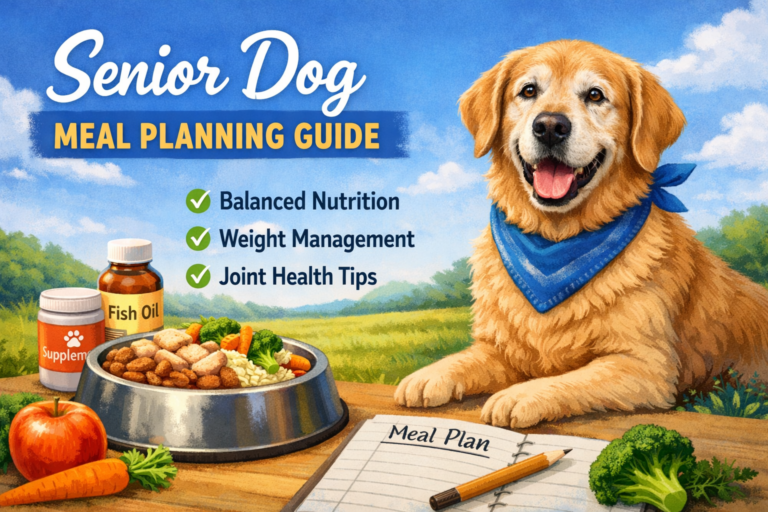
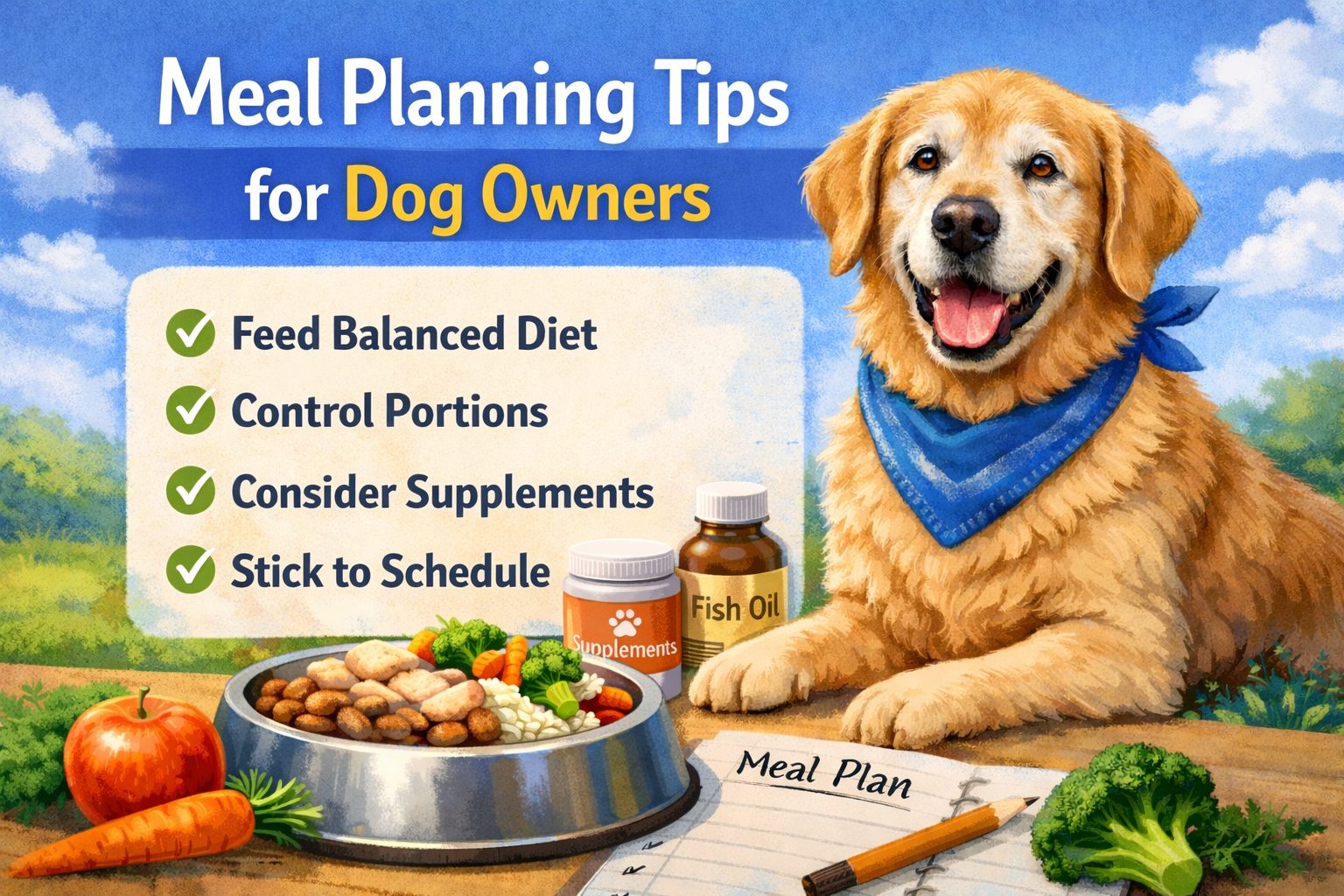
Meal planning tips for dog owners involve selecting high-quality proteins, balancing essential nutrients, and scheduling consistent feeding times to support long-term health. Effective planning focuses on portion control, ingredient safety, and gradual dietary transitions to ensure your dog receives complete nutrition tailored to their specific age, weight, and activity level.
Quick Facts: Healthy Dog Meal Planning
- Balance is Critical: Every meal needs a precise mix of protein, fats, and minerals.
- Portion Precision: Use a kitchen scale rather than a “scoop” for accuracy.
- Safe Toppers: Fresh vegetables like green beans add nutrients without excess calories.
- Rotation Helps: Changing protein sources (chicken to beef) provides a broader amino acid profile.
- Prep in Batches: Cooking dog meals in bulk and freezing them saves time and ensures consistency.
- Hydration Focus: Adding water or bone broth to meals supports kidney and digestive health.
Introduction
Feeding your dog is one of the most important daily tasks you perform as a pet parent. However, simply pouring kibble into a bowl isn’t the only way to nourish your companion. Many owners are turning to meal planning tips for dog owners to take more control over what goes into their pet’s body.
Whether you are looking to supplement a commercial diet with fresh toppers or want to prepare homemade meals, having a plan is the best way to prevent nutritional gaps. This guide will walk you through the basics of creating a healthy dog meal planning guide that fits your lifestyle and keeps your dog’s tail wagging.
What Is Meal Planning for Dog Owners?
Meal planning tips for dog owners refer to the organized process of deciding what your dog will eat for the week ahead. It involves calculating caloric needs, prepping ingredients in advance, and ensuring that every meal meets the biological requirements of a canine.
A successful plan can range from choosing the right “complete and balanced” commercial food to preparing elaborate fresh meals. The goal remains the same: providing consistent, high-quality nutrition that supports energy levels, coat health, and a strong immune system.
Why Is It Important for Dogs?
Planning ahead is more than just a convenience; it is a pillar of preventative health care. Without a plan, it is easy to overfeed treats or rely on “filler” ingredients that don’t provide real value.
- Prevents Obesity: By measuring meals in advance, you avoid the “eye-balling” method that leads to weight gain.
- Stabilizes Digestion: Dogs thrive on routine. A consistent feeding schedule helps regulate their bathroom habits and metabolism.
- Saves Money: Buying ingredients in bulk and avoiding last-minute “convenience” purchases can significantly lower your monthly pet budget.
- Allergy Management: If your dog has a sensitive stomach, a meal plan allows you to eliminate triggers easily.
Benefits of a Healthy Dog Meal Planning Guide
Creating a dog diet planning tips list helps you see the “big picture” of your pet’s health.
- Variety of Nutrients: Rotating between different safe vegetables and proteins ensures your dog doesn’t become deficient in specific vitamins.
- Increased Palatability: Fresh additions make mealtime more exciting for picky eaters.
- Better Stool Quality: Whole-food ingredients often lead to smaller, firmer stools because the body is absorbing more of the nutrients.
What Ingredients Should You Look For?
To build a balanced bowl, you need to understand the building blocks of canine nutrition. Focus on these three pillars:
1. High-Quality Proteins
Protein is the most important part of the meal. Look for lean meats such as:
- Chicken or Turkey: Excellent low-fat options.
- Beef: Rich in iron and B vitamins.
- Fish (Salmon or Whitefish): Great for Omega-3 fatty acids.
2. Digestible Carbohydrates & Fiber
Carbs provide energy, while fiber keeps the gut moving.
- Sweet Potatoes: High in Beta-carotene.
- Pumpkin: Great for firming up stools.
- Steamed Broccoli or Spinach: Packed with antioxidants.
3. Healthy Fats
Fats support brain health and keep the coat shiny.
- Fish Oil: The gold standard for skin health.
- Coconut Oil: Can help with digestion (use in small amounts).
What Should You Avoid?
When planning, keep these “red flag” ingredients out of the kitchen:
- Xylitol: This artificial sweetener is often found in peanut butter and is deadly to dogs.
- Onions and Garlic: These can cause anemia in dogs.
- Cooked Bones: They can splinter and cause internal damage.
- Macadamia Nuts: These cause weakness and vomiting.
- High-Salt Seasonings: Stick to plain, unseasoned foods.
Nutritional Breakdown: The Daily Balance
A general guide for a healthy adult dog’s daily intake should look something like this:
| Component | Percentage | Key Purpose |
| Protein | 50% – 75% | Muscle maintenance |
| Vegetables | 10% – 20% | Vitamins and Fiber |
| Healthy Fats | 5% – 10% | Skin and Coat health |
| Organ Meats | 5% | Concentrated Nutrients |
Common Mistakes Dog Owners Make
Even with the best intentions, it is easy to make these common planning errors:
- Ignoring the “Complete” Rule: If you are making more than 10% of your dog’s diet at home, it must include a calcium source and specific vitamins, or you risk bone disease.
- Feeding Based on Hunger: Dogs are scavengers; they will often act hungry even when they’ve had enough. Stick to the plan.
- Too Many Toppers: Adding too much “extra” food to kibble can unbalance the precisely formulated nutrients in the bag.
- Sudden Changes: Switching from a chicken-based plan to a beef-based plan overnight can cause an upset stomach.
Comparison: Batch Cooking vs. Daily Prep
| Feature | Batch Cooking (Weekly) | Daily Prep |
| Time Spent | High once a week, zero daily. | Low every day, but adds up. |
| Consistency | Highly consistent. | Easy to forget ingredients. |
| Storage | Needs freezer/fridge space. | No extra space needed. |
| Freshness | May lose some vitamins over time. | Maximum freshness. |
Recommended Products
Affiliate Disclosure: This article may contain affiliate links. If you purchase through these links, we may earn a small commission at no extra cost to you.
To make your meal planning tips for dog owners more effective, consider these helpful tools:
- Digital Kitchen Scale: Essential for accurate portion control. This is the most effective tool for preventing weight gain.
- Silicone Food Molds: Perfect for freezing healthy “toppers” like pureed pumpkin or bone broth.
- High-Quality Multivitamins: If you are feeding a significant amount of fresh food, a supplement ensures no nutritional gaps occur. Look for brands that are NASC (National Animal Supplement Council) approved.
- Air-Tight Storage Containers: Keeping prepped meals fresh prevents spoilage and maintains nutrient density.
Safety Guidelines & Vet Recommendations
Before you start any new healthy dog meal planning guide, keep these safety tips in mind:
- Check for AAFCO Statements: If buying commercial food, ensure it says “Complete and Balanced for [Life Stage].”
- Consult a Professional: If your dog has health issues like kidney disease or allergies, a specialized plan is required.
- The 10% Rule: Treats and toppers should never exceed 10% of your dog’s total daily calories.
- Hygiene Matters: Wash your hands and all surfaces thoroughly after handling raw or cooked meats to prevent the spread of bacteria.
FAQ Section
Start by calculating your dog’s daily calorie needs. Then, choose a high-quality base food and decide which healthy toppers or fresh ingredients you want to rotate through the week.
No. Human recipes often contain salt, butter, onions, or spices that are harmful to dogs. Always use dog-specific recipes.
Usually, yes. By buying protein in bulk and prepping at home, you can often provide a higher quality of food for the same price as premium commercial brands.
Freshly cooked dog food should be used within 3–4 days. For longer storage, portion the meals and keep them in the freezer.
If you feed a commercial kibble, it is already balanced. If you are feeding a majority homemade diet, supplements are mandatory to prevent deficiencies.
Carrots and green beans are favorites because they are low-calorie, high-fiber, and most dogs enjoy the crunch.
Medical Disclaimer: “This content is for informational purposes only and is not a substitute for professional veterinary advice, diagnosis, or treatment.”