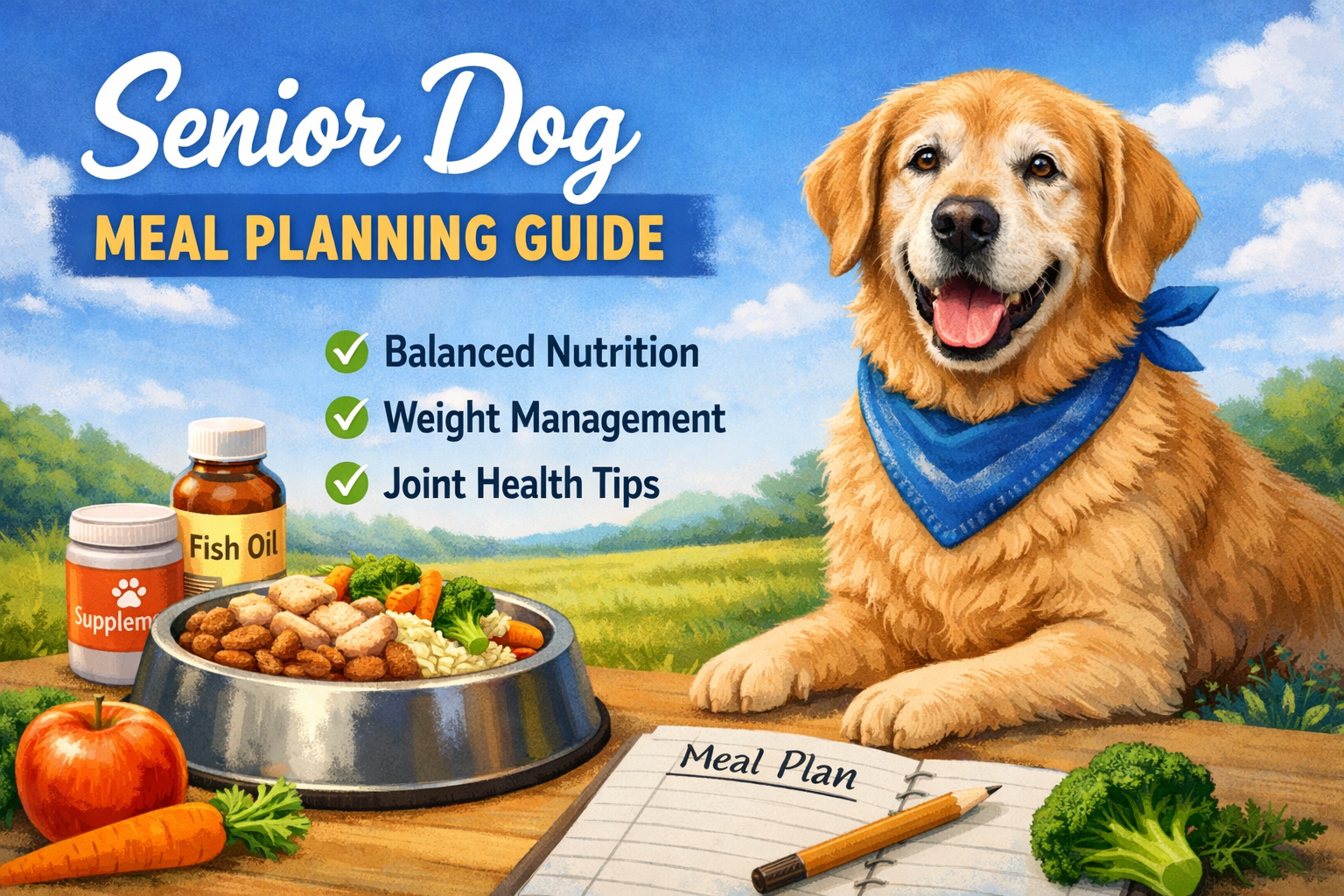
A senior dog meal planning guide is a specialized nutrition strategy designed to meet the changing metabolic needs of aging canines. A balanced plan for older dogs focuses on high-quality, easily digestible proteins, reduced caloric density to prevent weight gain, and increased levels of fiber and joint-supporting nutrients like Omega-3 fatty acids.
Quick Facts: Nutrition for Older Dogs
- Protein is Vital: Older dogs need high-quality protein to maintain muscle mass and prevent muscle wasting.
- Caloric Control: As activity levels drop, caloric intake must be adjusted to avoid obesity-related joint strain.
- Hydration is Critical: Senior dogs are more prone to dehydration; adding moisture to meals supports kidney function.
- Joint Support: Ingredients rich in Glucosamine and Chondroitin help maintain mobility in aging joints.
- Fiber for Digestion: Increased fiber helps prevent constipation, a common issue in less active senior dogs.
- Smaller, Frequent Meals: Feeding 2–3 smaller meals can be easier on a senior dog’s digestive system than one large meal.
Watching your dog enter their golden years is a rewarding experience, but it also brings new responsibilities. Just as our nutritional needs change as we age, your dog requires a different approach to their bowl once they reach “senior” status (typically around age 7 to 10, depending on breed size).
A senior dog meal planning guide helps you navigate these changes with confidence. By adjusting their diet now, you can help manage their weight, support their cognitive function, and keep them moving comfortably. Transitioning to the best food plan for older dogs isn’t just about changing the bag of kibble—it’s about understanding the specific biological shifts happening inside your aging companion.
What Is a Senior Dog Meal Planning Guide?
A senior dog meal planning guide is a structured roadmap for feeding an aging dog. It accounts for a slower metabolism, potential dental issues, and the need for specific nutrients that support aging organs.
Unlike puppy or adult plans, a senior dog diet plan prioritizes “bioavailability”—meaning the ingredients must be very easy for the body to break down and use. This often involves incorporating more moisture, reducing sodium, and ensuring the protein-to-fat ratio prevents unwanted weight gain while preserving lean muscle.
Why Is It Important for Dogs?
As dogs age, their bodies become less efficient at processing certain nutrients. A specialized plan is important for several reasons:
- Organ Health: Lowered phosphorus and sodium levels can reduce the workload on aging kidneys and hearts.
- Cognitive Support: Certain fats and antioxidants can help keep a senior dog’s mind sharp.
- Weight Management: Seniors often burn fewer calories. Obesity in older dogs can drastically reduce their quality of life by making movement painful.
- Digestive Efficiency: Older dogs may struggle with nutrient absorption; a planned diet ensures they get the most out of every bite.
Benefits of a Senior Dog Diet Plan
Implementing a structured best food plan for older dogs offers noticeable improvements in their daily life:
- Improved Mobility: Targeted nutrients like Omega-3s help reduce inflammation in the joints.
- Better Digestive Regularity: The right balance of fiber ensures consistent, easy-to-pass stools.
- Healthy Weight Maintenance: Precise portioning prevents the cycle of weight gain and lethargy.
- Coat and Skin Health: Continued intake of healthy fats prevents the dry, brittle fur often seen in aging pets.
What Ingredients Should You Look For?
When building a meal for an older dog, focus on high-nutrient density.
Highly Digestible Proteins
Look for “real meat” sources like deboned chicken, turkey, or whitefish. These provide the amino acids necessary for muscle maintenance without being too heavy on the stomach.
Healthy Fats & Omega-3s
Fish oil or flaxseed are essential. These fats support brain health and provide a natural anti-inflammatory boost for stiff joints.
Soluble and Insoluble Fiber
Pumpkin, steamed carrots, and leafy greens (in moderation) provide fiber that helps with fullness and digestive health.
Moisture-Rich Additions
Adding low-sodium bone broth or plain water to dry food helps with hydration and makes the food easier to chew if dental issues are present.
What Should You Avoid?
Older dogs are often more sensitive to dietary “extras” than they were in their youth.
- High-Sodium Treats: Excess salt can be hard on a senior dog’s heart and kidneys.
- Hard, Raw Bones: Senior teeth can be more brittle; very hard bones can cause fractures or painful dental issues.
- High-Fat Scraps: Fatty human foods like bacon or butter can trigger pancreatitis, which is especially dangerous for older dogs.
- Artificial Colors and Preservatives: Stick to whole-food ingredients to reduce the chemical load on the liver.
Nutritional Breakdown: Senior vs. Adult Needs
| Nutrient | Adult Dog (Maintenance) | Senior Dog (Adjustment) |
| Protein | Moderate (18-25%) | High Quality (20-28%) |
| Fat | Moderate (10-15%) | Lower (8-12%) |
| Fiber | Low to Moderate (2-4%) | Higher (5-7%) |
| Calories | Standard | 10-20% Lower |
Comparison: Wet vs. Dry Food for Seniors
| Feeding Method | Pros | Cons |
| Dry Kibble | Helps with dental plaque; cost-effective. | Can be hard to chew; low moisture. |
| Wet/Canned Food | High hydration; very palatable; easy to chew. | More expensive; doesn’t help with teeth. |
| Gently Cooked | Maximum nutrient absorption; no fillers. | Requires prep time; needs careful balancing. |
Vet Recommendations for Senior Feeding
While we provide general nutritional guidance, every senior dog is an individual. We recommend the following steps for a safe transition:
- Bi-Annual Checkups: Senior dogs should see a professional twice a year for blood work and physical exams.
- Dental Assessment: If your dog stops eating, it may be due to tooth pain rather than a lack of appetite.
- Monitor Water Intake: Changes in how much a senior dog drinks can be an early indicator of metabolic shifts.
- Gradual Changes: Always take 10–14 days to switch a senior dog to a new food to prevent severe stomach upset.
Common Mistakes Dog Owners Make
- Cutting Protein to “Protect” Kidneys: Unless a dog has a diagnosed kidney condition, cutting protein can actually cause muscle loss. High-quality protein is essential for seniors.
- Over-Treating: We tend to spoil our seniors, but those extra calories add up fast. Use pieces of carrot or blueberry as low-calorie rewards.
- Ignoring Weight Gain: A “chunky” senior dog is at a much higher risk for diabetes and heart issues.
- Using Cold Food: Older dogs have a decreased sense of smell. Warming the food slightly can make it more appetizing.
Recommended Products Section
Affiliate Disclosure: This article may contain affiliate links. If you purchase through these links, we may earn a small commission at no extra cost to you.
Choosing the right foundation is the most important part of your senior dog meal planning guide. Look for products with the following features:
- AAFCO Adult Maintenance or Senior Standards: Ensures the food is nutritionally complete.
- Joint Supplements Included: Many senior-specific foods already contain Glucosamine and Chondroitin.
- Real Meat First: Avoid brands where the first ingredient is a “meal” or grain.
Top Picks for Aging Dogs
- Premium Senior Kibble: Look for formulas with added antioxidants like Vitamin E and C to support the immune system.
- Joint-Support Fish Oil: Pure salmon oil is a fantastic daily topper for skin, coat, and joint health.
- Dehydrated Base Mixes: These allow you to add your own fresh protein while ensuring the vitamins and minerals are balanced for an older dog.
Safety Guidelines
- Watch for “Bolting”: If your senior dog eats too fast, use a slow-feeder bowl to prevent choking.
- Check for Spoilage: Since senior dogs have more sensitive stomachs, ensure fresh food is never left out for more than 30 minutes.
- Stay Consistent: Try to feed at the same times daily to maintain a stable metabolic rhythm.
FAQ Section
Generally, small dogs are seniors at age 10-11, medium dogs at age 8-9, and large/giant breeds as early as age 6-7.
Unexpected weight loss in an older dog should be investigated by a professional. It could be due to muscle wasting or an underlying health issue.
If you are feeding a complete and balanced commercial food, you usually don’t need a multivitamin, but joint or skin-specific supplements can be beneficial.
Grains provide fiber and energy. Unless your dog has a specific grain allergy, whole grains like oatmeal or brown rice can be very beneficial for seniors.
Try adding a splash of warm, low-sodium bone broth or a teaspoon of plain canned pumpkin to the meal to enhance the aroma.
Small amounts of plain, cooked chicken or green beans are fine. Avoid anything with salt, onions, garlic, or heavy oils.
Medical Disclaimer: “This content is for informational purposes only and is not a substitute for professional veterinary advice, diagnosis, or treatment.”