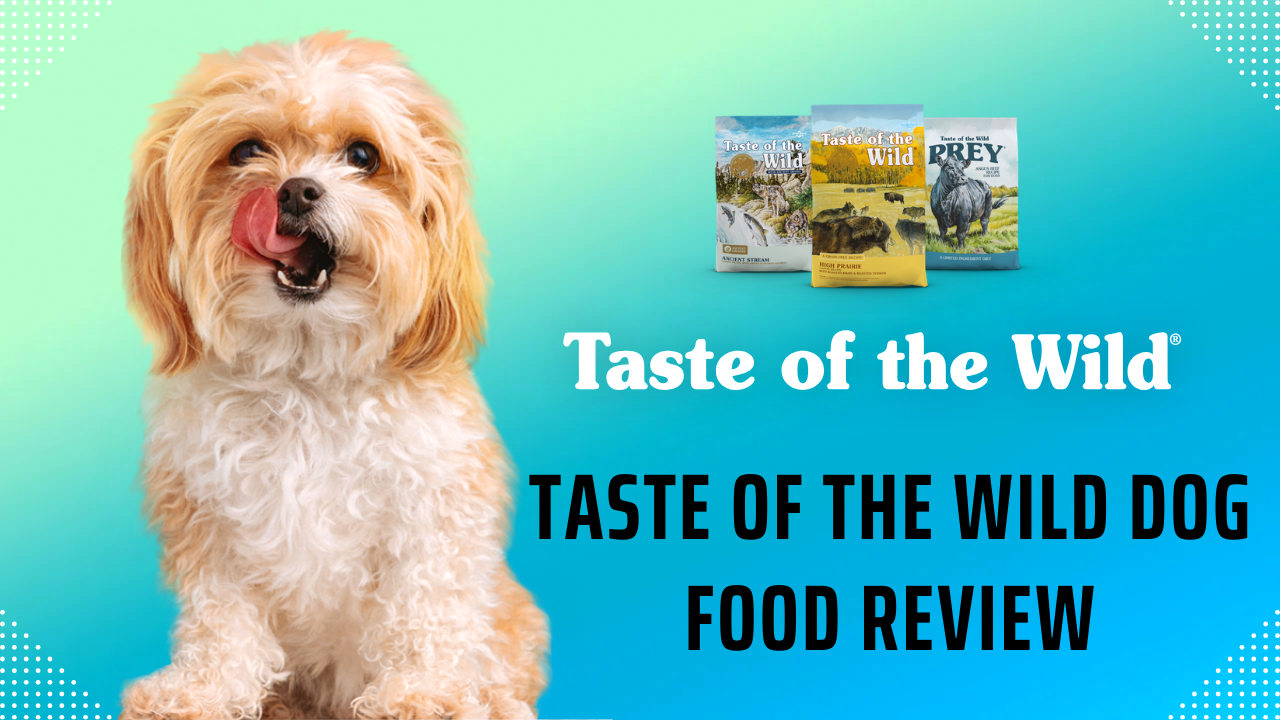
This Taste of the Wild dog food review finds that the brand offers high-protein, meat-focused formulas inspired by ancestral diets. It is grain-free in many recipes and meets AAFCO standards. While suitable for many healthy dogs, owners should consider ingredient preferences, recall history, and veterinary guidance before switching.
✅ Quick Facts About Taste of the Wild
- Real meat or fish listed as first ingredient
- Many grain-free recipes
- Includes probiotics for digestion
- Moderate-to-high protein levels
- AAFCO-compliant formulas
- Mid-range pricing
- Past recalls in brand history
- Popular among active dog owners
If you’re researching premium dog food, you’ve likely seen Taste of the Wild.
Its packaging highlights roasted meats, grain-free recipes, and “ancestral diet” inspiration. But does it truly offer balanced nutrition?
In this detailed Taste of the Wild dog food review, we’ll examine ingredients, benefits, safety history, and how it compares to competitors like Blue Buffalo.
As a certified canine nutrition specialist, my goal is to give you clear, balanced information — not marketing hype.
Affiliate Disclaimer:
Some links on healthydogsmeals may be affiliate links. This means we may earn a small commission at no extra cost to you.
What Is Taste of the Wild Dog Food Review?
A Taste of the Wild dog food review evaluates:
- Ingredient quality
- Protein sources
- Carbohydrate choices
- Nutritional balance
- Safety standards
- Real-world feeding suitability
The brand is produced by Diamond Pet Foods under the Taste of the Wild label.
It focuses on protein-rich, often grain-free formulas.
Why Is It Important for Dogs?
Dogs require:
- High-quality protein
- Balanced fats
- Digestible carbohydrates
- Essential vitamins and minerals
The right food affects:
- Energy levels
- Body weight
- Digestive consistency
- Skin and coat condition
Choosing a protein-rich formula may benefit active dogs, but balance is essential.
Taste of the Wild Ingredients Analysis
Let’s look at a common formula, such as High Prairie (Roasted Bison & Venison).
Typical First Ingredients
- Buffalo
- Lamb meal
- Chicken meal
- Sweet potatoes
- Peas
- Potatoes
What This Means
✔ Named meat sources appear first
✔ Contains concentrated animal meal
✔ Grain-free carbohydrate sources
✔ Added probiotics
The formula emphasizes animal protein and alternative carbohydrate sources.
Nutritional Breakdown Explained
Typical guaranteed analysis (varies by formula):
| Nutrient | Approximate Level | Purpose |
|---|---|---|
| Protein | 28–32% | Muscle maintenance |
| Fat | 15–18% | Energy & coat health |
| Fiber | 3–5% | Digestive support |
| Probiotics | Added | Gut balance |
Protein levels are higher than many standard grocery brands.
This may suit active dogs or larger breeds.
Benefits of Taste of the Wild
1️⃣ High Protein Content
Protein often exceeds 28%.
This supports:
- Lean muscle mass
- Active lifestyles
2️⃣ Grain-Free Options
Many recipes avoid wheat, corn, and soy.
Instead, they use:
- Sweet potatoes
- Peas
- Lentils
Grain-free is not necessary for all dogs but may suit those with specific sensitivities.
3️⃣ Added Probiotics
Proprietary probiotics are included after cooking.
These may help support digestion in some dogs.
4️⃣ Variety of Protein Sources
Options include:
- Salmon
- Bison
- Venison
- Duck
- Lamb
Variety may benefit dogs with protein preferences.
Is Taste of the Wild Good for Dogs?
Many owners ask: Is Taste of the Wild good for dogs?
For many healthy, active dogs, yes.
However:
- It is not specifically veterinary-clinic-focused
- It may not suit dogs needing prescription diets
- High protein may not be necessary for all dogs
Suitability depends on your dog’s needs.
Taste of the Wild vs Blue Buffalo
Here’s a simple comparison of Taste of the Wild vs Blue Buffalo.
| Feature | Taste of the Wild | Blue Buffalo Life Protection |
|---|---|---|
| Protein Level | Higher | Moderate |
| Grain-Free Options | Yes (many) | Mostly grain-inclusive |
| First Ingredient | Meat | Meat |
| Probiotics | Yes | Limited |
| Antioxidant Blend | Moderate | LifeSource Bits |
| Price | Mid-range | Premium |
Taste of the Wild leans toward ancestral-style marketing.
Blue Buffalo emphasizes balanced family-style nutrition.
Both meet AAFCO standards.
What Ingredients Should You Look For?
When reviewing Taste of the Wild formulas:
1️⃣ Named animal proteins first
2️⃣ Clear carbohydrate sources
3️⃣ Balanced fat sources (chicken fat, fish oil)
4️⃣ Added vitamins and minerals
5️⃣ AAFCO statement of nutritional adequacy
Always match formula to life stage.
What Should You Avoid?
Avoid:
- Switching too quickly
- Overfeeding high-calorie formulas
- Choosing grain-free without reason
- Ignoring body condition changes
Monitor your dog’s weight and digestion.
Recall History
Taste of the Wild has had recalls in the past involving:
- Potential contamination issues
- Manufacturing concerns
These were addressed by the manufacturer.
No major pet food brand is entirely recall-free.
Transparency and corrective action matter.
Are There Vet-Recommended Options?
Some veterinarians prefer brands with extensive feeding trials and clinical research.
Examples include:
🐾 Hill’s Pet Nutrition
🐾 Royal Canin
🐾 Purina Pro Plan
These brands emphasize research partnerships.
However, many healthy dogs thrive on Taste of the Wild when properly selected.
Consult your veterinarian for personalized guidance.
🛒 Recommended Products
🐾 Taste of the Wild High Prairie
- Roasted bison & venison
- 32% protein
- Grain-free
🐾 Taste of the Wild Pacific Stream
- Salmon-based
- Omega-rich
- Suitable for dogs preferring fish
Transition gradually over 7–10 days.
Safety Guidelines
1️⃣ Follow feeding chart
2️⃣ Measure portions carefully
3️⃣ Store in airtight container
4️⃣ Monitor stool quality
5️⃣ Adjust for activity level
Higher protein diets may require portion control.
Common Mistakes Dog Owners Make
- Choosing high protein for sedentary dogs
- Ignoring calorie density
- Switching foods too quickly
- Assuming grain-free is automatically superior
- Not consulting a vet for health conditions
Balance matters more than trends.
Practical Feeding Example
If your 60-pound dog eats 1,200 calories daily:
A high-protein formula may require slightly smaller portions compared to moderate-protein food.
Always measure carefully.
FAQ
It can be suitable for many healthy dogs when matched to their needs.
Many formulas are grain-free.
Yes, proprietary probiotics are included.
Yes, there have been recalls in the past.
Yes, most formulas contain 28–32% protein.
Taste of the Wild is typically higher in protein and more grain-free focused.
There are puppy-specific formulas available.
Yes, especially if your dog has health concerns.
Final Verdict
This Taste of the Wild dog food review shows a high-protein, meat-focused formula designed for active and healthy dogs.
It offers grain-free options, diverse protein sources, and added probiotics.
However, suitability depends on your dog’s age, activity level, and health status.
Balanced nutrition and proper portion control always come first.