Best Dog Food for Weight Loss: 2026 Guide to Helping Your Dog Shed Pounds
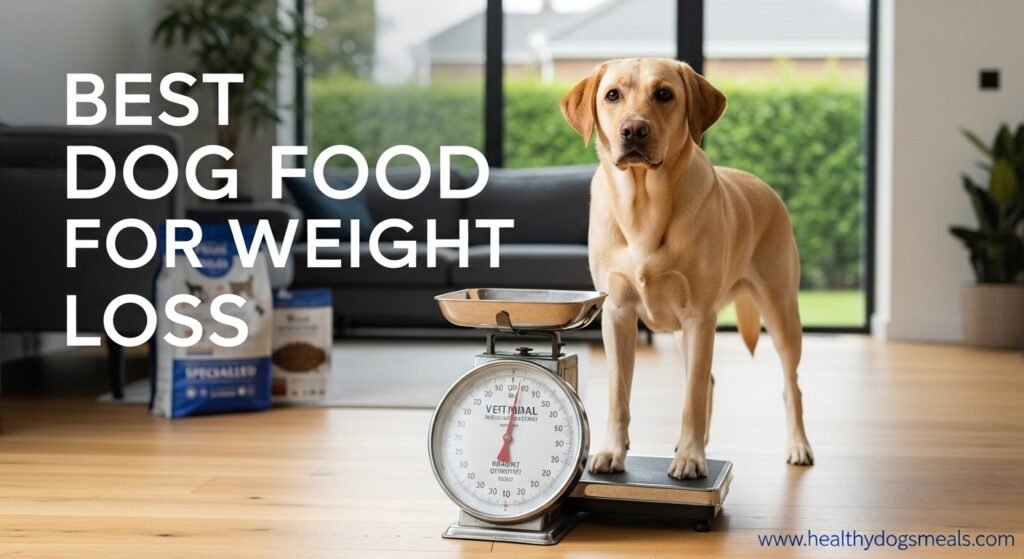
The best dog food for weight loss is a high-protein, low-fat formula with increased fiber to help your dog feel full while consuming fewer calories. Look for “L-Carnitine” to boost metabolism and ensure the food meets AAFCO standards for “Weight Management” or “Light” diets to prevent nutritional deficiencies during dieting.
Quick Facts: Best Dog Food for Weight Loss
- Caloric Density: Weight loss foods typically contain 250–325 calories per cup, compared to 400+ in standard kibble.
- Protein is Key: High protein (25%+) prevents muscle loss while your dog loses body fat.
- Fiber for Satiety: Ingredients like miscanthus grass or beet pulp keep your dog feeling “full” for longer.
- Metabolism Boosters: L-Carnitine is a common additive that helps the body turn fat into energy.
- Portion Control: Switching to diet food only works if you measure the exact grams required for the target weight.
- Gradual Progress: A safe weight loss rate is 1% to 2% of total body weight per week.
Introduction: Why Weight Management is a Act of Love
In 2026, nearly 60% of household dogs are classified as overweight or obese. While a “chunky” dog might look cute, carrying extra weight puts immense strain on their joints, heart, and respiratory system. As a dog owner, choosing the best dog food for weight loss is one of the most impactful decisions you can make for your pet’s longevity.
Transitioning to a weight-loss diet isn’t about “starving” your pet. Modern canine nutrition has evolved to offer “volumetric” feeding—where the dog gets to eat a satisfying amount of food that is simply less calorie-dense. This guide will help you navigate the sea of “Light” and “Fit” labels to find a scientifically backed solution that actually works.
What Is the Best Dog Food for Weight Loss?
The best dog food for weight loss is a specialized diet formulated to provide all essential vitamins and minerals while significantly reducing fat and calorie content. These diets are often labeled as “Weight Management,” “Healthy Weight,” or “Weight Care.”
Unlike standard maintenance food, these recipes increase fiber levels. Fiber adds bulk to the meal without adding calories, tricking the dog’s brain into thinking it has eaten a large, satisfying meal. This prevents the “begging” behavior that often dooms a dog’s diet.
Why Is Weight Loss Important for Dogs?
Obesity in dogs is linked to a variety of chronic health issues that can decrease their lifespan by up to 2.5 years. By finding a best dog food for weight loss guide and following it, you help prevent:
- Osteoarthritis: Extra weight crushes joint cartilage, leading to pain and immobility.
- Type 2 Diabetes: Excess fat can lead to insulin resistance.
- High Blood Pressure: This puts unnecessary stress on the heart and kidneys.
- Respiratory Distress: Overweight dogs struggle to cool themselves down and catch their breath.
By prioritizing a best dog food for weight loss benefits plan, you are giving your dog the gift of more active, pain-free years.
What Ingredients Should You Look For?
When reviewing a weight-loss formula, the ingredient list should reflect high quality and low density.
1. High-Quality Lean Protein
Look for named meats like Chicken Meal, Turkey Meal, or Whitefish. Protein is essential during weight loss because it ensures the dog loses fat, not muscle. A dog that loses muscle mass will have a slower metabolism, making it easier to regain the weight later.
2. Soluble and Insoluble Fiber
Ingredients like powdered cellulose, miscanthus grass, beet pulp, and pumpkin are vital. They slow down digestion and keep the dog feeling satisfied between meals.
3. L-Carnitine
This amino acid-like compound helps transport fatty acids into the cells to be burned for energy. It is a staple in premium weight loss brands like Royal Canin and Hill’s.
4. Glucosamine and Chondroitin
Since overweight dogs usually have joint stress, a weight loss food that includes joint supplements helps support their mobility as they start to exercise more.
What Should You Avoid?
Not all “diet” foods are created equal. Avoid products that rely on:
- High Simple Carbs: Avoid foods where corn or wheat are the first ingredients without a strong protein backing. These can cause blood sugar spikes.
- Excessive Fats: Check the “Guaranteed Analysis” on the bag. A weight loss food should ideally have a fat content between 8% and 11%.
- Vague “Meat” Labels: Avoid “Animal Fat” or “Meat Meal” without a named species, as these are often lower quality and less digestible.
Are There commonly considered Options?
Most veterinary professionals recommend brands that follow WSAVA (World Small Animal Veterinary Association) guidelines. These brands conduct feeding trials to prove their “Weight Loss” claims actually result in safe fat loss.
If your dog is severely obese, a vet may recommend a Prescription Weight Loss Diet. These are even lower in calories than retail “Light” foods and are formulated to manage the metabolic changes that happen during significant weight reduction. For mildly overweight dogs, high-quality retail brands are usually sufficient.
Comparison: Weight Management vs. Standard Kibble
| Feature | Standard Maintenance Food | Weight Loss / Light Food |
| Calories (per cup) | 380 – 450 kcal | 260 – 310 kcal |
| Fat Content | 15% – 20% | 8% – 11% |
| Fiber Content | 2% – 4% | 10% – 15% |
| Protein Content | 22% – 24% | 26% – 30% |
| Feeding Goal | Maintain current weight | Lose fat / Maintain muscle |
Safety Guidelines: How to Start a Diet Safely
Weight loss must be handled with care. If you reduce a dog’s food too drastically, they can suffer from nutritional deficiencies or hepatic lipidosis (especially in very small breeds).
- Consult a Professional: Always check with a vet to rule out thyroid issues before starting a diet.
- The 10% Rule: Treats should never exceed 10% of their daily calorie intake. Switch high-calorie biscuits for green beans or cucumber slices.
- Slow Transition: Switch from old food to weight loss food over 10 days to avoid diarrhea.
- Use a Scale: Do not use a “scoop.” Weigh the food in grams to ensure 100% accuracy in caloric intake.
Recommended Products Section
Choosing the right brand is the first step in your best dog food for weight loss review process. These brands meet AAFCO standards and are known for high-quality control.
1. Royal Canin Medium Weight Care
This formula is designed for dogs that have a tendency to gain weight. It features a high protein-to-calorie ratio and is enriched with L-carnitine to support fat metabolism.
2. Hill’s Science Diet Adult Light
One of the most popular “Light” foods globally, Hill’s uses natural fibers to keep dogs full. It is 18% lower in calories than their standard adult formula.
3. Purina Pro Plan Weight Management
Purina is highly regarded for its “Protein-to-Fat Ratio” which is optimized to protect lean muscle mass. Many owners prefer this brand because it remains highly palatable for picky eaters.
4. Blue Buffalo Life Protection Healthy Weight
For owners who prefer a “natural” approach, Blue Buffalo uses deboned chicken and brown rice without corn, wheat, or soy, while keeping the fat content low.
Affiliate Disclosure: This article may contain affiliate links. If you purchase through these links, we may earn a small commission at no extra cost to you. We only recommend brands that prioritize safety and use high-quality, bioavailable protein.
Common Mistakes Dog Owners Make
- Eyeballing the Bowl: A few extra kibbles can equal 10% of a small dog’s daily calories. Always weigh the food.
- Giving “Hidden” Calories: Forgetting about the cheese used for pills or the scraps from the dinner table.
- Rewarding with Food: We often equate food with love. Try rewarding your dog with a walk, a game of fetch, or a belly rub instead.
- Quitting Too Early: Metabolism takes time to shift. Stick with the diet for at least 8 weeks before expecting to see a “new” dog.
FAQ Section
A safe rate is 1% to 2% of their starting body weight. For a 50lb dog, that is 0.5 to 1lb per week.
It’s not recommended. Regular food is nutrient-balanced for a specific volume. If you cut the portion too much, you also cut their essential vitamins and minerals.
Green beans (fresh or frozen), plain canned pumpkin, cucumber slices, and pieces of apple (no seeds) are excellent low-calorie options.
Not necessarily. Many grain-free foods replace grains with potatoes or peas, which can be just as calorie-dense. Focus on the total calorie count (kcal/cup) instead.
It takes time for the stomach to adjust. High-fiber “Weight Management” foods help, but you can also add water or plain green beans to their bowl to increase volume.
You should be able to feel their ribs easily without a thick layer of fat, and they should have a visible “waist” when viewed from above.
Summary and Final Steps
Finding the best dog food for weight loss guide is the first step toward a healthier, more energetic pet. Remember that weight loss is a “marathon, not a sprint.” By choosing a high-protein, high-fiber diet and being disciplined with treats, you can significantly improve your dog’s quality of life.
Check your dog’s weight every two weeks. If they aren’t losing weight, you may need to decrease their calories by another 5-10%. Consistency is the key to success!
Medical Disclaimer: This content is for informational purposes only and is not a substitute for professional veterinary advice, diagnosis, or treatment.