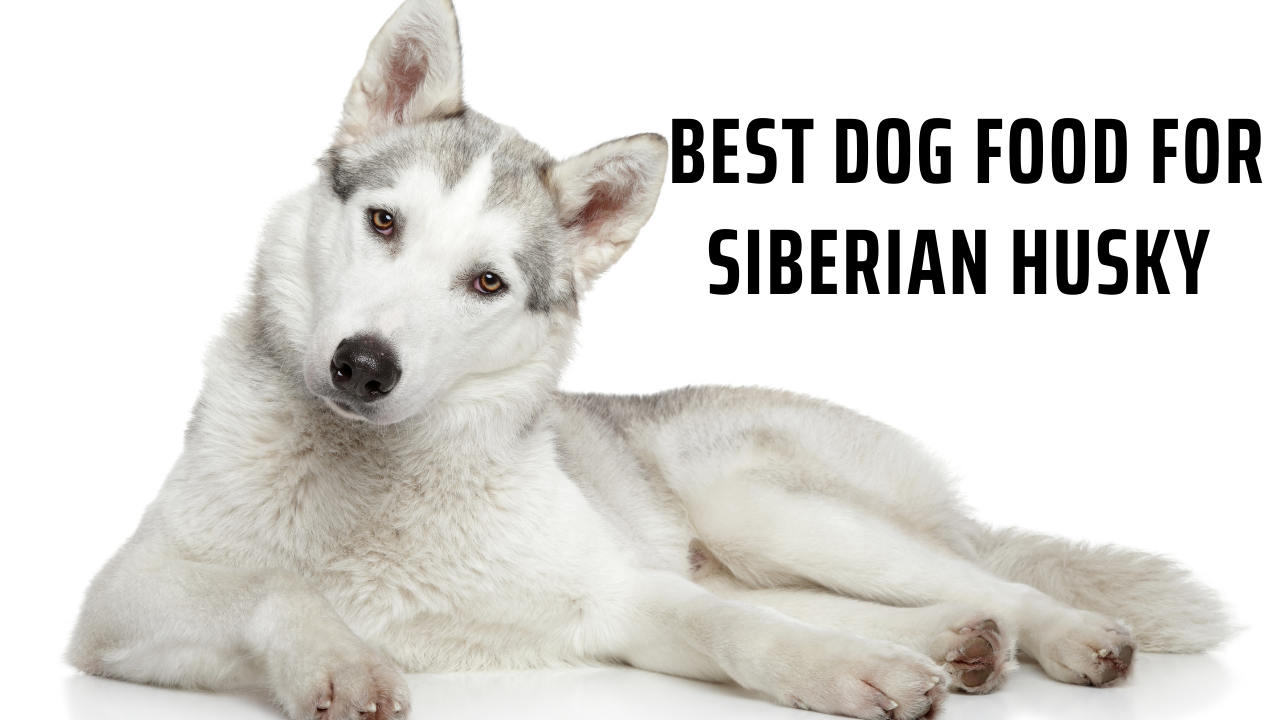
Quick Answer: The best dog food for Siberian Husky is a nutrient-dense formula with a named animal protein first, 22–28% protein, moderate healthy fat (12–18%), Omega-3 fatty acids for coat health, and an AAFCO “complete and balanced” statement. Top picks include Royal Canin Siberian Husky Adult, Purina Pro Plan Sensitive Skin & Stomach, Orijen Six Fish, Blue Buffalo Wilderness, and Diamond Naturals Extreme Athlete. Huskies have uniquely efficient metabolisms — the focus should be on ingredient quality, not high calorie volume.
Siberian Huskies are one of the most striking, athletic, and uniquely wired dogs on the planet. Bred for centuries to pull sleds across the frozen tundra of Siberia on surprisingly small amounts of food, they have an exceptionally efficient metabolism that sets them apart from nearly every other breed.
This creates a challenge most new Husky owners don’t expect: overfeeding is far more common than underfeeding, and many commercial “high-energy” dog foods are actually too calorie-dense for the average Husky. The result is unexpected weight gain, digestive upset, dull coats, and low energy — all caused by the wrong food, not the wrong quantity.
This guide from Healthy Dogs Meals gives you the full picture — from what makes Husky nutrition truly different, to specific product picks for puppies, sensitive stomachs, active working dogs, and seniors.
Why Siberian Huskies Have Unique Nutritional Needs
Before picking a food off a shelf, it’s essential to understand what makes Huskies metabolically different from almost every other breed.
The Efficient Metabolism Phenomenon
Siberian Huskies were developed by the Chukchi people of northeastern Siberia to cover enormous distances daily while consuming very little food. Over centuries, this bred an extraordinarily efficient metabolism — their bodies extract and use nutrients far more effectively than most dogs.
According to the American Kennel Club (AKC), Huskies are a medium-sized working breed, typically weighing 35–60 lbs. Yet many owners are surprised to learn their active Husky thrives on less food than a similarly sized, less active breed.
This has critical dietary implications:
- Foods formulated for “high-performance” or “working dogs” are often too calorie-dense for the average Husky companion dog
- Excess calories from dense kibble can cause weight gain even in active dogs
- Quality of ingredients matters far more than volume
Breed-Specific Health Vulnerabilities
Beyond metabolism, Huskies are prone to several health conditions that nutrition directly impacts:
- Hypothyroidism — slows metabolism, increases obesity risk; requires careful calorie management
- Hip dysplasia — though less common than in German Shepherds (2.2% risk per the Orthopedic Foundation for Animals), joint-support nutrients are still beneficial
- Skin and coat sensitivity — dry skin, excessive shedding, and dull fur are common signs of dietary Omega-3 deficiency
- Digestive sensitivity — loose stools and gas are frequent complaints; heavily processed food often makes this worse
- Cataracts and progressive retinal atrophy (PRA) — a genetic predisposition; antioxidant-rich diets may support eye health
- Zinc-responsive dermatosis — Huskies are uniquely susceptible to zinc deficiency, which causes skin scaling and coat problems; look for foods with adequate zinc levels
The Seasonal Eating Pattern
Huskies are famous for skipping meals, especially in warmer months. This is normal and rooted in their ancestral biology — they naturally eat less when temperatures rise and activity decreases. Forcing a Husky to finish every meal can cause overconsumption. Trust your Husky’s instincts, and only consult a vet if the food refusal lasts more than two days or is accompanied by other symptoms.
Related Reading: Best Dog Food for German Shepherd | Best Dog Food for Border Collie | Best Dog Food for Golden Retriever
What to Look For in Husky Food
1. Named Animal Protein as the First Ingredient
Protein fuels lean muscle and endurance. For Huskies, quality beats quantity — the source matters more than the percentage.
- Best sources: Chicken, salmon, lamb, turkey, beef, herring, whitefish
- Ideal range: 22–28% crude protein for most adult Huskies (higher for working or very active dogs)
- Avoid: Generic “meat meal,” “poultry by-product,” or plant-based proteins as the primary source
The Association of American Feed Control Officials (AAFCO) sets minimum protein standards. Always check for the AAFCO nutritional adequacy statement — it should read “complete and balanced for adult maintenance” (or “all life stages” for puppies).
2. Omega-3 and Omega-6 Fatty Acids for Coat Health
A Husky’s double coat is one of their defining features — and one of the first things affected by a poor diet. Omega fatty acids are non-negotiable:
- Omega-3 (EPA + DHA): Reduces skin inflammation, supports coat density and shine, supports joint health
- Best sources: Fish oil, salmon oil, herring oil, flaxseed
- Omega-6: From chicken fat, sunflower oil — supports skin barrier
A Husky with dull fur, dry flaky skin, or excessive year-round shedding is often simply not getting enough Omega-3s.
3. Moderate, High-Quality Fat (12–18%)
Huskies need fat for sustained endurance energy — but the source matters:
- Chicken fat — highly digestible, great energy density
- Fish oil — delivers Omega-3 EPA and DHA
- Flaxseed — plant-based Omega-3
Avoid foods where fat comes primarily from unnamed “animal fat.”
4. Digestible Carbohydrates
Huskies don’t need large amounts of carbohydrates, but digestible ones support gut health and energy. Best options:
- Brown rice
- Oatmeal
- Sweet potatoes
- Barley
Avoid cheap fillers like corn gluten meal, wheat, or soy in large quantities — these are common digestive triggers in Huskies.
5. Adequate Zinc
Huskies are uniquely susceptible to zinc-responsive dermatosis — a condition where the skin and coat deteriorate due to insufficient zinc absorption. Look for foods with zinc listed as zinc sulfate or zinc proteinate (more bioavailable forms) in the ingredients.
6. AAFCO Statement + Calorie-Appropriate Density
- Always verify the AAFCO statement
- For sedentary or companion Huskies, choose formulas around 300–380 kcal/cup — not performance-level 420–500 kcal/cup formulas designed for racing sled dogs
- For puppies, ensure the AAFCO statement says “growth” or “all life stages”
Best Dog Food for Siberian Husky: Top 7 Picks (2026)
🥇 1. Royal Canin Siberian Husky Adult
Best Overall — Breed-Specific Formula
Royal Canin is one of the very few major brands to offer a formula engineered specifically for the Siberian Husky. It addresses the breed’s three most important nutritional pillars: coat health, digestive sensitivity, and efficient energy use.
| Feature | Detail |
|---|---|
| Protein | 25% crude protein |
| Key Ingredients | Chicken, brown rice, oat groats |
| Coat Support | EPA + DHA (fish oil), biotin, Omega-3 & 6 |
| Digestive Support | Highly digestible proteins + fiber blend |
| Zinc Support | Yes — addresses zinc-responsive dermatosis |
| AAFCO | Complete and balanced for adult maintenance |
| Best For | Adult Huskies of all activity levels |
Why it works: Royal Canin’s breed-specific formulas are developed with veterinary nutritionists using research specific to that breed’s biological profile. The Husky formula accounts for their efficient metabolism (moderate calorie density), their coat’s Omega-3 requirements, and their digestive sensitivity. The kibble shape is also designed for a medium-breed muzzle.
Downside: Premium pricing (~$80–$100 for a 17 lb bag). Not widely available in all countries.
🥈 2. Purina Pro Plan Sensitive Skin & Stomach (Salmon & Rice)
Best for Sensitive Stomach and Coat
One of the most consistently vet-recommended formulas for dogs with digestive sensitivity and skin issues. Salmon as the single protein source reduces allergen exposure, while oatmeal is one of the most gentle digestible carbohydrates available.
| Feature | Detail |
|---|---|
| Protein | 26% crude protein |
| Key Ingredients | Salmon (first ingredient), oatmeal, rice |
| Coat Support | Omega-3 EPA from salmon |
| Digestive Support | Prebiotic fiber + live probiotics |
| AAFCO | Complete and balanced for adult maintenance |
| Best For | Huskies with loose stools, gas, itchy skin |
Why it works: The single salmon protein source limits potential allergens while delivering natural Omega-3s. Prebiotic fiber feeds beneficial gut bacteria. Purina Pro Plan has one of the most extensive track records in veterinary nutrition research.
🥉 3. Orijen Six Fish
Highest Omega-3 Content — Best for Coat and Active Dogs
Orijen’s Six Fish formula uses six species of sustainably sourced whole fish (mackerel, herring, flounder, monkfish, redfish, and silver hake), including both meat and cartilage. It’s exceptionally rich in Omega-3s and natural glucosamine.
| Feature | Detail |
|---|---|
| Protein | 43% crude protein (dry matter basis) |
| Key Ingredients | Mackerel, herring, flounder, monkfish |
| Coat Support | Extremely high Omega-3 content |
| Joint Support | Natural glucosamine from fish cartilage |
| AAFCO | Complete and balanced (feeding trial tested) |
| Best For | Active or working Huskies; dogs with poor coat condition |
Why it works: For Huskies with chronically dull coats or dry skin, the Omega-3 density of a fish-based formula often produces visible results within 4–6 weeks. The high protein is appropriate for truly active Huskies, but may be too rich for sedentary companions.
Note: At 43% protein and a premium price point, this is not ideal for low-activity or senior Huskies.
4. Blue Buffalo Wilderness Adult Chicken Recipe
Best Natural Grain-Free Option
Blue Buffalo Wilderness uses real deboned chicken as the first ingredient, no artificial preservatives (no BHA, BHT, or ethoxyquin), and their LifeSource Bits — a blend of antioxidants, vitamins, and minerals cold-formed to protect nutrients.
| Feature | Detail |
|---|---|
| Protein | 34% crude protein |
| Key Ingredients | Deboned chicken, chicken meal, peas |
| Coat Support | Omega-3 & 6 from flaxseed and fish oil |
| Special Feature | LifeSource Bits antioxidant blend |
| AAFCO | Complete and balanced for adult maintenance |
| Best For | Owners preferring a natural, no-artificial-additive formula |
⚠️ Note on Grain-Free: The FDA has an ongoing investigation into a potential link between grain-free diets high in legumes (peas, lentils) and dilated cardiomyopathy (DCM) in dogs. See the FDA’s DCM advisory for current guidance. Consult your vet before choosing grain-free.
5. Diamond Naturals Extreme Athlete
Best for Active / Working Huskies on a Budget
Designed for working and sporting dogs, Diamond Naturals Extreme Athlete delivers 32% protein and 20% fat with real chicken as the first ingredient — plus a superfoods blend of kale, chia seeds, blueberries, and pumpkin.
| Feature | Detail |
|---|---|
| Protein | 32% crude protein |
| Fat | 20% crude fat |
| Key Ingredients | Chicken, chicken meal, egg |
| Special Feature | Superfoods blend; probiotics |
| AAFCO | Complete and balanced for all life stages |
| Best For | Very active, working, or sled-racing Huskies |
Important: The high fat (20%) makes this unsuitable for sedentary or companion Huskies — it will cause weight gain. This is designed for dogs doing sustained physical work.
6. Wellness CORE Grain-Free Original
Best High-Protein Turkey & Chicken Formula
Wellness CORE uses turkey and chicken as the first three ingredients, delivering exceptionally lean protein. The grain-free formula uses sweet potatoes and peas as carb sources and includes glucosamine and chondroitin.
| Feature | Detail |
|---|---|
| Protein | 34% crude protein |
| Key Ingredients | Deboned turkey, chicken, turkey meal |
| Joint Support | Glucosamine + chondroitin |
| Coat Support | Omega-3 & 6 fatty acids |
| AAFCO | Complete and balanced for adult maintenance |
| Best For | Moderate to active Huskies; owners wanting lean-protein grain-free |
7. Diamond Naturals Large Breed Adult
Best Budget Pick for Companion Huskies
For Husky owners who want clean ingredients without a premium price, Diamond Naturals Large Breed Adult delivers real chicken, glucosamine, and a superfoods blend at a fraction of the cost of specialty brands.
| Feature | Detail |
|---|---|
| Protein | 26% crude protein |
| Key Ingredients | Chicken, egg, lamb meal, brown rice |
| Joint Support | Glucosamine + chondroitin |
| Special Feature | Superfoods blend; probiotics |
| AAFCO | Complete and balanced for adult maintenance |
| Best For | Budget-conscious owners with moderately active companion Huskies |
Siberian Husky Puppy Food Guide
Husky puppies have meaningfully different nutritional needs than adults. Getting this phase right sets the foundation for lifelong joint, digestive, and metabolic health.
What Husky Puppies Need
- Higher protein (28–32%): Supports rapid muscle and organ development
- Higher fat (18–22%): Fuels growth energy and brain development
- DHA from fish oil: Critical for neurological and visual development
- Balanced calcium and phosphorus: Controls the rate of bone mineralization — too much calcium during growth can cause skeletal abnormalities
- AAFCO statement for “growth” or “all life stages”: Adult maintenance food is NOT suitable for puppies
According to Cornell University College of Veterinary Medicine, puppies fed adult maintenance food during critical growth phases face increased risk of nutritional deficiencies and developmental bone issues.
Top Picks for Husky Puppies
| Product | Key Feature | Protein |
|---|---|---|
| Royal Canin Siberian Husky Puppy | Breed-specific; DHA; digestive support | 30% |
| Purina Pro Plan Puppy Large Breed | Most vet-recommended; live probiotics; DHA | 30% |
| Hill’s Science Diet Puppy Large Breed | Controlled calcium; feeding trial tested | 27% |
| Merrick Healthy Grains Puppy Chicken & Brown Rice | Whole grains; glucosamine; DHA | 28% |
Husky Puppy Feeding Schedule
| Age | Meals Per Day | Notes |
|---|---|---|
| 8–12 weeks | 4 meals/day | Weaning to solid food; small portions |
| 3–6 months | 3 meals/day | Growth phase; monitor weight |
| 6–12 months | 2–3 meals/day | Beginning to slow growth rate |
| 12–18 months | 2 meals/day | Transition to adult food at 12–18 months |
Huskies are considered medium-sized dogs and generally reach maturity around 12–18 months — transition to adult food at this point, using a gradual 10-day changeover.
Related: Best Dog Food for Boxer — another athletic breed with comparable puppy nutrition needs.
Best Food for Husky with Sensitive Stomach
Digestive sensitivity is one of the most reported challenges in Siberian Huskies. Common signs include:
- Frequent loose or soft stools
- Excessive gas or bloating after eating
- Occasional vomiting, especially after eating quickly
- Inconsistent appetite
- Grass eating (a common self-soothing behavior for gut discomfort)
Why Huskies Get Upset Stomachs
Common dietary culprits:
- Sudden food transitions
- Corn, wheat, or soy as primary carbohydrates
- Artificial colors and preservatives
- Low-quality protein sources (“meat by-products”)
- Overly calorie-dense formulas that slow digestion
What to Choose for a Sensitive Stomach
- Limited ingredient diet (LID): Fewer ingredients = fewer potential triggers
- Single animal protein source: Salmon, lamb, or turkey — reduces allergen load
- Prebiotic fiber: Beet pulp, chicory root, or FOS support healthy gut flora
- Live probiotics: Lactobacillus acidophilus improves stool consistency
- No corn, wheat, soy, or artificial additives
Best Sensitive Stomach Picks
- Purina Pro Plan Sensitive Skin & Stomach (Salmon) — best overall for GI issues
- Royal Canin Siberian Husky Adult — breed-specific digestive support blend
- Diamond Naturals Large Breed Adult — clean, affordable formula with probiotics
The 10-Day Transition Schedule
Never switch food abruptly — always use a gradual transition:
| Days | Old Food | New Food |
|---|---|---|
| Days 1–3 | 75% | 25% |
| Days 4–6 | 50% | 50% |
| Days 7–9 | 25% | 75% |
| Day 10+ | 0% | 100% |
If digestive issues persist beyond 3–4 weeks on a new food, consult your veterinarian. Persistent loose stools in Huskies can occasionally indicate food allergies, intestinal parasites, or inflammatory bowel disease (IBD) — all of which require veterinary diagnosis.
High Protein Dog Food for Active Huskies
While the average Husky companion doesn’t need a performance-level diet, dogs participating in regular running, agility, hiking, skijoring, or sled work have elevated protein and fat requirements.
Protein and Fat Guidelines by Activity Level
| Activity Level | Protein | Fat | Example Formula |
|---|---|---|---|
| Low (indoor/sedentary) | 20–24% | 10–14% | Hill’s Science Diet Large Breed |
| Moderate (daily walks, play) | 24–28% | 12–16% | Royal Canin Husky Adult, Purina Pro Plan |
| High (running, agility, hiking) | 28–34% | 16–20% | Wellness CORE, Orijen Six Fish |
| Working (sled, long-distance) | 32–38%+ | 18–22%+ | Diamond Naturals Extreme Athlete, Orijen |
Why Over-Feeding Performance Food is Harmful
Huskies with efficient metabolisms fed high-calorie performance food will gain weight even while exercising regularly. Obesity in Huskies puts stress on joints, strains the heart, and can worsen hypothyroidism. Match caloric density to actual daily energy expenditure, not just breed reputation.
Best Dog Food for Senior Huskies
Huskies are generally considered senior at 7–9 years of age. Their nutritional needs shift in several important ways:
- Fewer calories overall — reduced metabolism and activity
- Higher digestible protein — to preserve muscle mass (muscle loss in seniors is common and accelerates quickly)
- More Omega-3s — for joint inflammation and cognitive support
- Antioxidants (Vitamin E, C, beta-carotene) — support immune function and cognitive health
- Increased fiber — supports digestive regularity
See our full guide: Best Dog Food for Senior Dogs 2026 — includes vet-approved picks for aging medium and large breeds.
Top Senior Picks for Huskies
| Product | Key Feature |
|---|---|
| Hill’s Science Diet Adult 7+ Medium Breed | Balanced calories, joint support, antioxidants |
| Purina Pro Plan Bright Mind Adult 7+ | MCTs for cognitive support; live probiotics |
| Royal Canin Aging 10+ | Targeted for very senior dogs; renal support |
Note: Senior dogs, especially those with hypothyroidism (common in Huskies), should have their diet reviewed by a veterinarian annually. Weight management becomes critical as metabolism slows.
Grain-Free Dog Food for Huskies: Is It Necessary?
Grain-free diets have surged in popularity, but the evidence doesn’t support them as universally better — especially for Huskies.
What the Science Says
- Most Huskies digest whole grains well. Brown rice, oatmeal, and barley are gentle, easily digestible carbohydrates that provide fiber beneficial for the Husky’s sensitive gut.
- The FDA opened an investigation in 2018 into a potential link between grain-free diets high in legumes (peas, lentils, chickpeas) and dilated cardiomyopathy (DCM) in dogs. The investigation remains open as of 2026. See the FDA’s latest update.
- Siberian Huskies appear in DCM case reports, making this a relevant concern for the breed.
When Grain-Free Makes Sense
Choose grain-free only if:
- Your Husky has a confirmed grain intolerance diagnosed by a veterinarian
- Your Husky is already on a grain-free diet with no issues and vet approval
- The formula uses a diverse protein base (not primarily legumes)
For most Huskies, a high-quality grain-inclusive formula is the better choice.
Ingredients to Avoid
These ingredients are warning signs in any Husky’s food:
| Ingredient | Why It’s a Problem |
|---|---|
| BHA / BHT | Artificial preservatives; potential carcinogens |
| Propylene glycol | Synthetic moisture preservative; toxic to cats, concerning in dogs |
| Artificial colors (Red 40, Yellow 6) | No nutritional value; potential allergens |
| Generic “meat by-products” | No source accountability; variable quality |
| Corn gluten meal as main ingredient | Cheap filler; poor digestibility for sensitive stomachs |
| Excessive soy | Common allergen; phytoestrogen concerns |
| Ethoxyquin | Chemical preservative; banned in human food in many countries |
How Much to Feed a Siberian Husky
Because of the Husky’s efficient metabolism, many owners overfeed their dogs. Use this as a starting point, then adjust based on your dog’s body condition score (BCS).
Daily Feeding Guide (Standard Dry Kibble, ~380 kcal/cup)
| Dog Weight | Low Activity | Moderate Activity | High Activity |
|---|---|---|---|
| 35 lbs (16 kg) | 1.5 cups | 2 cups | 2.5 cups |
| 45 lbs (20 kg) | 2 cups | 2.5 cups | 3 cups |
| 55 lbs (25 kg) | 2.5 cups | 3 cups | 3.5–4 cups |
| 60 lbs (27 kg) | 2.5–3 cups | 3–3.5 cups | 4–4.5 cups |
Always check the specific food’s caloric density. Amounts vary significantly between brands.
Body Condition Score Check
Run your hands along your Husky’s ribcage:
- Too thin: Ribs visibly prominent, spine and hip bones visible from a distance
- Ideal: Ribs easily felt with light pressure, waist visible from above, slight tummy tuck from the side
- Overweight: Ribs difficult to feel under fat; no visible waist definition
The Husky “Skipping Meals” Rule
If your Husky skips a meal, do not panic or add extra food to the next meal. This is normal — especially in summer. Simply remove the food after 20–30 minutes and offer it again at the next scheduled mealtime. Forcing eating or “loading up” at the next meal leads to overconsumption.
Dry vs Wet Food for Huskies
| Factor | Dry Kibble | Wet / Canned Food |
|---|---|---|
| Cost | More affordable | Higher per-meal cost |
| Dental support | Mild plaque reduction | Minimal benefit |
| Hydration | Low (~10% moisture) | High (75–80% moisture) |
| Palatability | Moderate | Higher — helpful for picky Huskies |
| Storage | Easy; resealable bags | Must refrigerate after opening |
| Digestibility | Good | Often slightly higher |
Recommendation: High-quality dry kibble as the primary diet. For picky Huskies (extremely common in the breed), add a small amount of warm water or a tablespoon of wet food as a topper to increase palatability — without significantly increasing caloric load.
Common Feeding Mistakes Husky Owners Make
1. Feeding performance food to a companion dog The most common mistake. A Husky that takes 2–3 daily walks does not have the same caloric needs as a sled dog covering 40+ miles a day. High-calorie working dog formulas will make a companion Husky overweight.
2. Panicking when their Husky skips meals Huskies are famously selective eaters and will skip meals, especially in summer. This is breed-normal behavior rooted in ancestral biology — not illness, unless accompanied by other symptoms like lethargy, vomiting, or weight loss.
3. Switching food abruptly Always use a 7–10 day gradual transition. Huskies have sensitive GI systems and sudden changes cause immediate digestive upset.
4. Ignoring zinc intake Huskies are uniquely prone to zinc deficiency (zinc-responsive dermatosis). Check that your Husky’s food contains adequate zinc in bioavailable forms (zinc proteinate or zinc sulfate), and consult your vet if coat/skin issues don’t resolve with a diet change.
5. Using treat calories as “free” calories Treats count. For a 45 lb Husky, even 100–150 extra treat calories daily can translate to slow but steady weight gain over months. Keep treats to under 10% of total daily calories.
6. Choosing grain-free without reason Unless your Husky has a confirmed grain intolerance, grain-inclusive formulas with whole grains like brown rice or oats are a safer and often better choice — especially given the FDA’s ongoing DCM investigation.
Frequently Asked Questions
A formula labeled “complete and balanced for growth” or “all life stages” with 28–32% protein, DHA from fish oil, and balanced calcium/phosphorus. Royal Canin Husky Puppy and Purina Pro Plan Large Breed Puppy are the most vet-recommended. Transition to adult food at 12–18 months.
Not always. Active and working Huskies benefit from 28–34% protein. Moderate companion Huskies do well on 22–28%. More important than percentage is the quality and digestibility of the protein source — named animal meats outperform protein from concentrated vegetable sources.
This is one of the Siberian Husky’s most distinctive traits. Their ancestral breeding for extreme endurance on minimal food created an exceptionally efficient metabolism. A Husky eating fewer cups than a similarly sized Lab is not undereating — they’re operating normally. Monitor body condition, not just volume consumed.
Generally no, unless your Husky has a diagnosed grain sensitivity. Whole grains like brown rice and oatmeal are well-tolerated and beneficial for the Husky’s sensitive digestive system. The FDA’s ongoing DCM investigation adds reason for caution with legume-heavy grain-free formulas.
Yes, though true food allergies are less common than food sensitivities. The most common allergens in dogs are beef, dairy, wheat, egg, chicken, lamb, and soy. If your Husky has ongoing skin itching, ear infections, or chronic loose stools, ask your vet about an elimination diet trial.
Use the body condition score method: you should be able to feel (but not see) ribs with light hand pressure, and your Husky should have a visible waist when viewed from above. A thick Husky coat can hide weight gain — use your hands, not just your eyes.
Most Huskies are considered senior around 7–9 years old. Switch when your vet recommends it, particularly if you notice reduced activity, joint stiffness, or weight gain.
Consult your veterinarian first. They may recommend a zinc supplement alongside a food with zinc proteinate or zinc sulfate in the ingredients. Royal Canin’s Husky-specific formula is formulated with this breed’s zinc needs in mind.
Final Thoughts
The best dog food for Siberian Husky isn’t about the highest protein or the most calories. It’s about understanding that Huskies are nutritionally unique — efficient, selective, and surprisingly easy to overfeed.
Focus on:
- Named animal protein as the first ingredient
- AAFCO “complete and balanced” statement
- Omega-3 fatty acids for their iconic double coat
- Adequate zinc for skin and coat health
- Calorie-appropriate density matched to your dog’s actual activity level
- Digestible, low-filler carbohydrates for their sensitive stomachs
Whether you’re raising a Husky puppy, managing an adult with sensitive digestion, fueling an active athlete, or caring for an aging companion — there’s a formula that fits. Start with one of our top picks, transition gradually over 10 days, and monitor coat condition, stool quality, energy, and body weight over the first 4–6 weeks.
Your Husky’s legendary endurance starts with what’s in their bowl.
Explore More from Healthy Dogs Meals
- 🐾 Best Dog Food for German Shepherd
- 🐾 Best Dog Food for Golden Retriever
- 🐾 Best Dog Food for Border Collie
- 🐾 Best Dog Food for Pitbull
- 🐾 Best Dog Food for Boxer
- 🐾 Best Dog Food for Dalmatian
- 🐾 Best Dog Food for Senior Dogs
- 🐾 Royal Canin vs Hill’s Science Diet
- 🐾 Can Dogs Eat Cucumbers?
Affiliate Disclosure: This article may contain affiliate links. If you purchase through these links, Healthy Dogs Meals may earn a small commission at no extra cost to you. This does not influence our recommendations.
Medical Disclaimer: This content is for informational purposes only and is not a substitute for professional veterinary advice, diagnosis, or treatment. Always consult your veterinarian before changing your dog’s diet.