Organic Pet Food Market Growth and Canine Health: Rising Demand, Premium Nutrition Trends, and Market Expansion at 8.4% CAGR
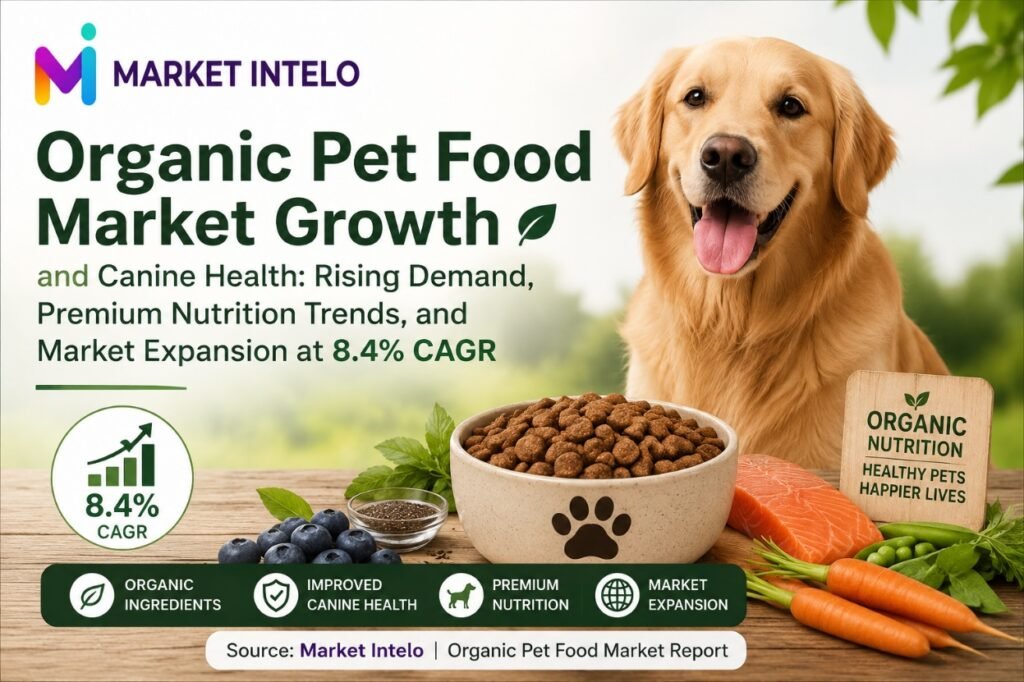
The organic pet food segment has undergone a remarkable transformation in recent times, evolving from a relatively obscure niche to blossoming into an all-important factor in pet nutrition. More and more pet parents are becoming aware of the food they choose for their furry friends and what goes into their animal’s diet in much the same way as they are concerned about their own food. The shift is not merely a matter of lifestyle choice; it is also a response to the fact that more people realize how important the food they give their pets is for the dogs’ health.
Why Organic Pet Food Is on the Rise
Organic pet food is gaining popularity due to different factors.
- Making pets part of family: More pet owners consider their pets to be members of family and want them to eat only wholesome food of clear ingredients.
- Health concerns: Dog owners are searching for food that does not contain any artificial colors and flavors as their dogs suffer from allergies and have problems with digestion.
- Disclosure of information on labels: Modern customers wish to eat products with clearly listed ingredients. This means that organic companies with transparent ingredients information are more likely to be trusted now.
Due to this, users have more organic dog food options, including dry and wet food, treats and fresh meals.
What Makes Dog Food “Organic”?
The phrase “organic” has transcended its status as just a marketing fad. It refers to how ingredients are grown, raised, and processed. While laws may vary from country to country, organic dog food is generally regulated by the following requirements:
• No synthetic pesticides or fertilizers
• No antibiotics or hormones in animal feed
• No artificial flavors, colors, or preservatives
• Limited use of GMOs
The term “organic dog food” generally implies that it is made from whole, minimally processed foods, and it avoids many of the synthetic ingredients typically used in conventional pet food.
How Organic Diets Can Support Canine Health
Using organic dog food isn’t a cure-all but does have its benefits in a few key areas of canine health:
- Better digestion: Easy to digest and clean components of organic pet food would make digestion easier. It is especially helpful for pets suffering from digestive problems like diarrhea and flatulence.
- Healthier skin and coat: Natural sources of omega 3 and omega 6 would help improve the health of the pet’s skin and fur by eliminating the artificial ingredients, especially if the pet is prone to allergies..
- Immunity and general health: Using all-natural products, natural antioxidants, and proper diet contributes to better weight control, increased activity levels, and better health of dogs.
It is important to recognize that “organic” does not necessarily mean “complete and balanced,” and that pet parents should select foods that correspond with the nutrition needs of their.
Key Ingredients and Claims to Watch
Though purchasing organic dog food, one should read more than what is mentioned in the packaging.
- Named animal protein indicates that there would be ingredients such as chicken, turkey, salmon, etc.
- Whole food carbohydrate means that grains and vegetables such as brown rice, oats, and sweet potato will serve as carbohydrates.
- Functional nutrients refers to omega-3 and supplements for joints that are beneficial for active dogs, old dogs, and large dogs.
- Honest claim means that natural, grain-free or human-grade does not equal organic, thus it’s important to examine the ingredient list from top to bottom until the very last ingredient in the list plus checking the certifications for the product.
So that is how owners can easily switch to organic food for dogs for their pets.
Market Trends Shaping Organic Dog Food
As per Market Intelo estimates for the global organic pet food market, it is expected to grow significantly over the years, starting from $9.8 billion in 2025 to $19.2 billion by 2034, which translates into an annual growth rate of about 8.4%. This growth shows that there have been shifts in consumer behavior concerning health-related products and natural ingredients. As always, organic pet food is quickly developing, as brands are focused on:
- Life-stage and condition-based formulas: Recipes both for puppies and adults, seniors, and recipes for weight control in animals.
- Flexible Feeding Options: Pet owners can now choose from freeze-dried and air-dried foods and freshly cooked meals and benefit from subscription services for organic foods.
- Sustainable sourcing: More people are concerned with animal welfare and eco-friendly agricultural and packaging methods.
This trend has changed dog owners’ perceptions: many of them now consider food to be an important element of health and thus, an integral part of exercise, mental stimulation and regular veterinarian check-ups.
Regional market values
| Region | 2025 market value | Share of global market | CAGR through 2034 | 2034 implied value* |
| North America | $5.1 billion | 52.0% | 8.7% | $11.0 billion |
| Europe | $2.8 billion | 28.5% | 8.1% | $5.8 billion |
| Asia Pacific | $1.3 billion | 12.8% | 10.2% | $3.4 billion |
| Latin America | $0.4 billion | 4.1% | Not stated | Not stated |
| Middle East & Africa | $0.3 billion | 2.6% | Not stated | Not stated |
Practical Tips for Owners Considering Organic
Moving to organic dog foods can be beneficial, but it should be done with care:
- Helpful Advice for Pet Owners Who Want to Use Organic Pet Food
- Switching to organic dog food can be quite helpful but must be done carefully.
Here are some tips:
- Here are some important tips for making pet food transitions:
- Consult veterinary professional: The need of the hour is consulting with a professional in case the pet is on medication, suffering from any ailment, or is on a special diet plan.
- Gradually go for food switch: For the period of around 7-10 days, start to mingle the old food with the new, gradually increasing the organic food. This way, you will be preventing any possible digestive issues.
- Keep an eye on the progress: Watch the pet’s stool, energy level, and appetite. Even smallest changes can indicate the improvement of your pet’s state.
- Check the prices: Organic pet food is usually more expensive than regular pet food. Some dog owners prefer to invest in organic foods entirely, others give them to their pets from time to time, or they use them for certain meals only depending on their dog’s characteristics.
Finally, the “right” food is only that which satisfies your pet’s needs and is comfortable for you to maintain for a long period of time.
Reference: https://marketintelo.com/report/organic-pet-food-market
Disclaimer
Medical and behavior disclaimer: This guide is educational and does not replace veterinary, airline, government, legal, or vehicle-manufacturer advice. Pet-entry rules, health-certificate windows, airline policies, weather embargoes, and product certifications can change. Verify every requirement directly with the airline, destination authority, your veterinarian, and the product manufacturer before travel. Never give sedatives, antihistamines, or anti-nausea medication unless your veterinarian has prescribed the specific drug and dose for your dog.