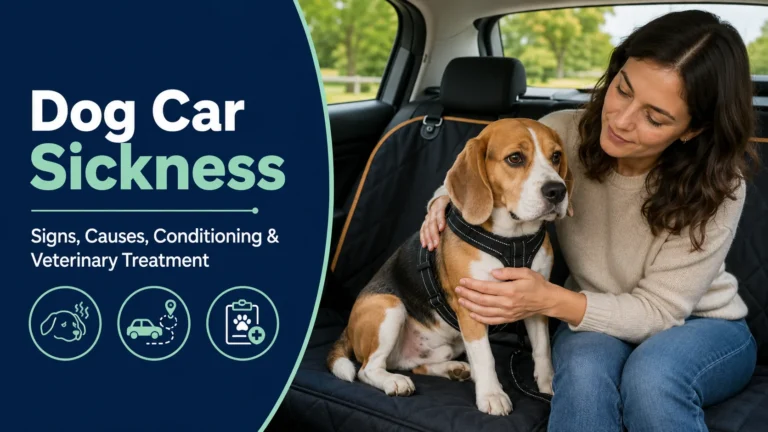
Dog Car Sickness: Signs, Causes, Conditioning, and Veterinary Treatment
Quick answer: Dog car sickness can cause drooling, lip licking, yawning, whining, restlessness, nausea, vomiting, diarrhea, or poor appetite after travel. Fear may occur […]
Quick answer: Dog car sickness can cause drooling, lip licking, yawning, whining, restlessness, nausea, vomiting, diarrhea, or poor appetite after travel. Fear may occur […]

Quick answer: Teach one behavior at a time in a quiet place. First produce the behavior with a lure, capture, or shaping; mark the […]

Quick answer: A clicker is an event marker: it tells the dog exactly which behavior earned reinforcement. First pair one click with one reward […]
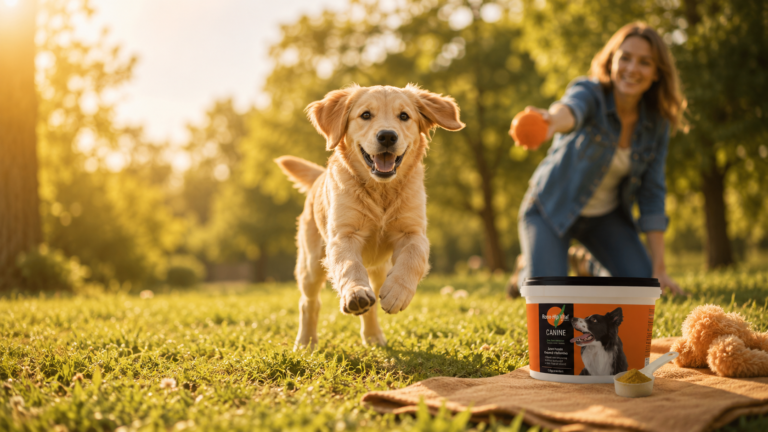
Most owners do not start thinking about their dog’s joints until the dog is old, or until a limp shows up after a big […]

Quick answer: Prevent jumping from earning attention and teach an alternative that can earn greeting. Use a gate, lead, or distance before the person […]

Quick answer: Effective dog training makes desired behavior easy, marks the exact correct moment, and follows it with a reward the dog values. Begin […]

Quick answer: Most weaned puppies are fed three meals daily until about 6 months and two meals daily from 6–12 months; some toy puppies […]

Quick answer: A typical puppy series begins around 6–8 weeks with a core combination vaccine and repeats every 2–4 weeks until the puppy is […]

Quick answer: During the first week, keep the puppy’s world predictable: use the familiar food, schedule a veterinary check, limit access to one puppy-proofed […]

Quick answer: Socialization is the process of helping a puppy form safe, positive or neutral associations with people, animals, handling, sounds, surfaces, places, and […]
Get practical dog-care tips and new guides in your inbox.